Another Record-Breaking Year for Nebraska Wildlife
Since the Baldwin Wildlife Center opened in 2021, we’ve seen a steady rise in the number of injured, ill, and orphaned wild animals arriving in need of specialized care. Last year, much of that increase was driven by several extreme weather events that coincided with peak nesting season for squirrels, cottontail rabbits, and songbirds. At the same time, growing awareness of our services continues to expand our reach every year. Never before has Nebraska had such an accessible, centrally located hub equipped to receive wildlife in distress, or an organization with the tools, expertise, and resources to successfully collaborate with wildlife partners across the state.
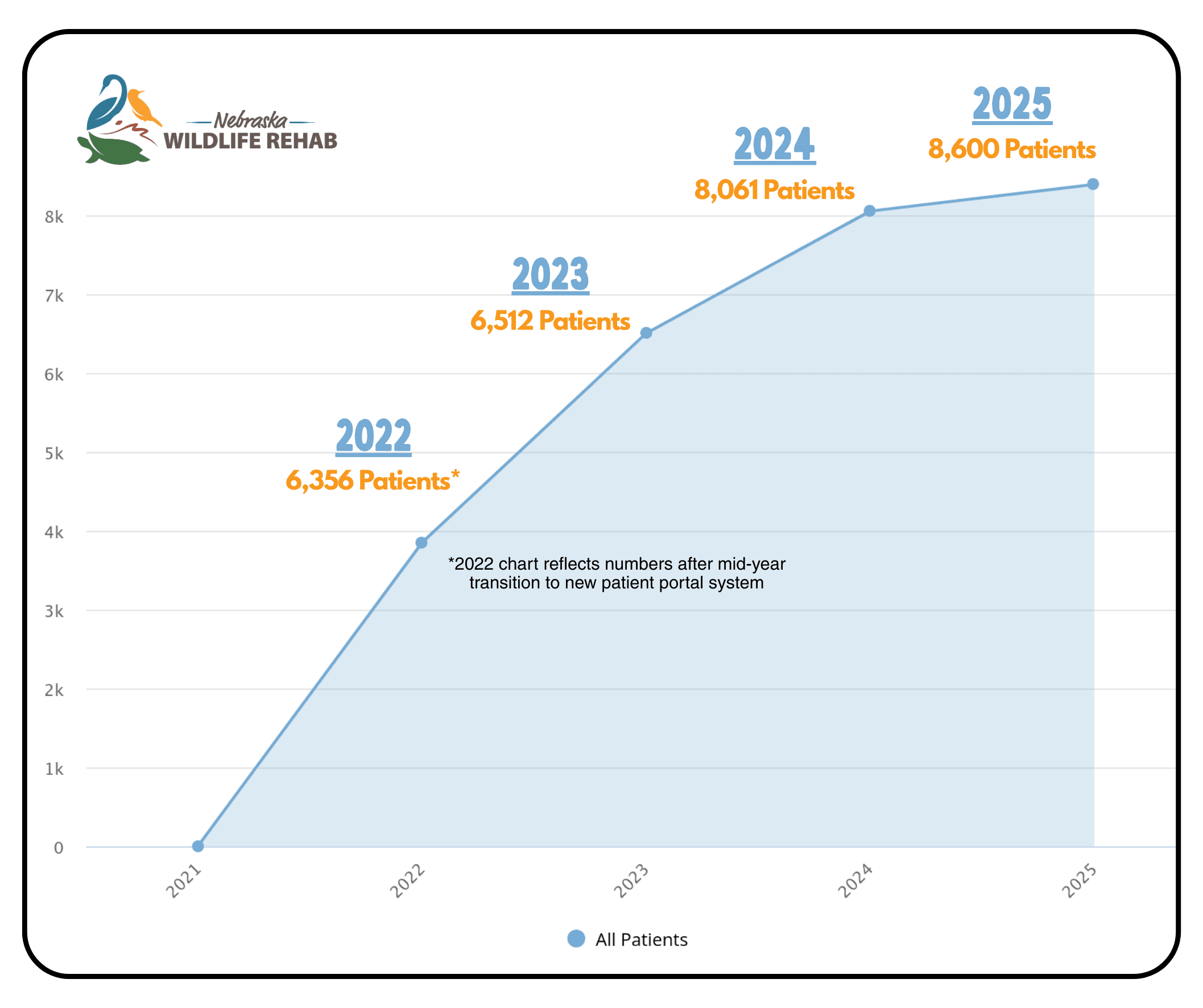
As we close out the year with more than 8,600 animals admitted, it’s clear the need for wildlife rehabilitation continues to grow. And although we could spend days enthralled by the statistics, it's the stories that keep us connected to the animals, the people who rescue them, and the mission behind every admission. What follows is a look back at some of the highlights that made 2025 a year to remember.
Cake Bandit Opossum
One of our earliest patients this year was a Virginia opossum that captured global attention after devouring an entire Costco chocolate cake, appearing in headlines on CNN, The Washington Post, Forbes Magazine, a segment on The Late Show with Stephen Colbert, and countless other news sources. After arriving at the Baldwin Wildlife Center for emergency care, our veterinary team learned this opossum was struggling from an unrelated case of lead toxicity in addition to the consequences of eating an entire chocolate cake.
As the story spread, so did the support! To celebrate the sweet scandal, and turn an unexpected moment into meaningful impact, we launched Cake Bandit t-shirts just in time for Valentine’s Day. Every shirt sold helped raise critical funds for patient care, food, medical supplies, and rehabilitation at NWR. What began as a mischievous midnight snack transformed into an international show of love for wildlife!
Behind the scenes, our team closely monitored her progress with supportive care and medical treatment, adjusting her diet and ensuring she returned to a healthy weight and normal opossum behaviors. By spring, she made a full recovery and the once-infamous Cake Bandit was released back to her home territory, where she could resume life on her own terms (minus the chocolate desserts).
Baby Season
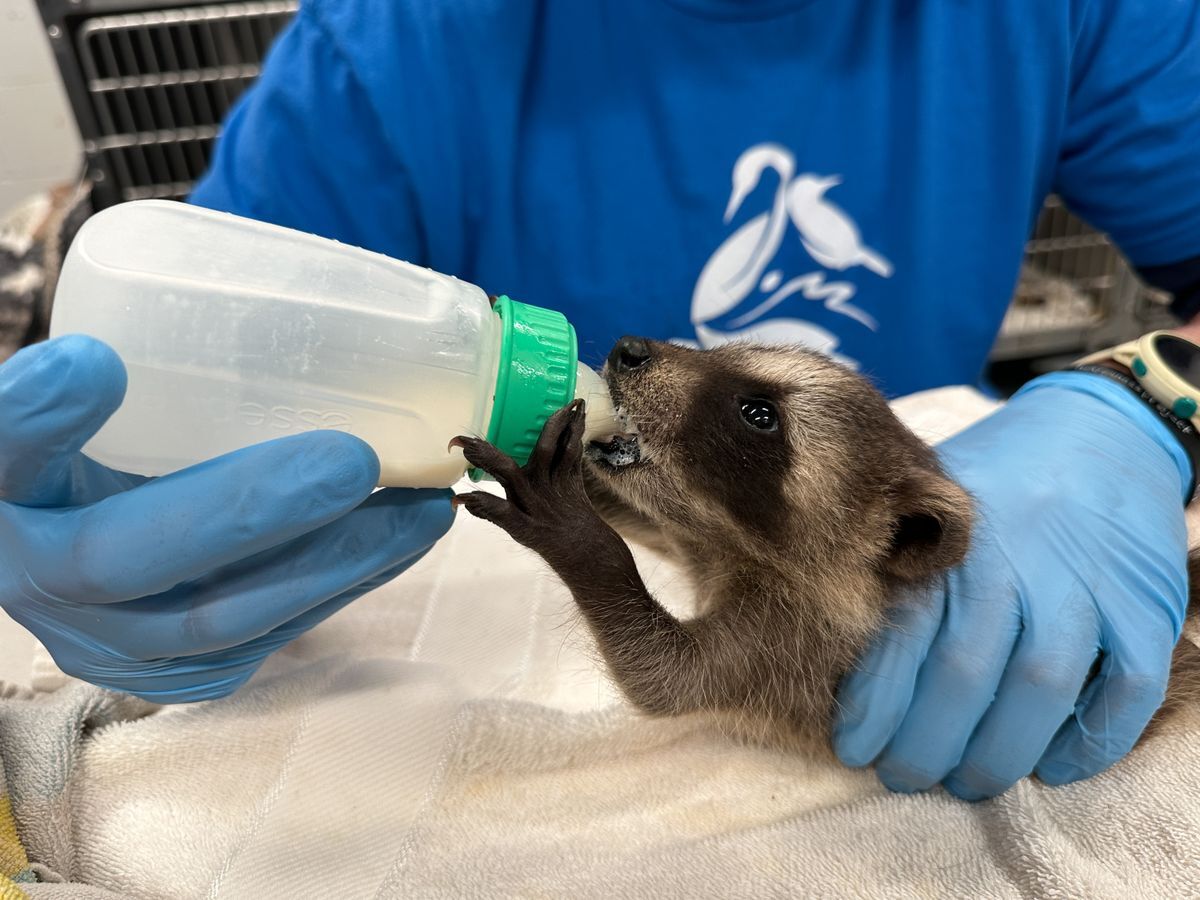


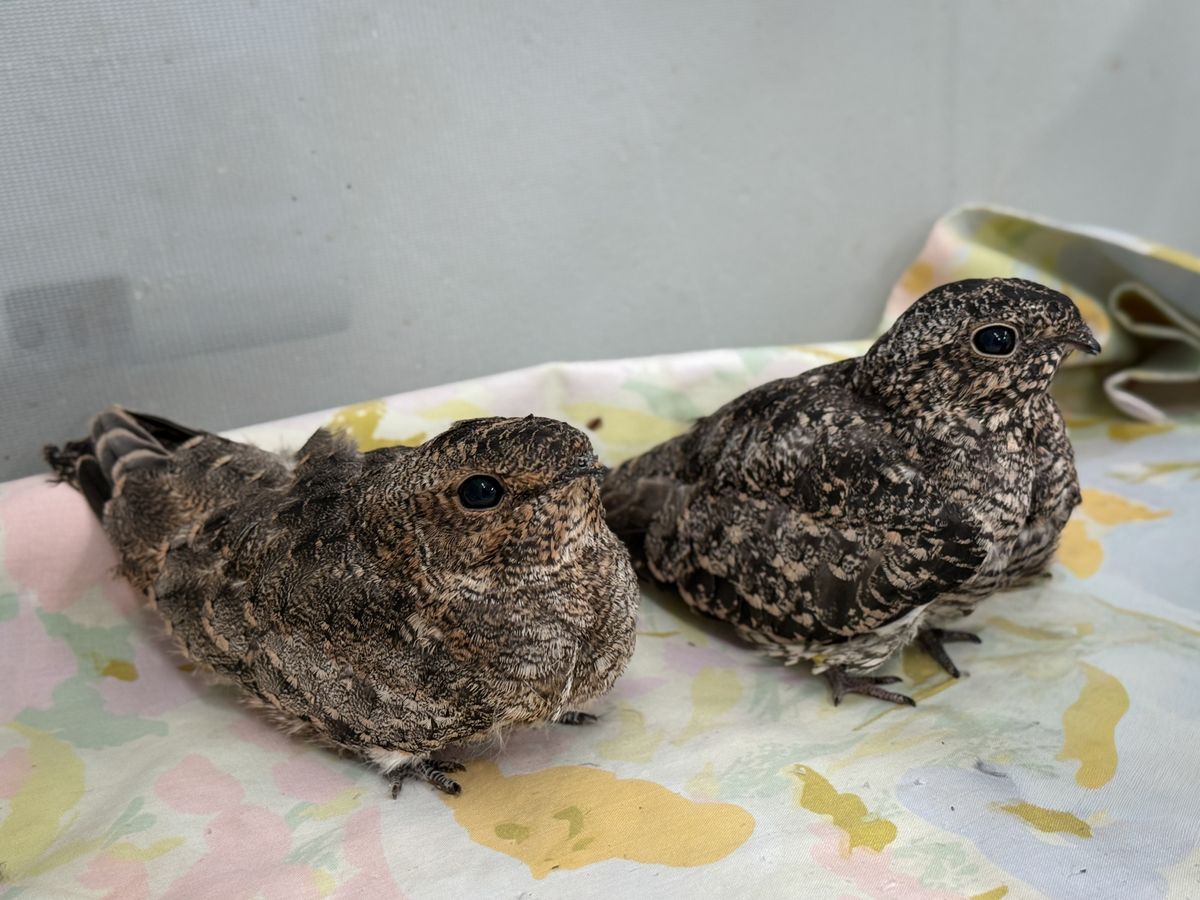
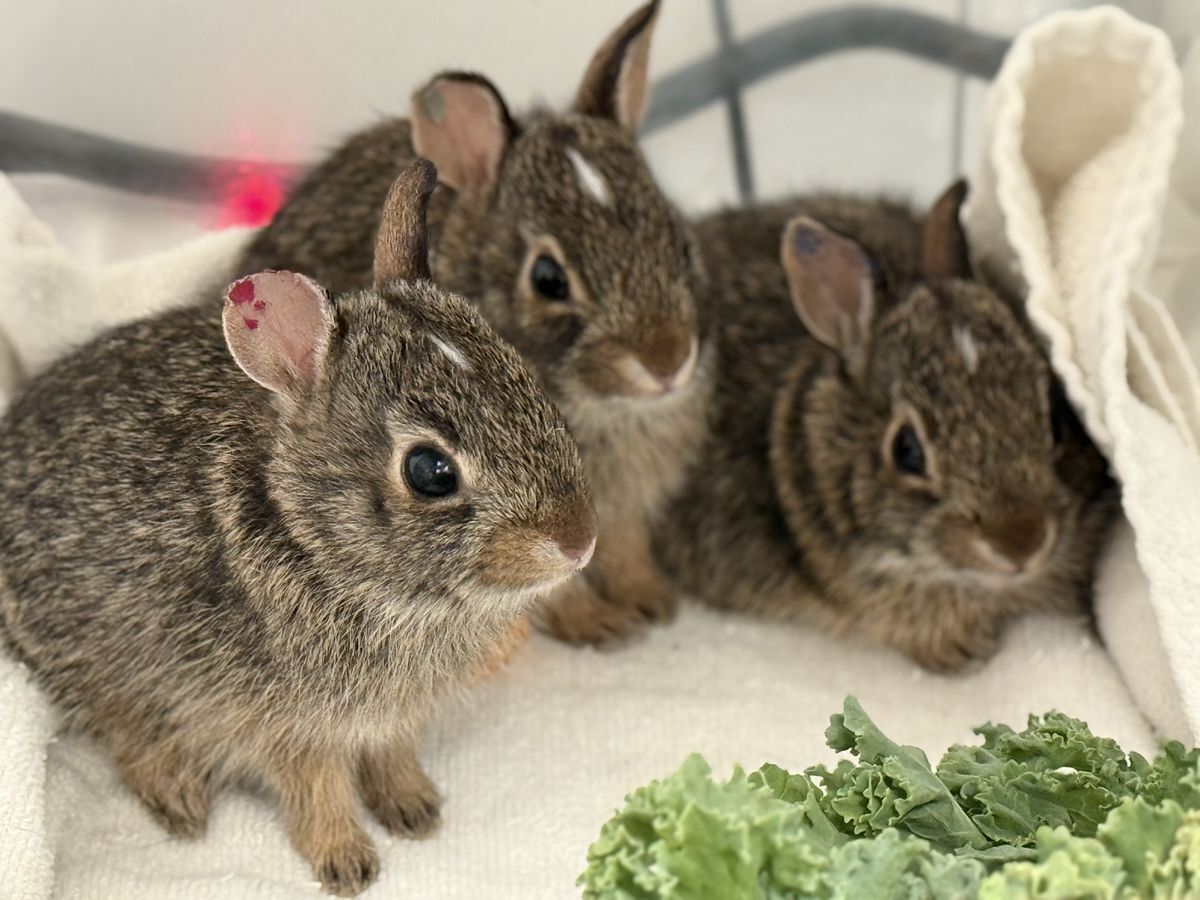
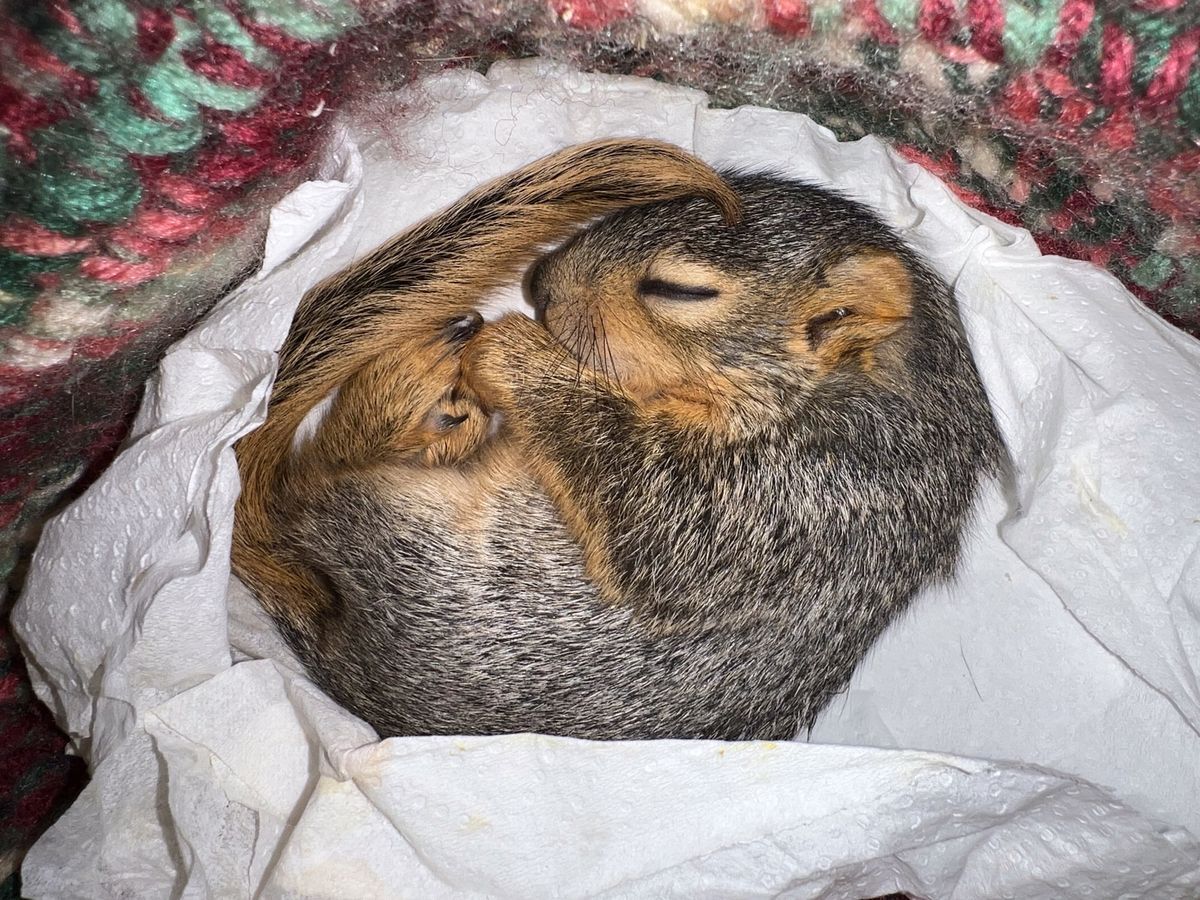
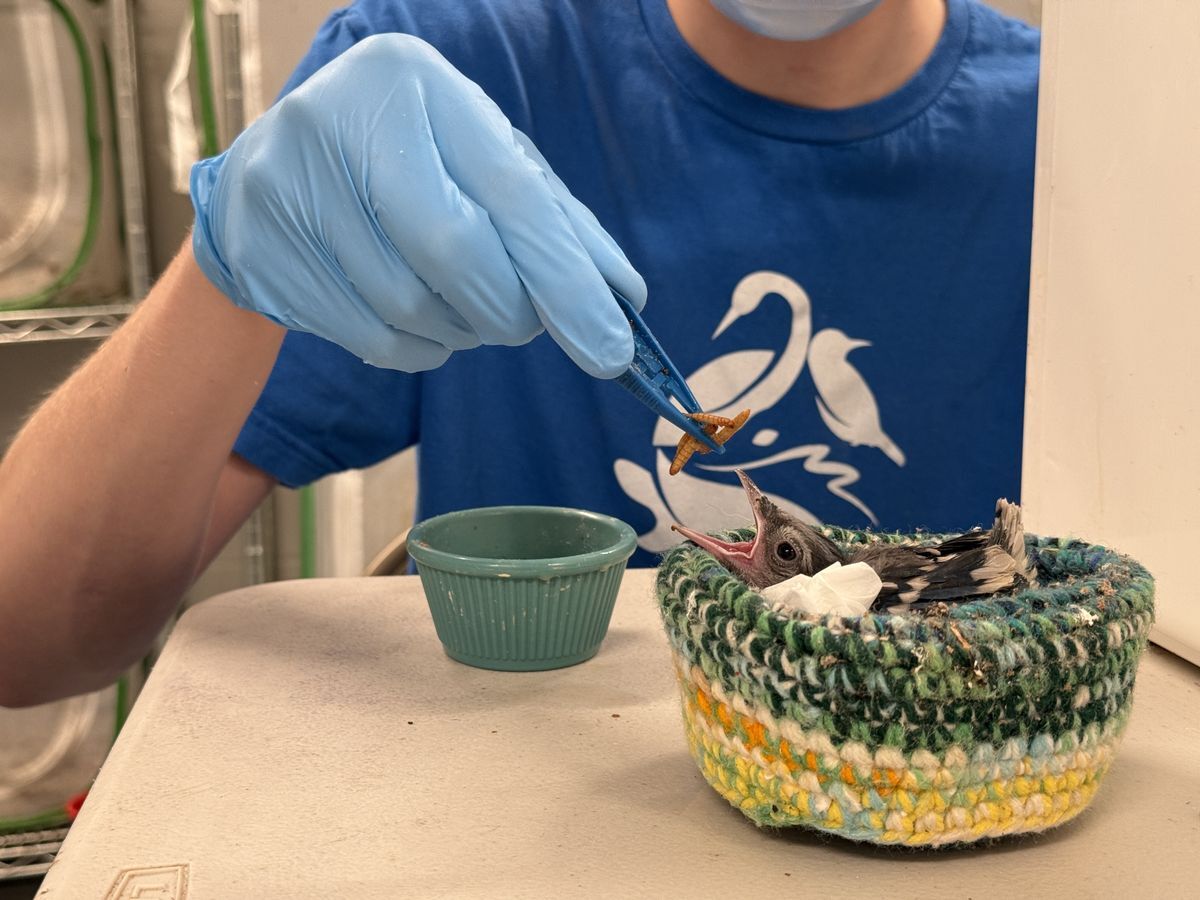
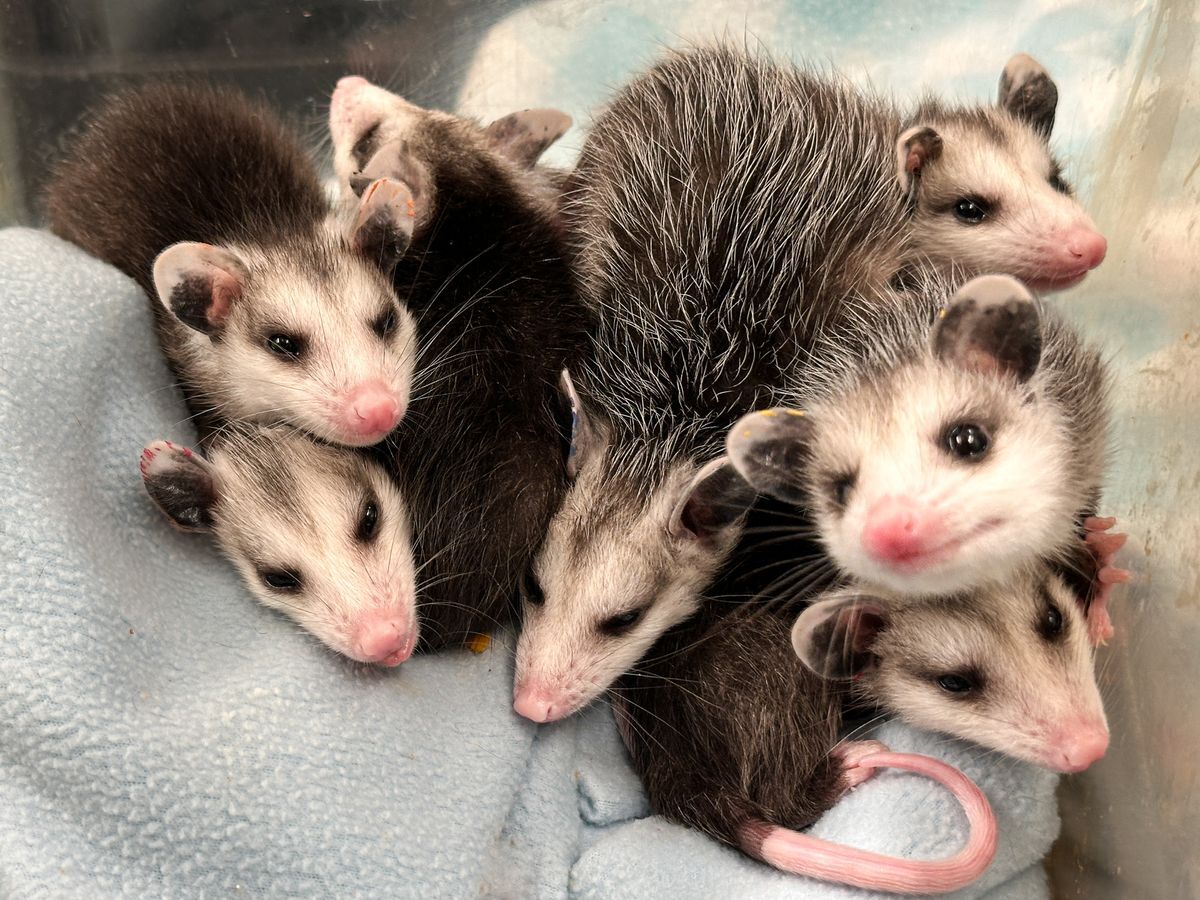
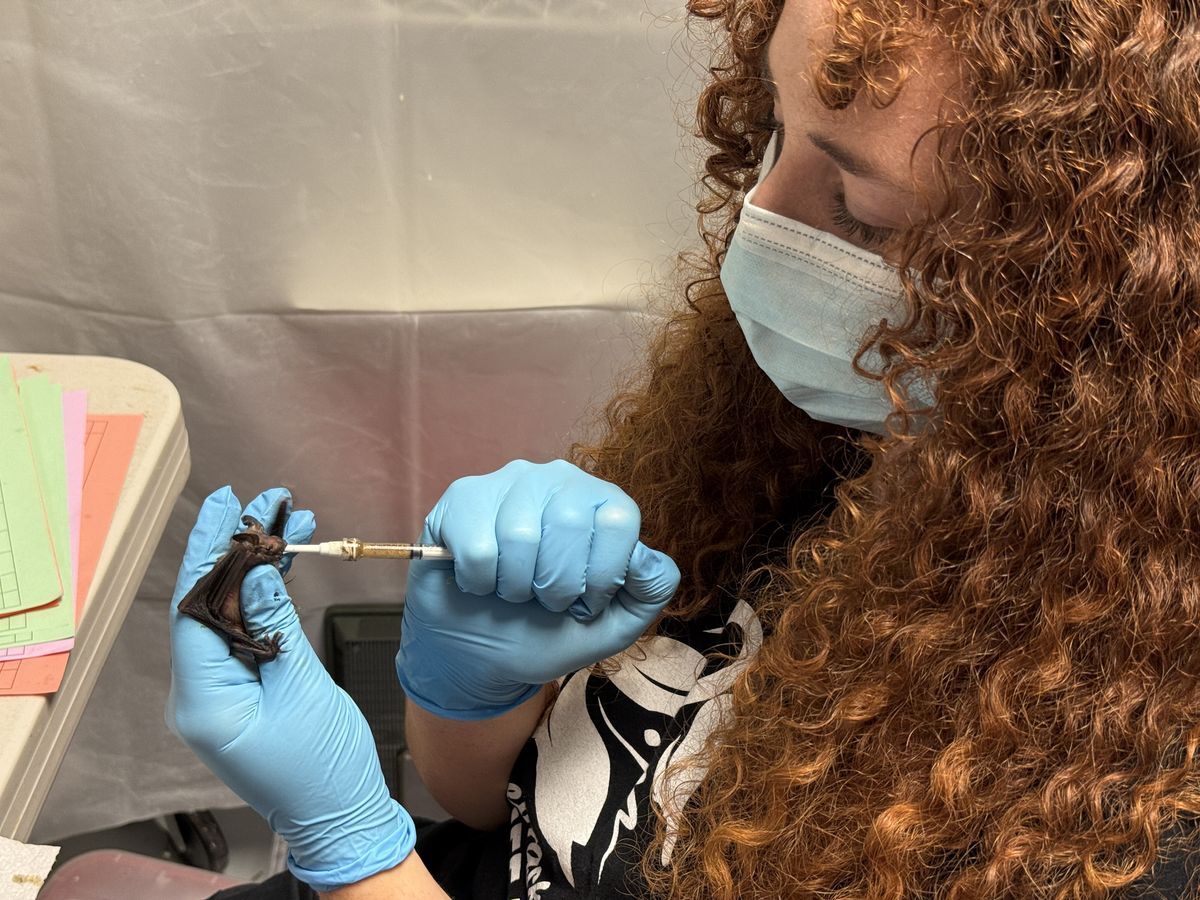
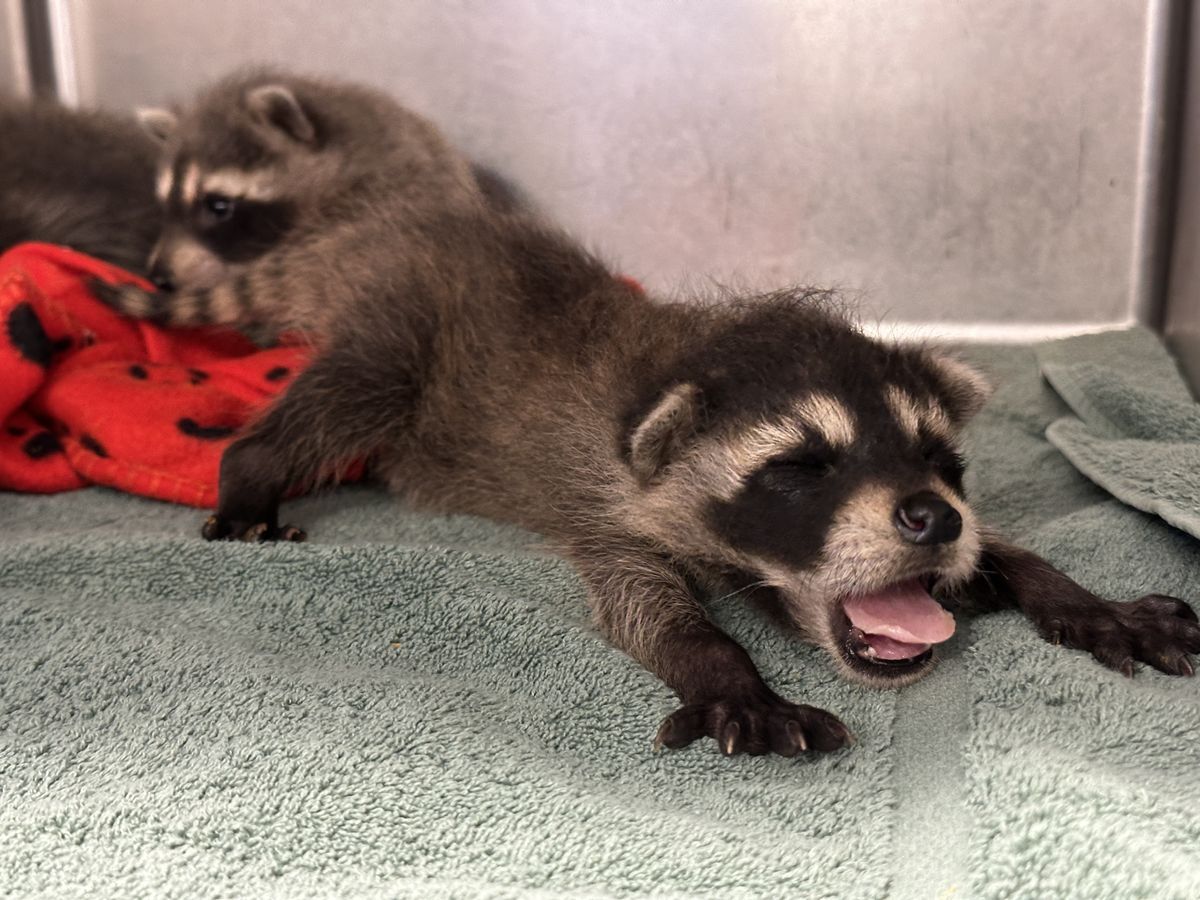
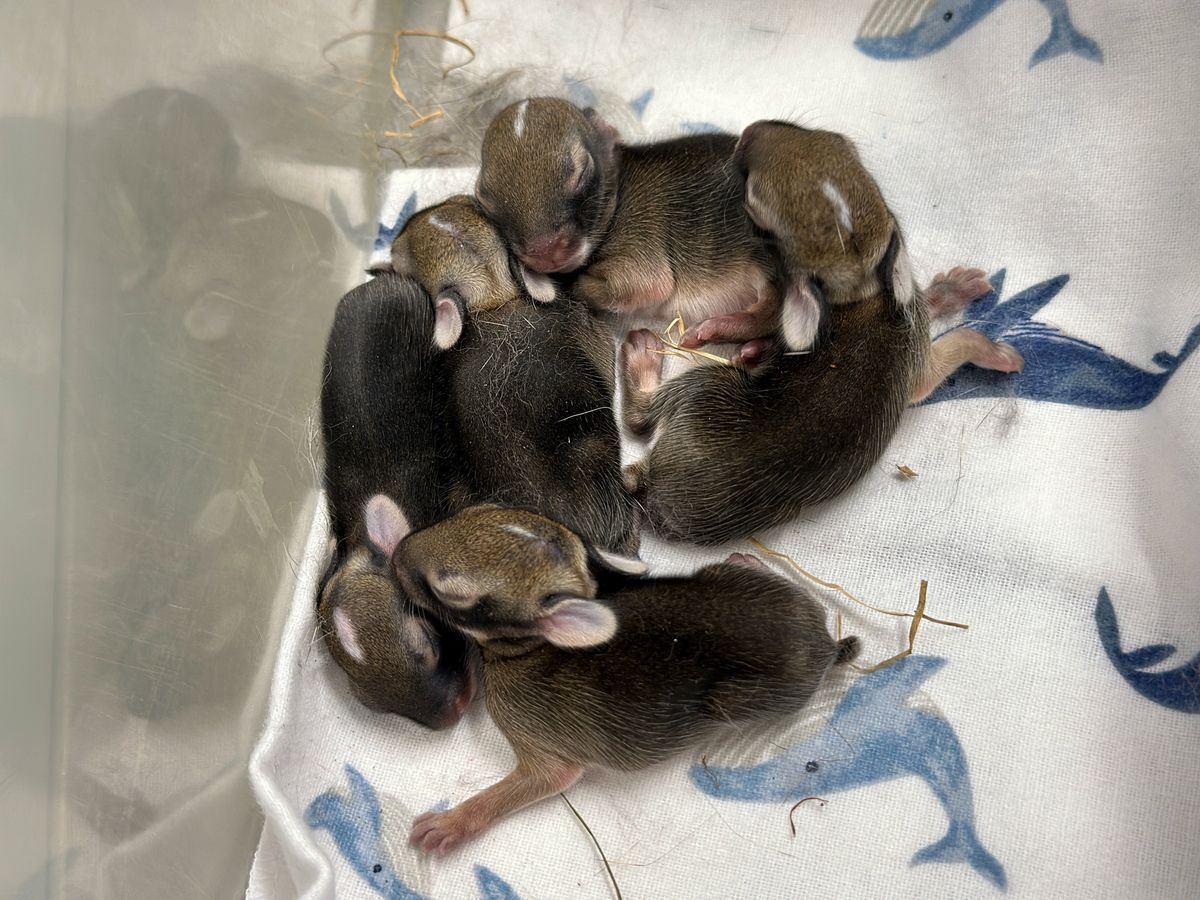
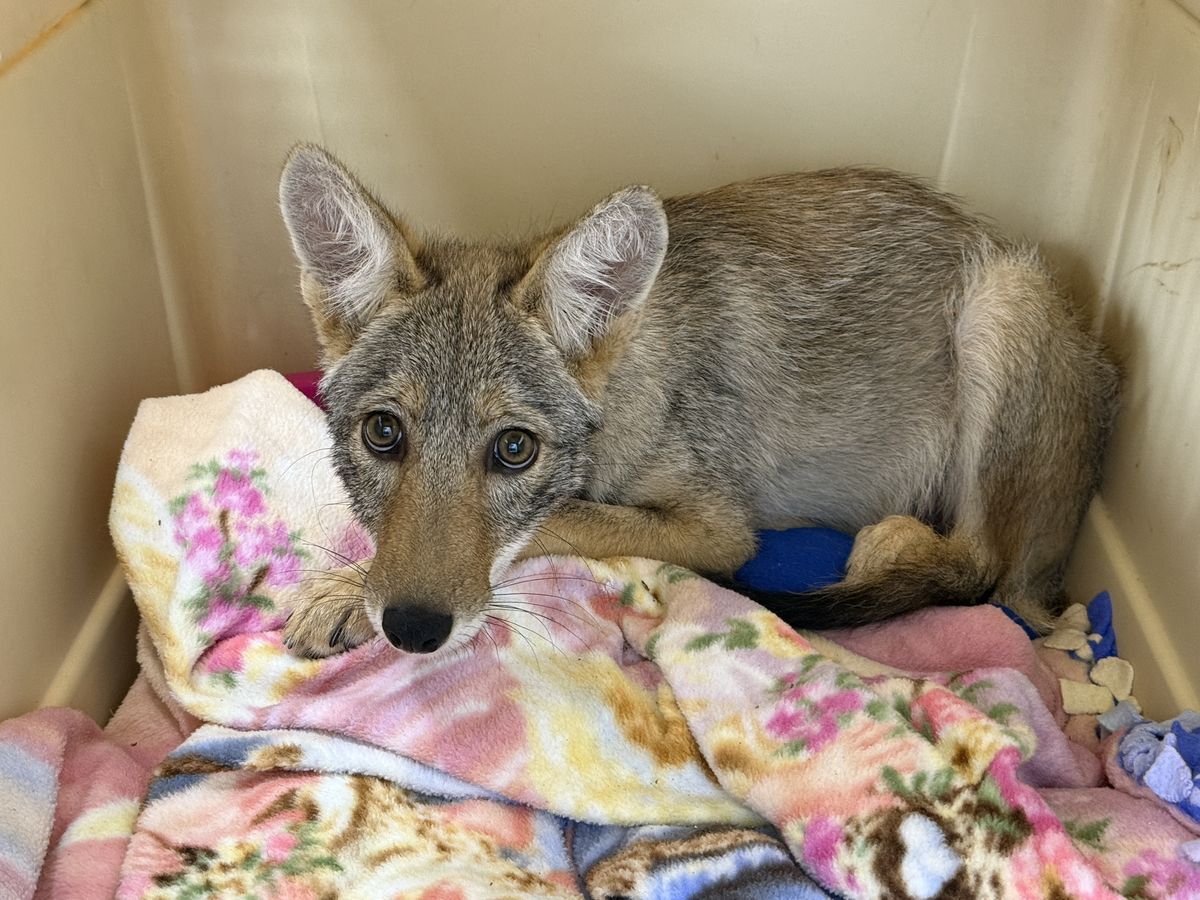
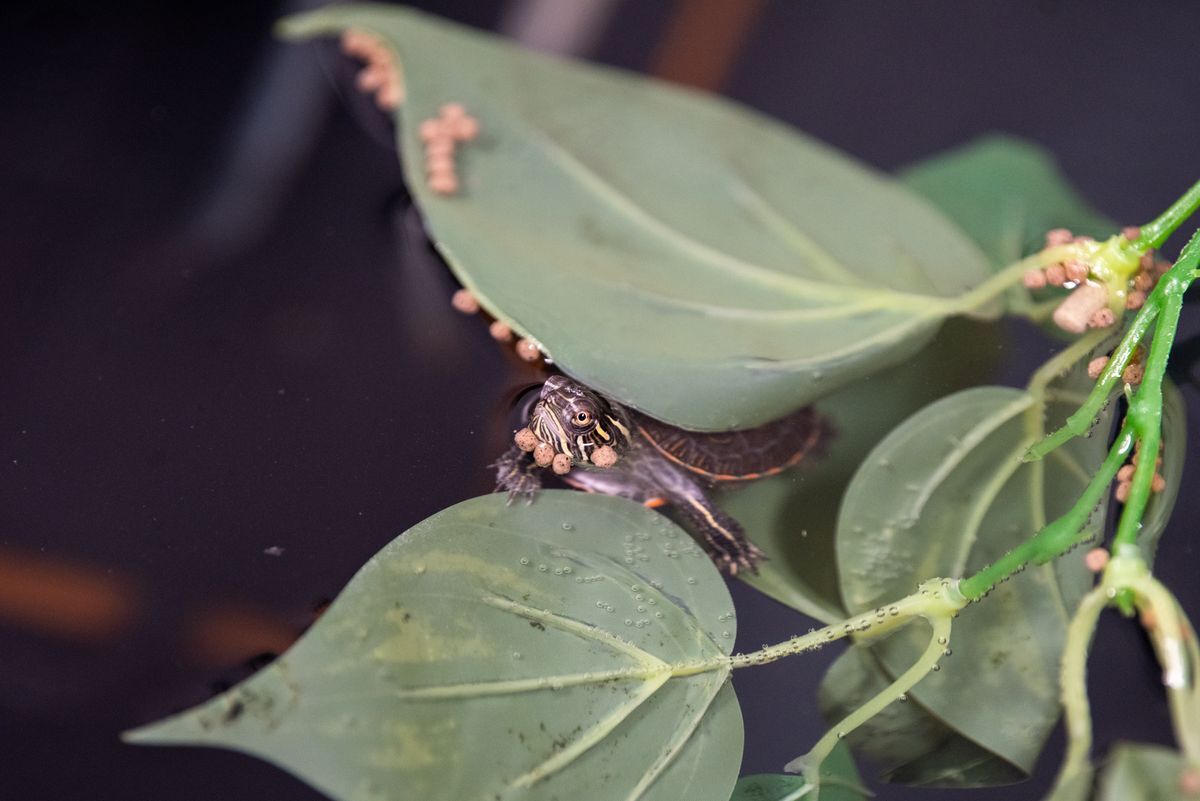
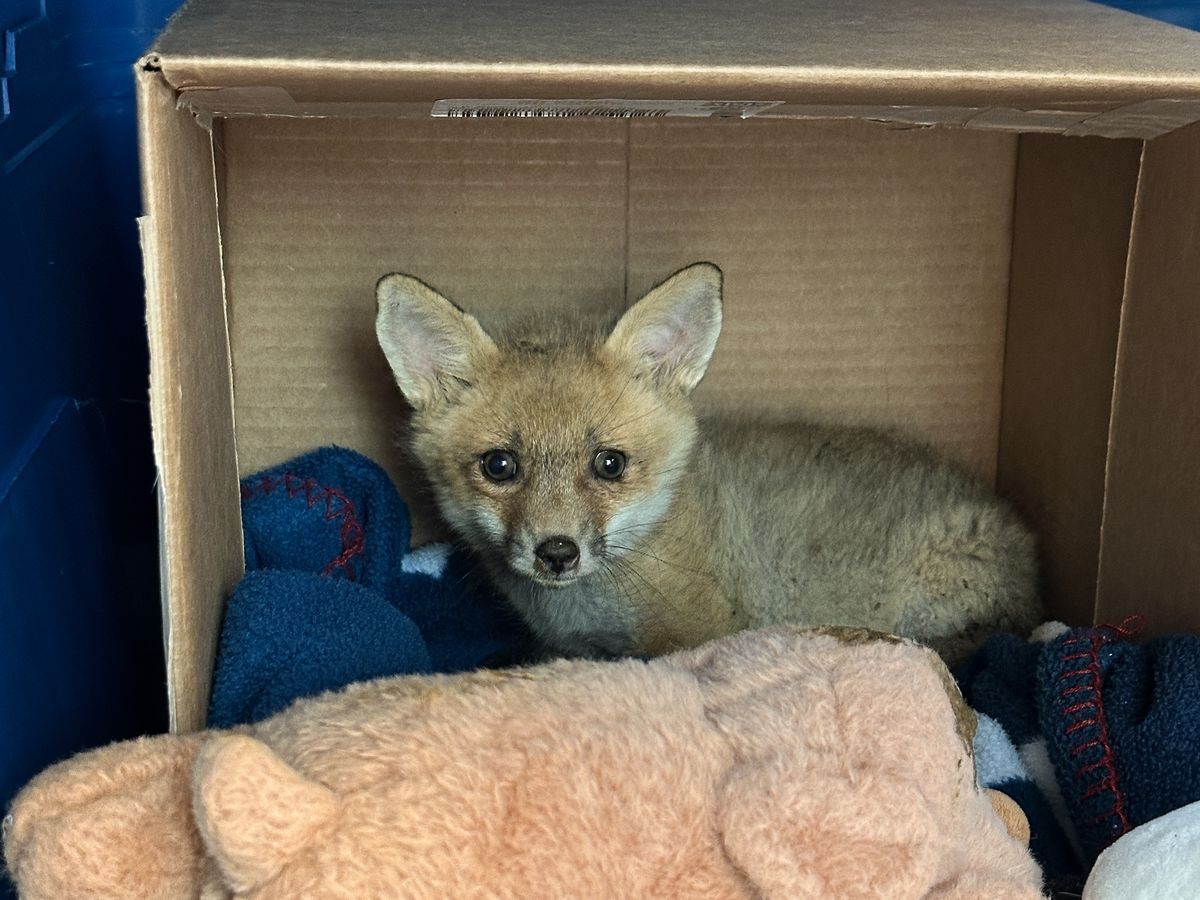
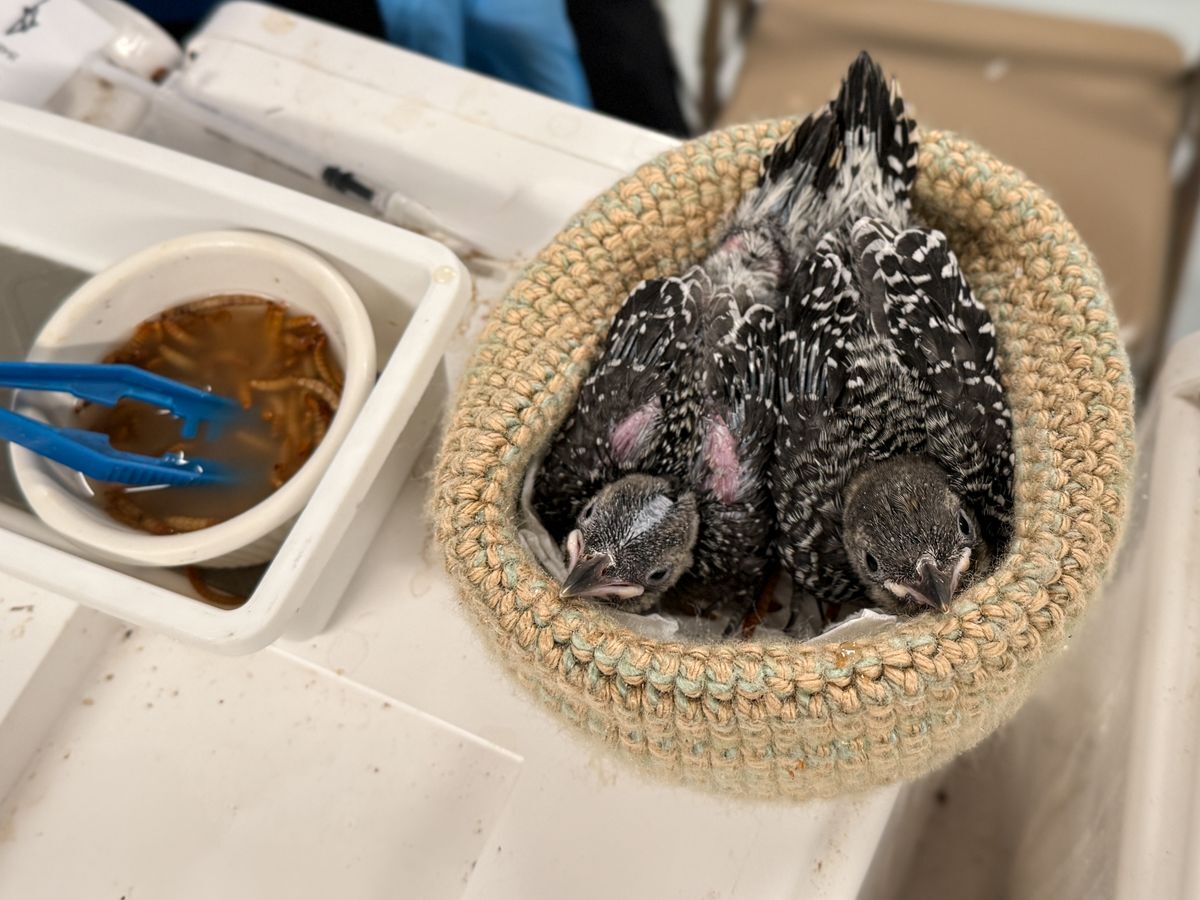
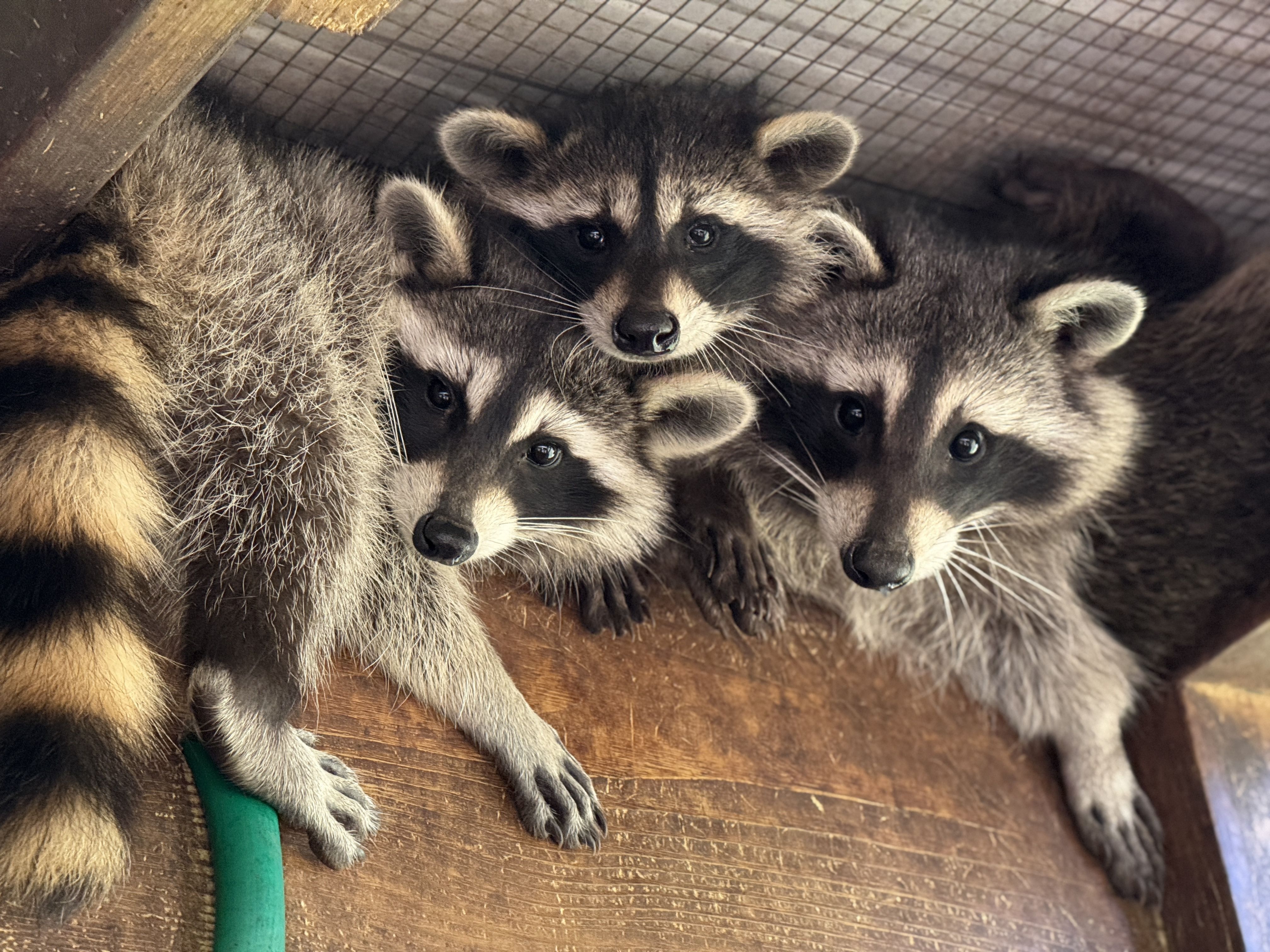
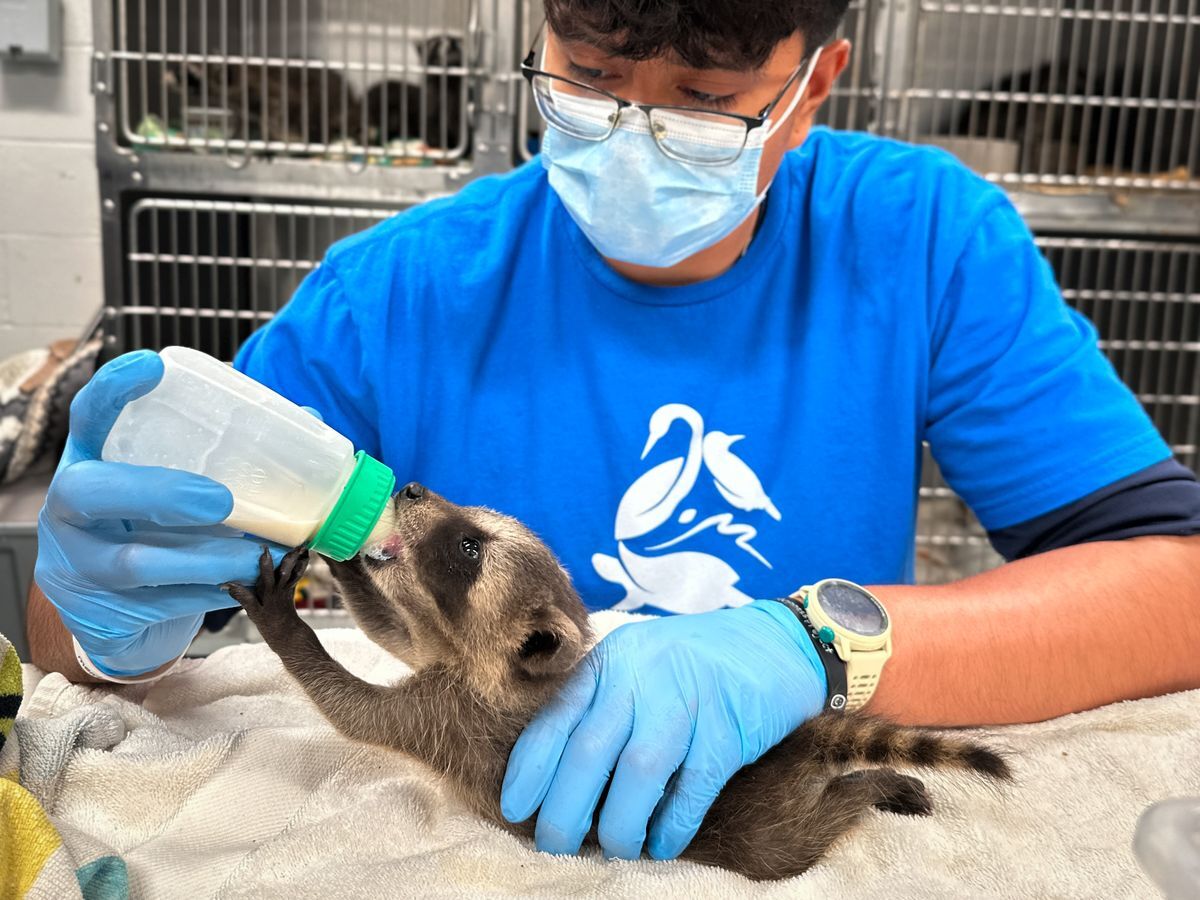
Displaced and orphaned baby animals account for roughly 2/3 of our annual caseload - and this year was no exception! In fact, 82.5% of our annual caseload arrived in the six months between March and August. That includes baby animals like cottontail rabbits, ducklings, fox squirrels, bats, raccoons, songbird nestlings, turtles, and fox kits which fill nearly every nursery at the Baldwin Wildlife Center. Staff, volunteers & interns stayed busy with round-the-clock feedings, medical rechecks, cleaning and every step of care that provides each little one the best possible chance for a fresh start at life.
Record Number of Orphaned Woodchucks Admitted
This year at NWR we admitted a record number of 21 orphaned and displaced baby woodchucks - also known as groundhogs or whistlepigs - marking an unusually busy season for this species! Woodchucks are solitary, burrowing rodents that give birth once a year, typically in early to mid-spring. Young woodchucks remain hidden in the den for several weeks before emerging to explore their surroundings. This is also when they’re most vulnerable, and many of the babies in our care were orphaned after their dens were destroyed by flash flooding, human interference, or a fatally injured mother. Despite a rough start to life, these youngsters thrived in rehab and made their way back to the wild.
Record Number of Opossums Admitted
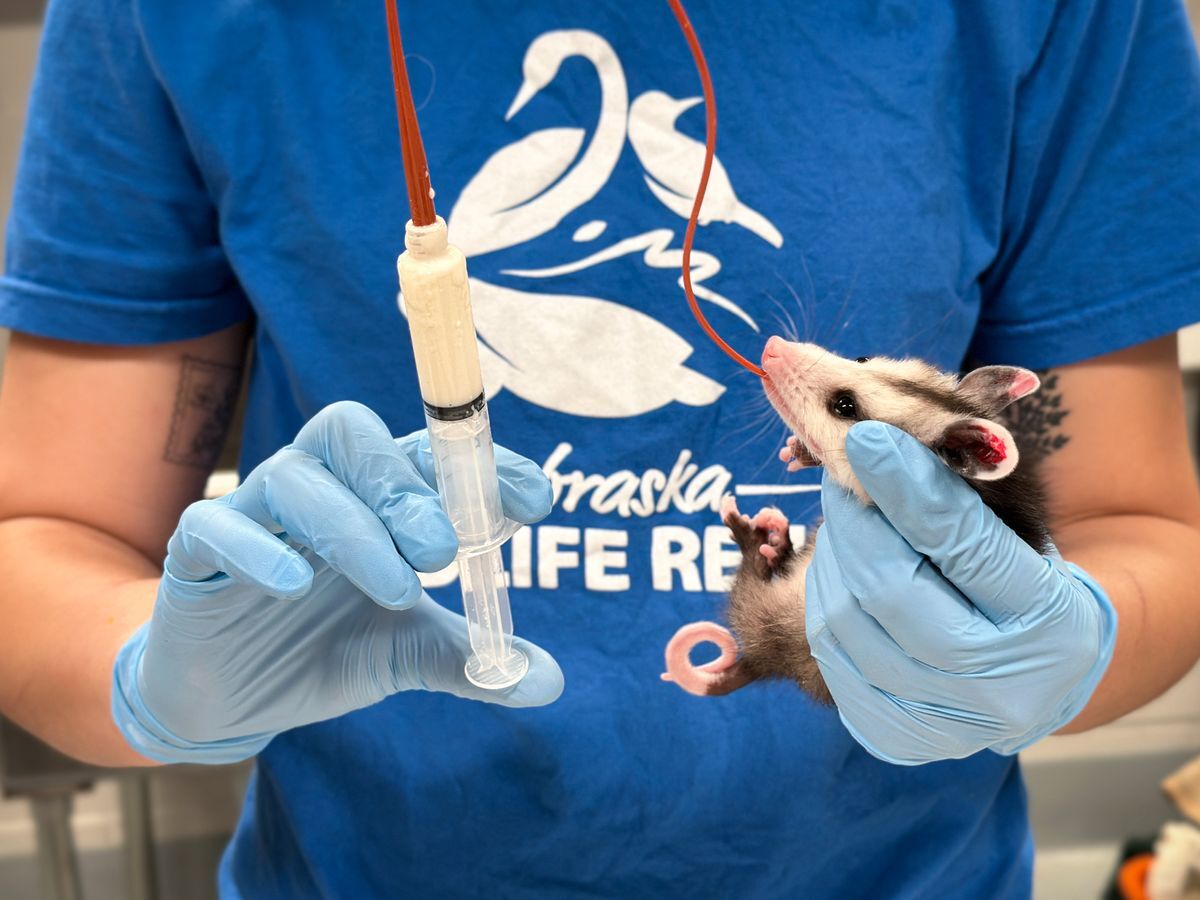
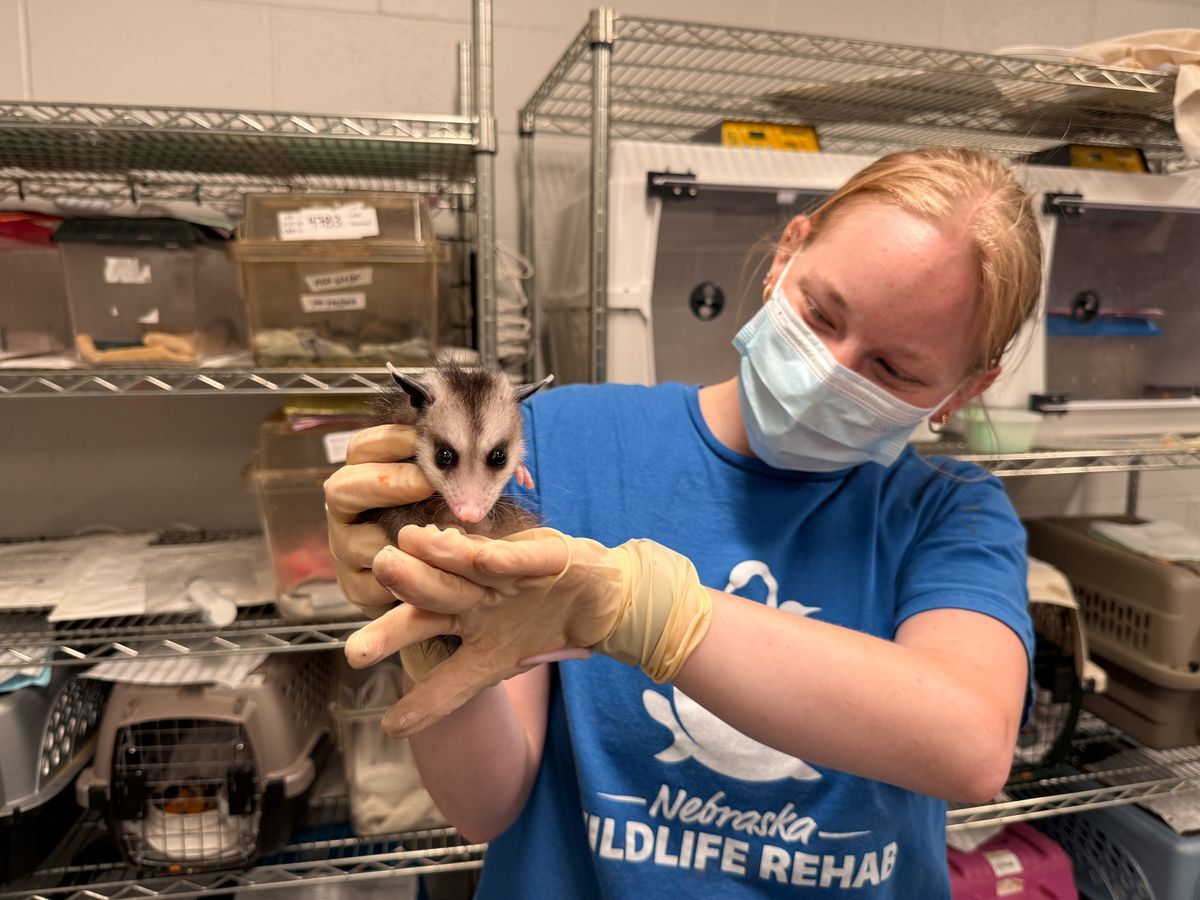
This year we admitted over 950 Virginia opossums - a notable increase from the 740 we cared for in 2024. As Nebraska's only marsupial, opossums are one of the most unique species we receive at NWR. Most arrive as orphans when their mothers are hit by cars or otherwise injured. Without intervention, these young opossums would not survive, but with expert care and community support, many are able to make it back to the wild where they belong.
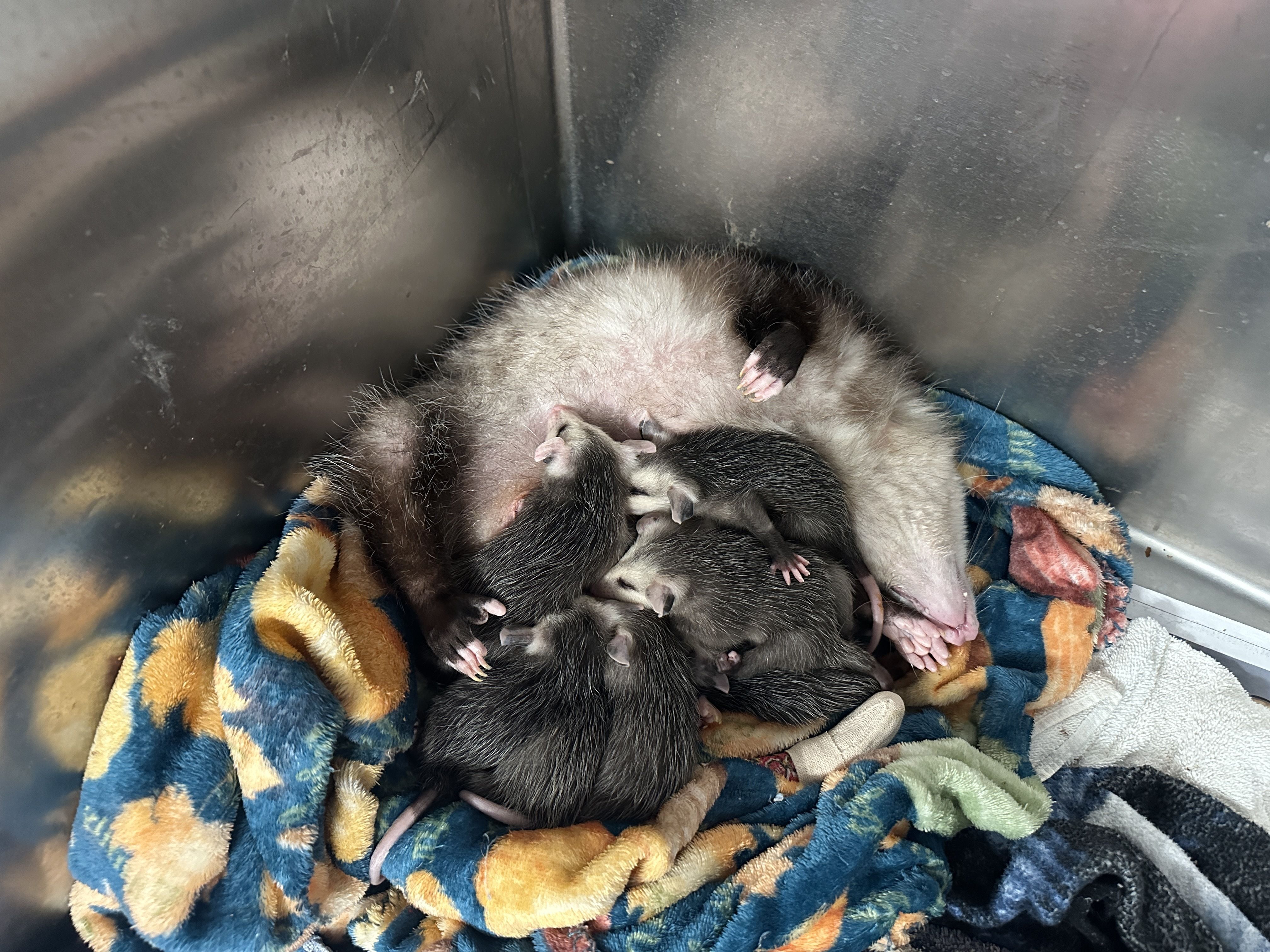
A significant number of opossum mothers admitted into our care this year were treated for lead poisoning, a life-threatening medical condition that can be passed along to offspring through their placentas and milk. Nursing joeys can absorb lead toxins directly, which is very dangerous to their development. Only through chelation therapy and supportive care can recovery be attained.. As ground-foraging scavengers, they can ingest legacy lead that remains in roadside soils from decades of vehicle emissions, along with spent ammunition or fishing tackle, all of which leads to serious neurological and digestive damage. This growing caseload highlights both the challenges opossums face in human-dominated landscapes and the critical role our team plays in these circumstances.
Rescue Stories
Balcony-Bound Goslings Safely Relocated
These Canada Geese chose an upper-level balcony near Conagra Lake as the nesting spot for their future brood and didn't realize they were setting the stage for a dangerous dilemma. Once they hatched, these goslings faced a big challenge: reaching the ground safely to follow their parents to water. Thankfully, a caring rescuer called NWR and our team was able to relocate the entire family to the lake below where the goslings were able to take their first plunge into water alongside their parents!
Green Heron Babies Returned to Treetop Nest
Green herons build small, loosely constructed nests high in trees, where both parents take turns feeding and protecting their chicks. When two nestlings tumbled from their treetop nest in a caller’s front yard, the concerned resident knew to call NWR and volunteers were dispatched to help. After assessing the situation, our team carefully secured the young, uninjured birds and used a ladder to return them safely to their original nest. Thanks to quick action and teamwork, these youngsters were reunited with their parents just in time to enjoy a few more free meals before fledging!
Woodchuck’s High-Stakes Climb Ends Safely
Woodchucks are best known for their burrowing skills, but they’re also surprisingly strong climbers able to scale trees, fences and on rare occasions - utility poles! That unusual talent prompted a call to NWR when a concerned member of the public reported a woodchuck perched high on a power line pole in their backyard, where he had remained for multiple hours with no sign of coming down on his own. NWR volunteers Jose and Scott were dispatched to the scene and able to safely retrieve the woodchuck from his lofty predicament. A quick assessment showed no visible injuries and normal, alert behavior. With a clean bill of health, the woodchuck was released right back to his home territory!
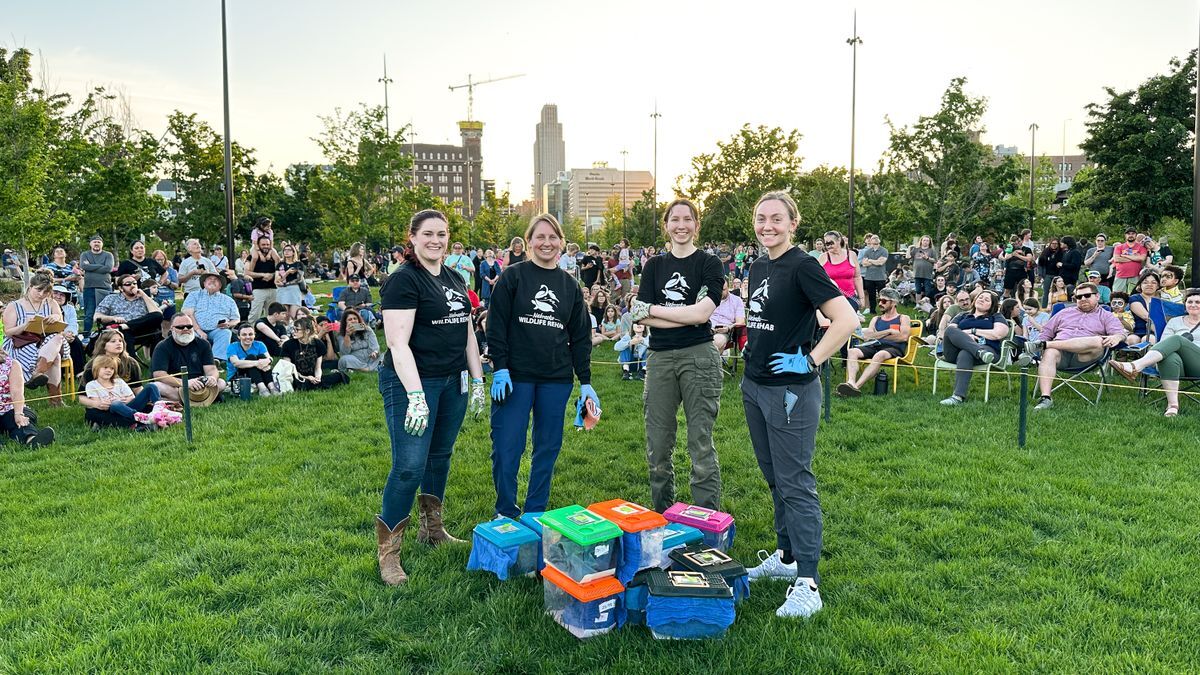
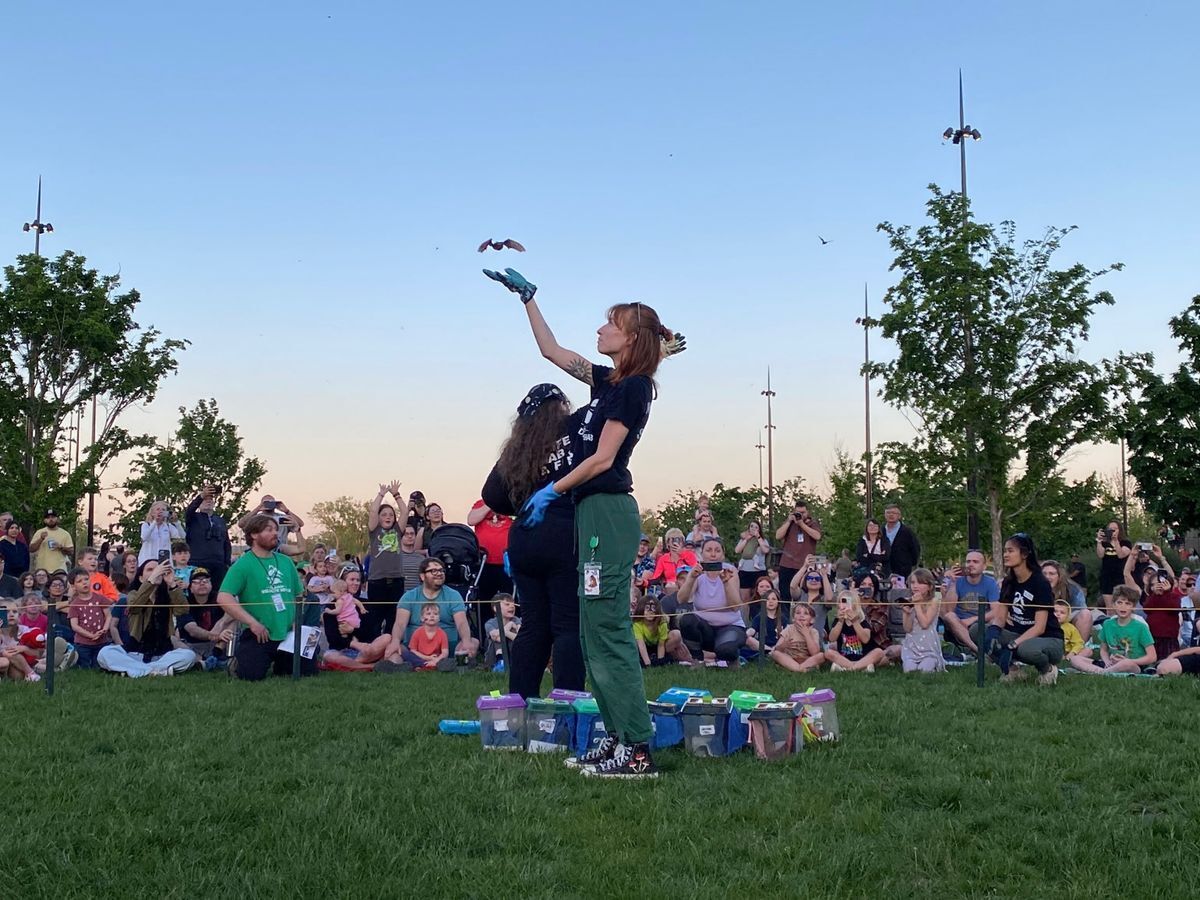

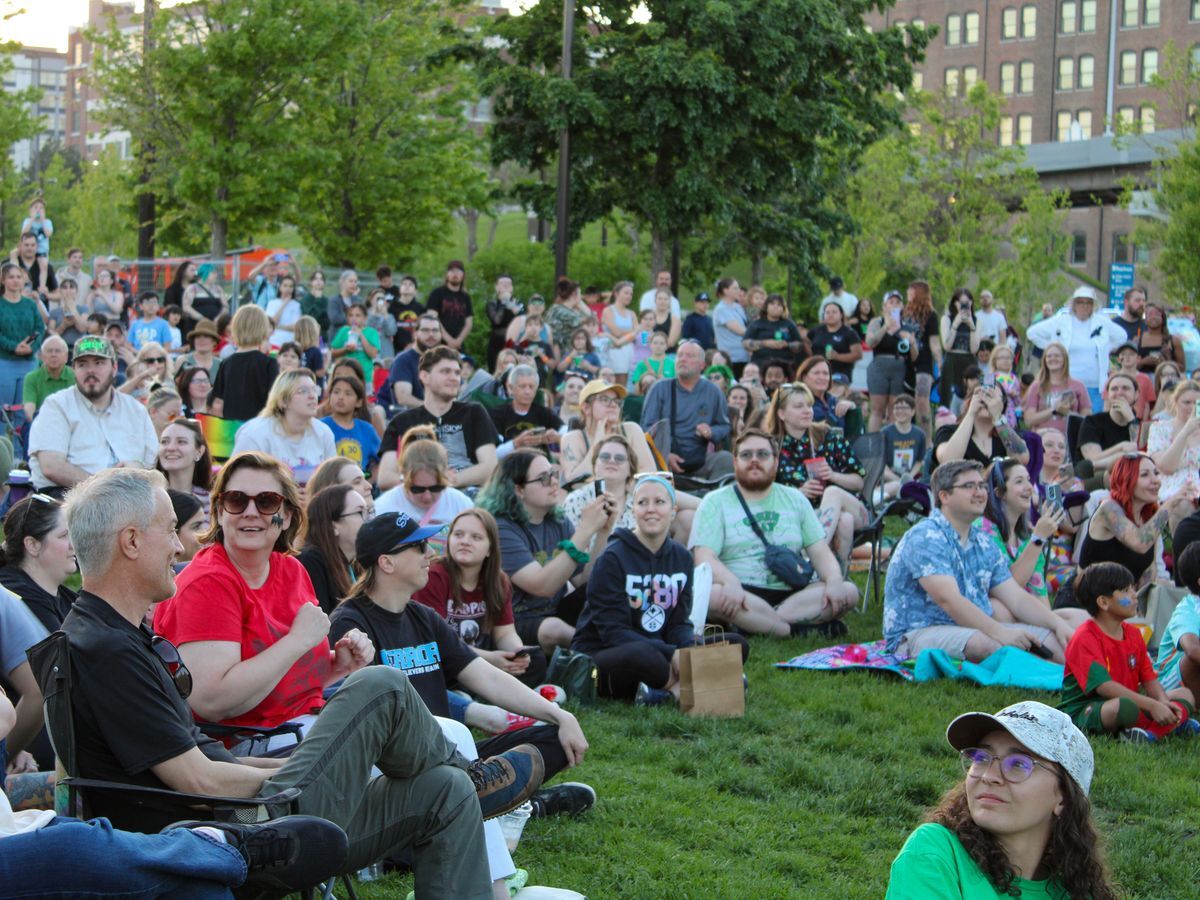
Bat Release Takes Flight at New Venue
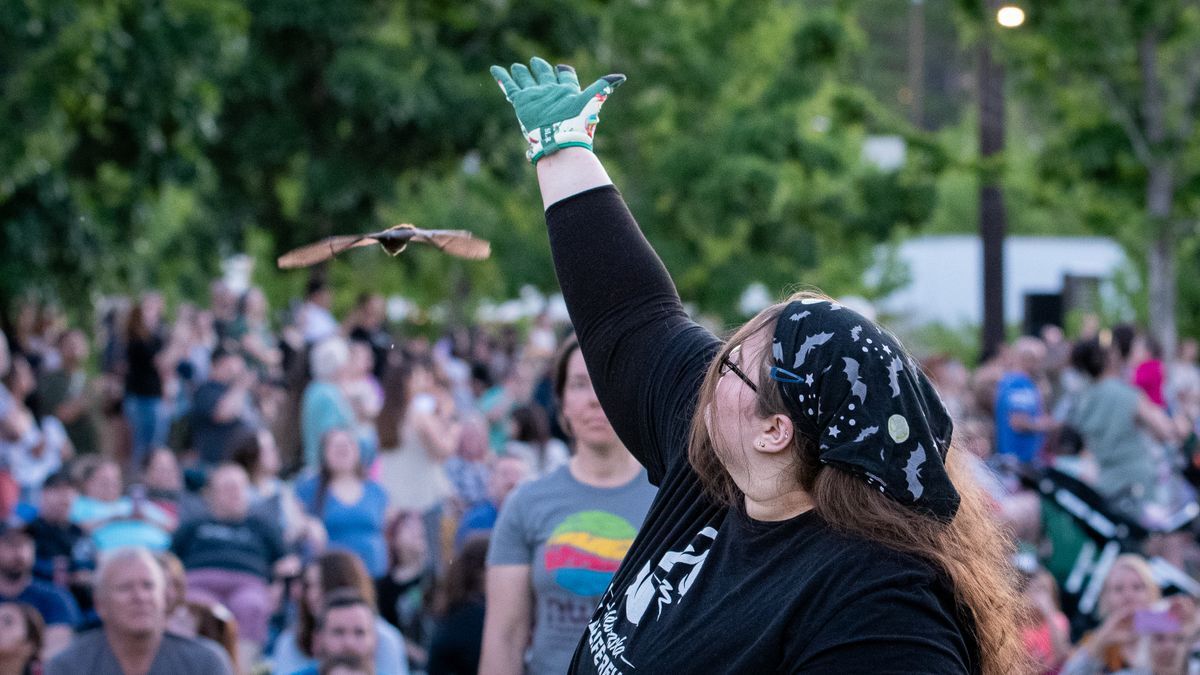
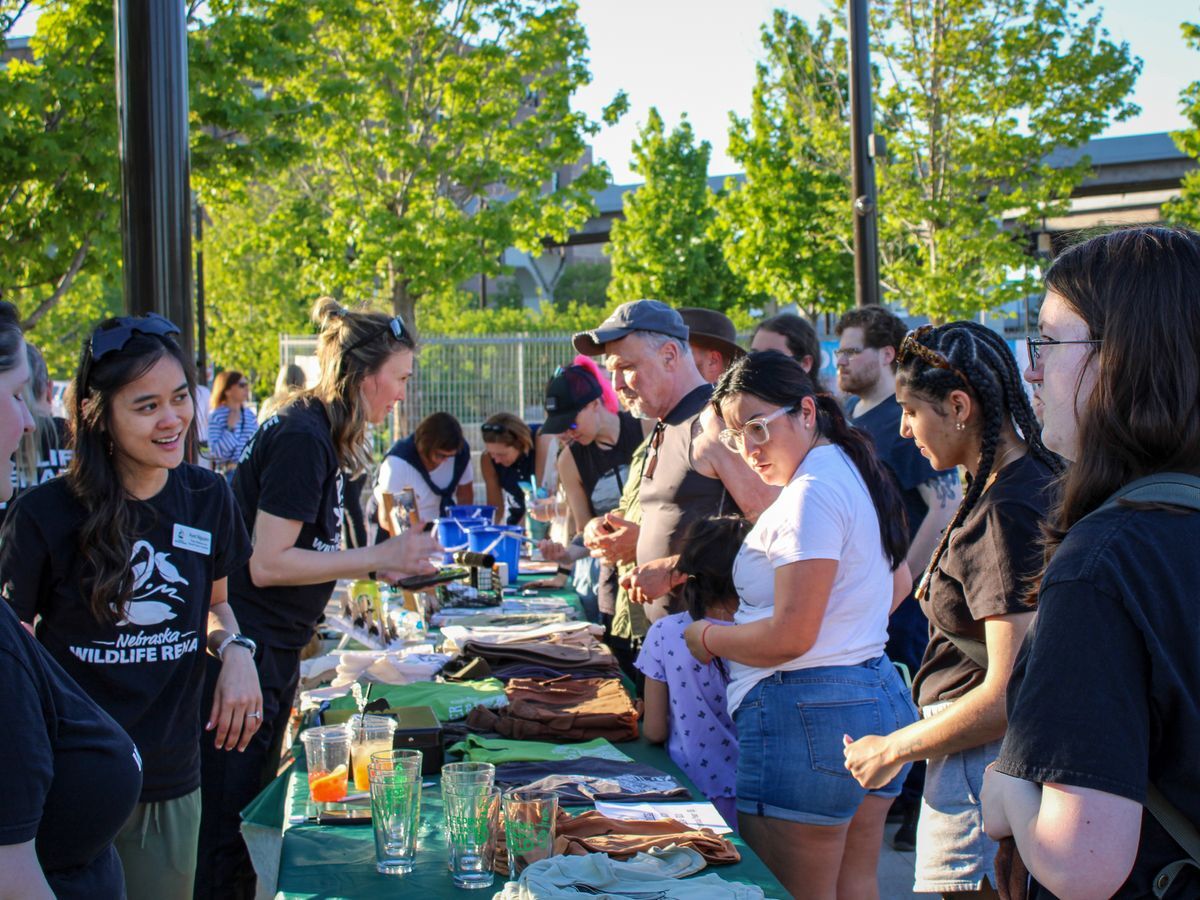
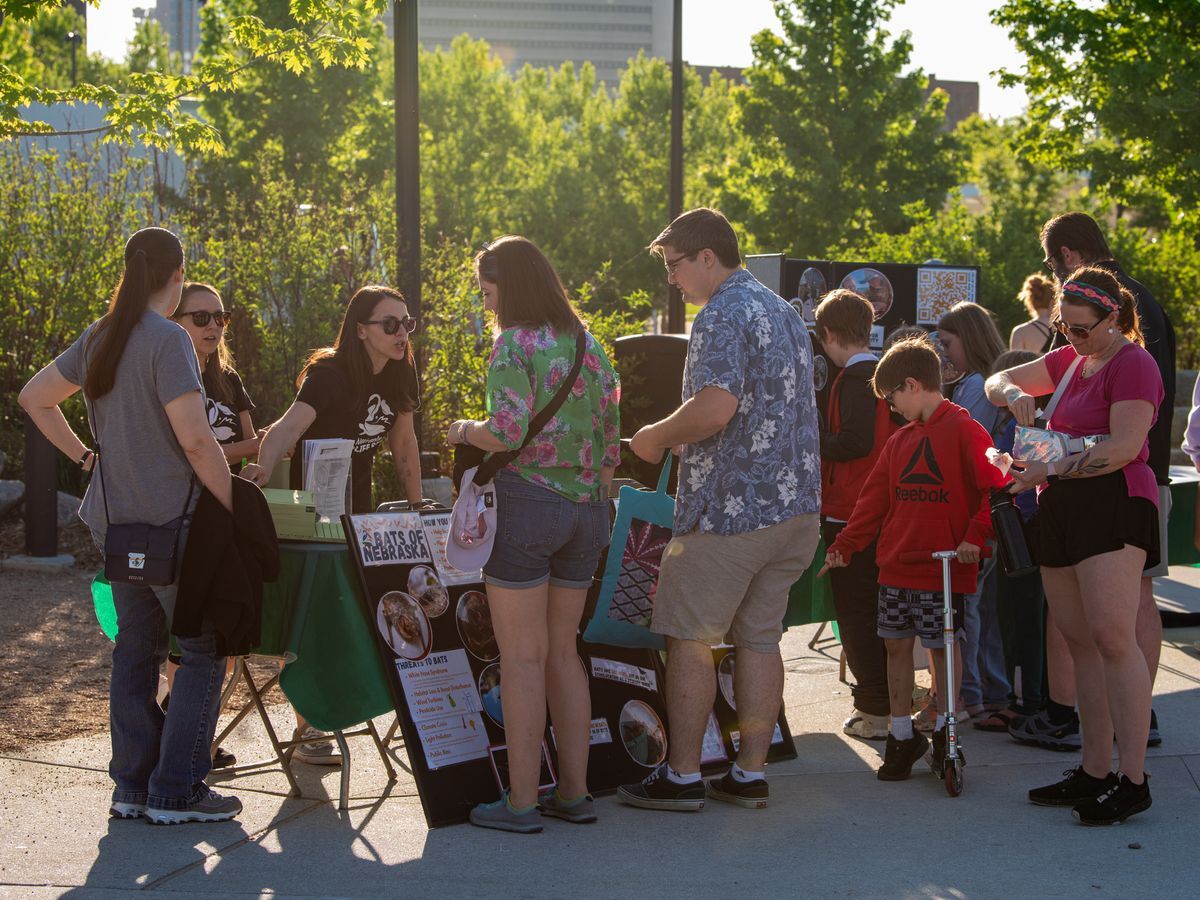
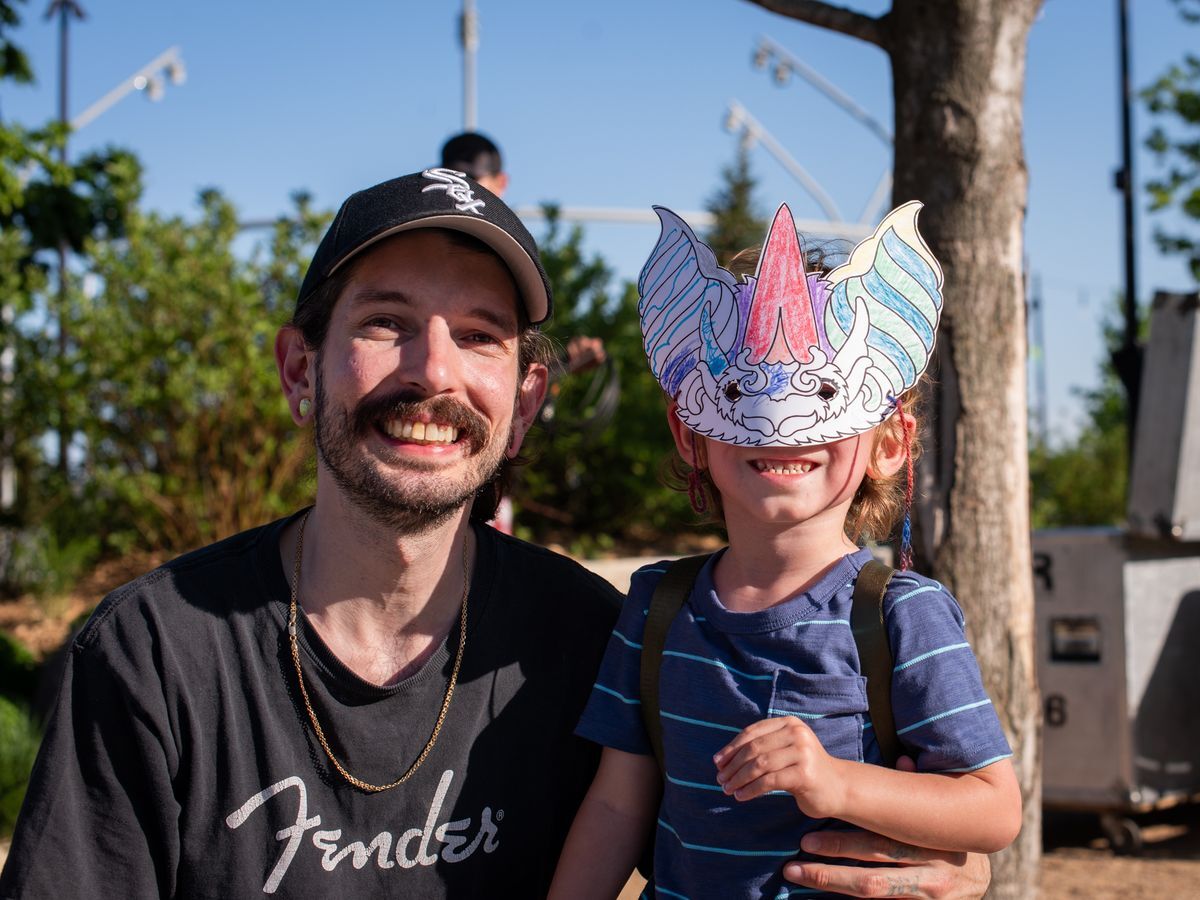
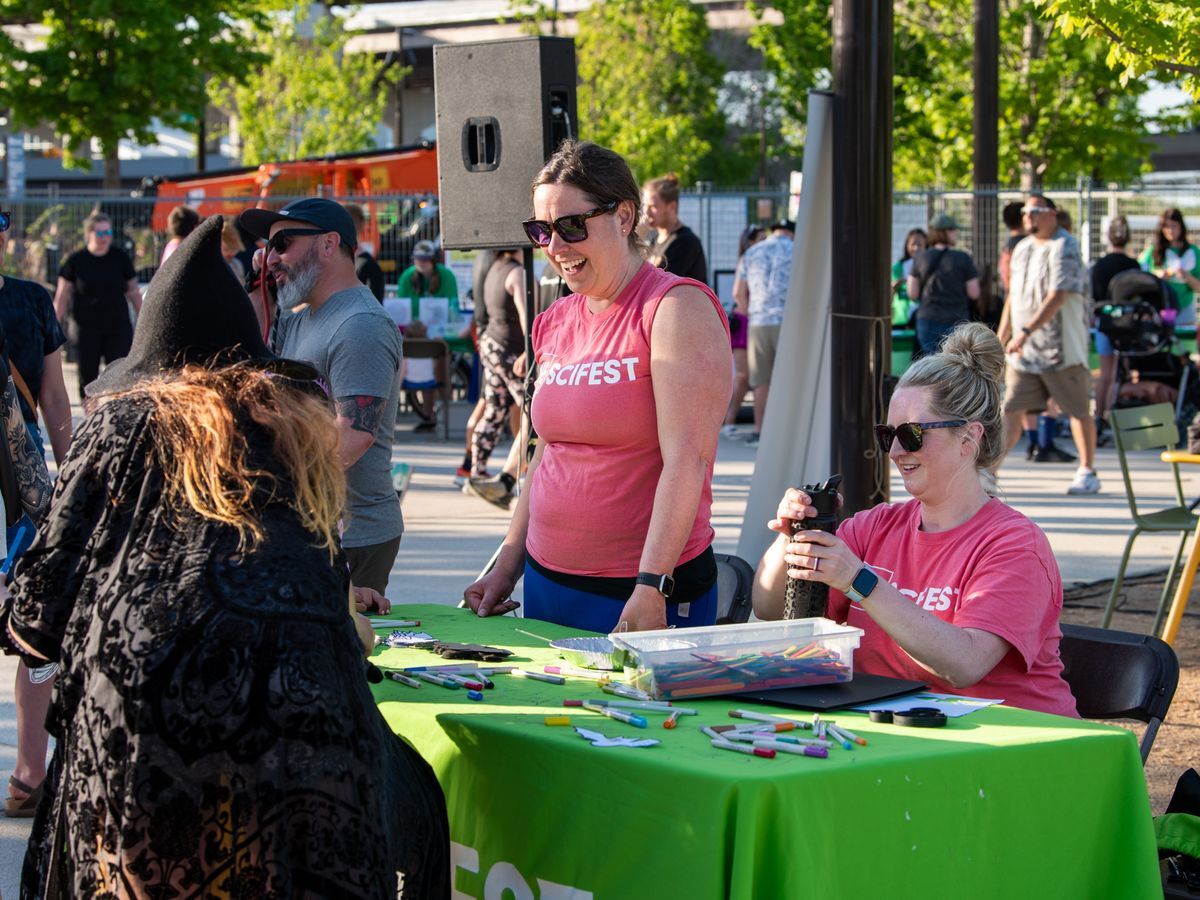
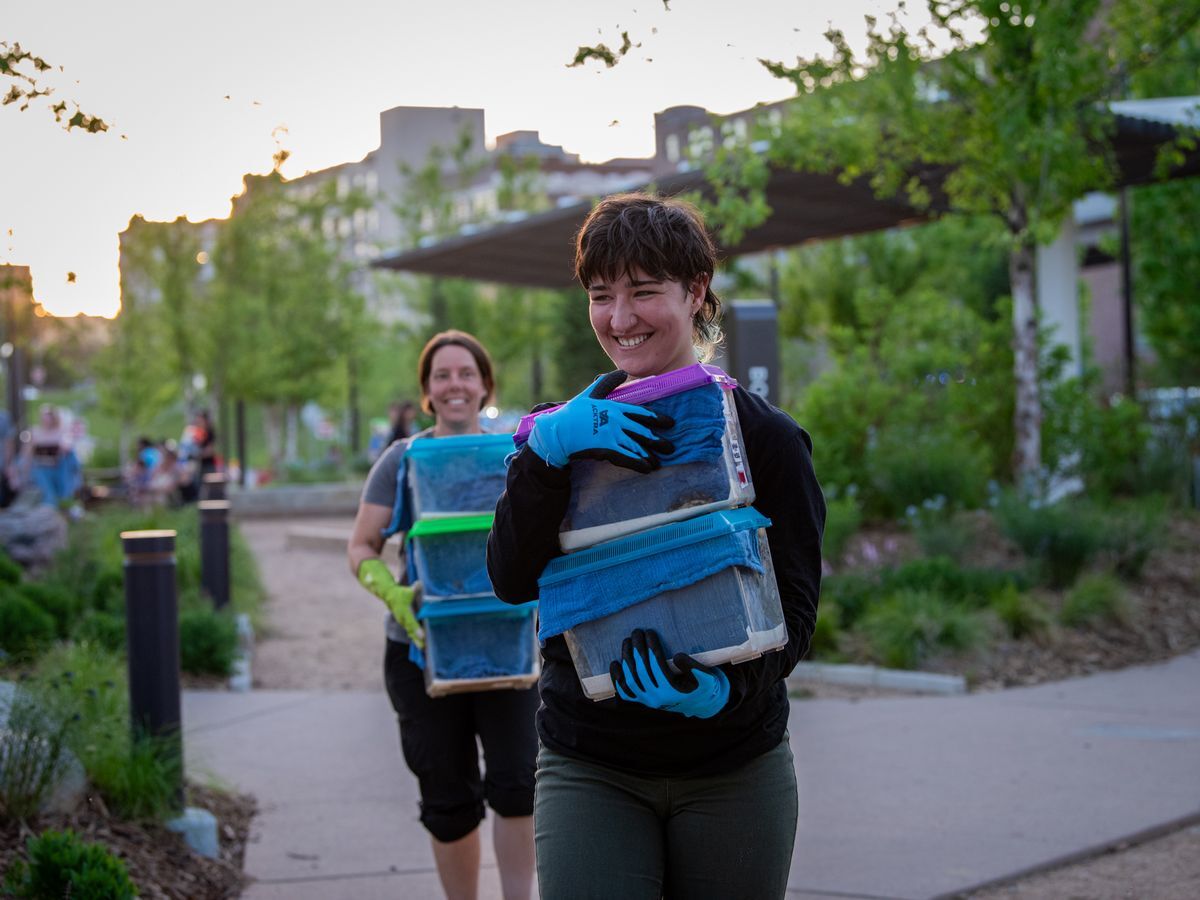
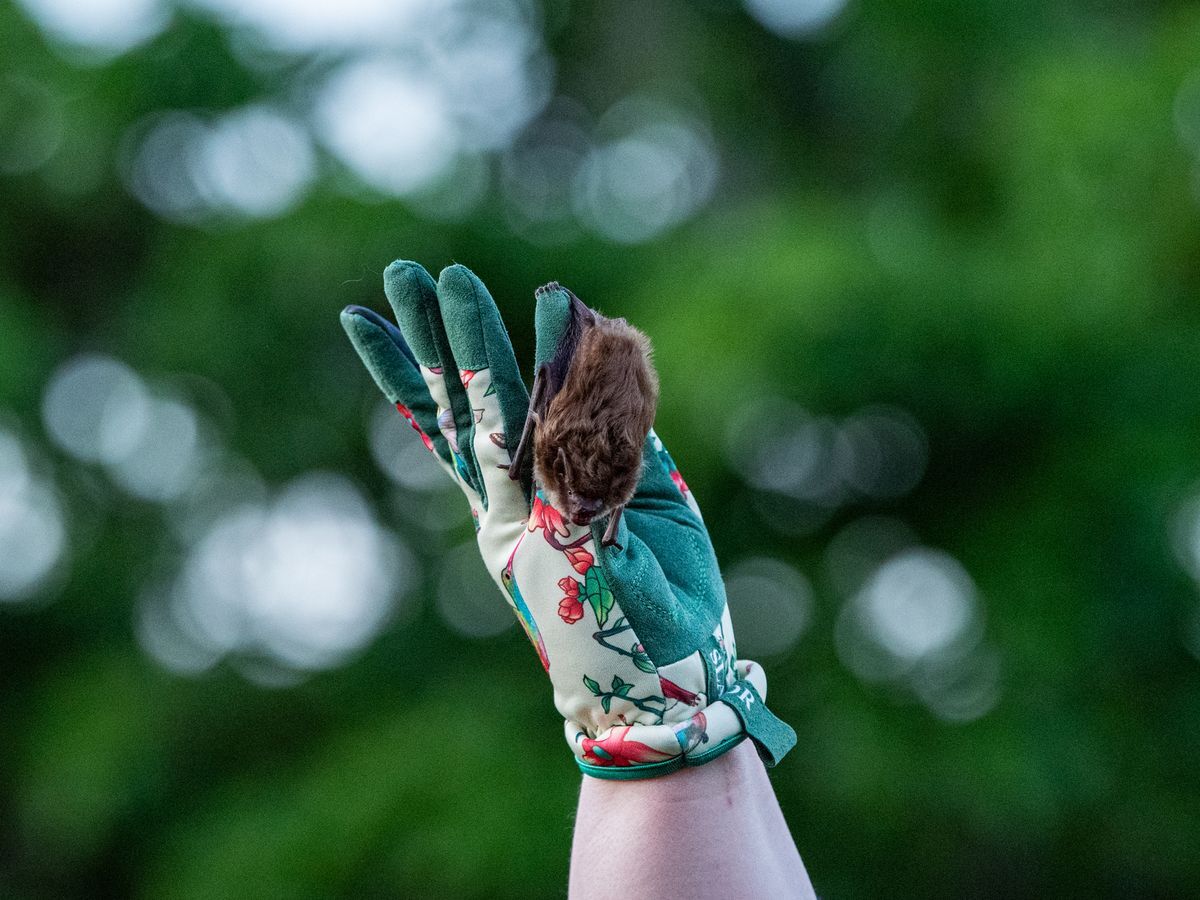
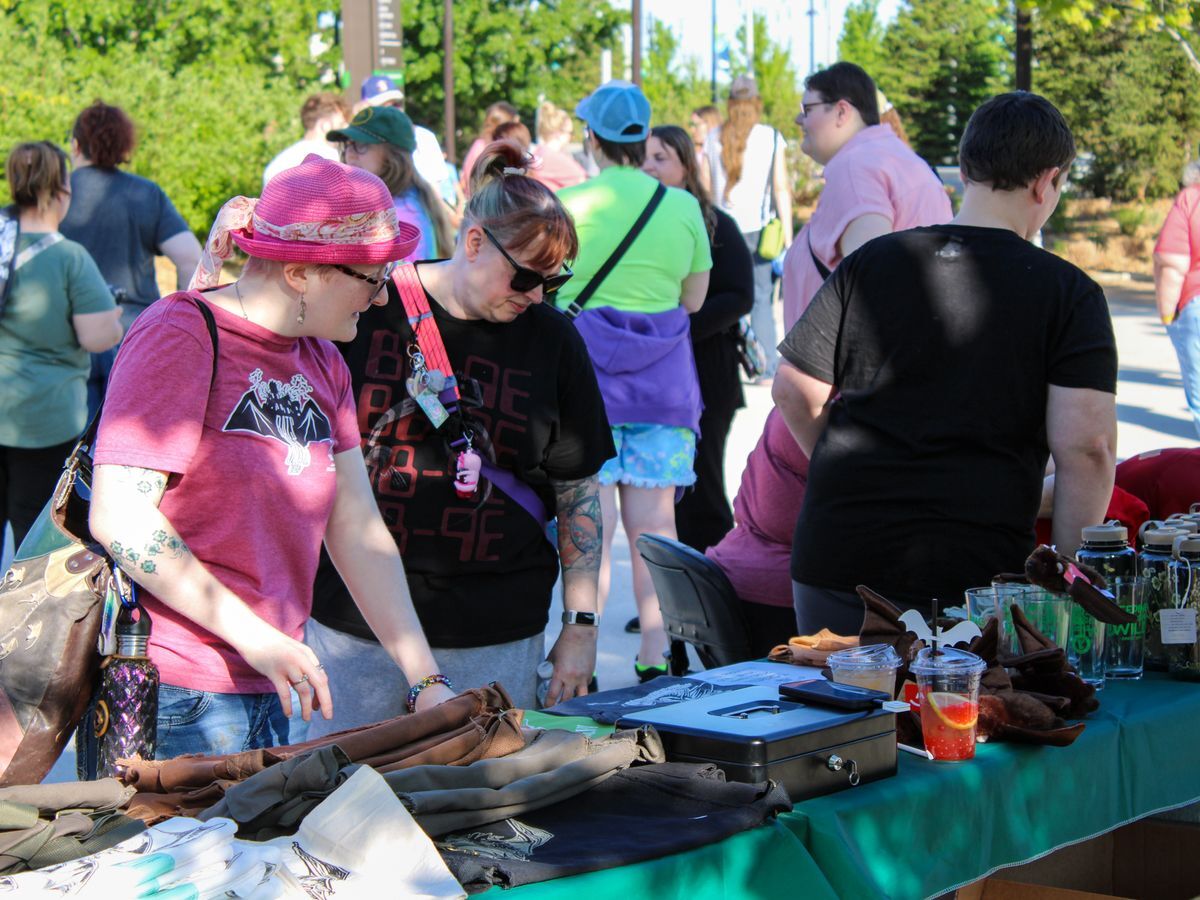
On May 5th, our team was joined by over 3,000 supporters in Heartland of America Park at the Omaha RiverFront for the release of over 200 bats! Although it was the first time at our new venue in downtown, this was the 15th Anniversary of Bats Over Omaha, which has grown into an incredible family-friendly event that welcomes the public to enjoy the spectacle of hundreds of displaced and injured bats taking to the skies after their journey through rehab.
Huge thanks to our new partners at the RiverFront and NE Science Festival, and also to the incredible community of supporters who showed up for wildlife and wild spaces!


NWR Education Programming
High School Science Academy
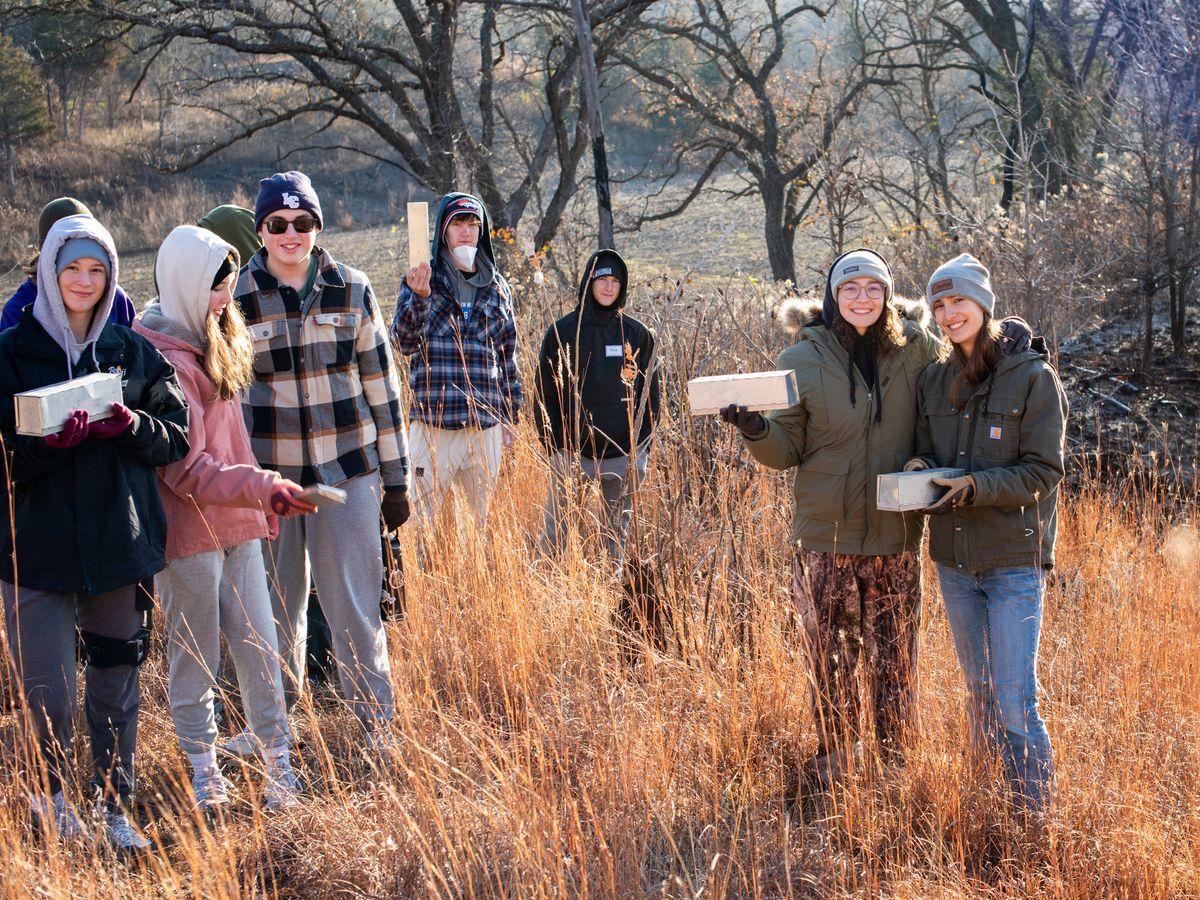
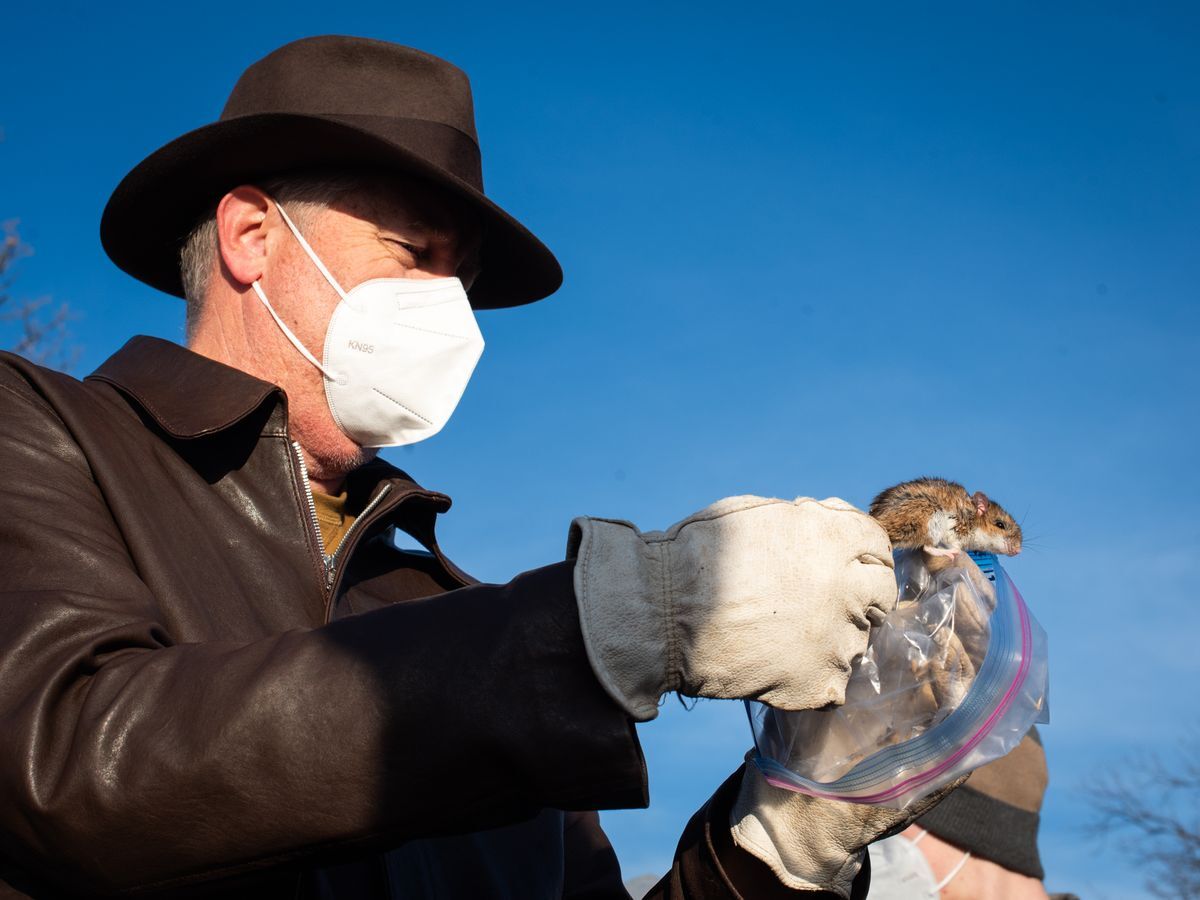
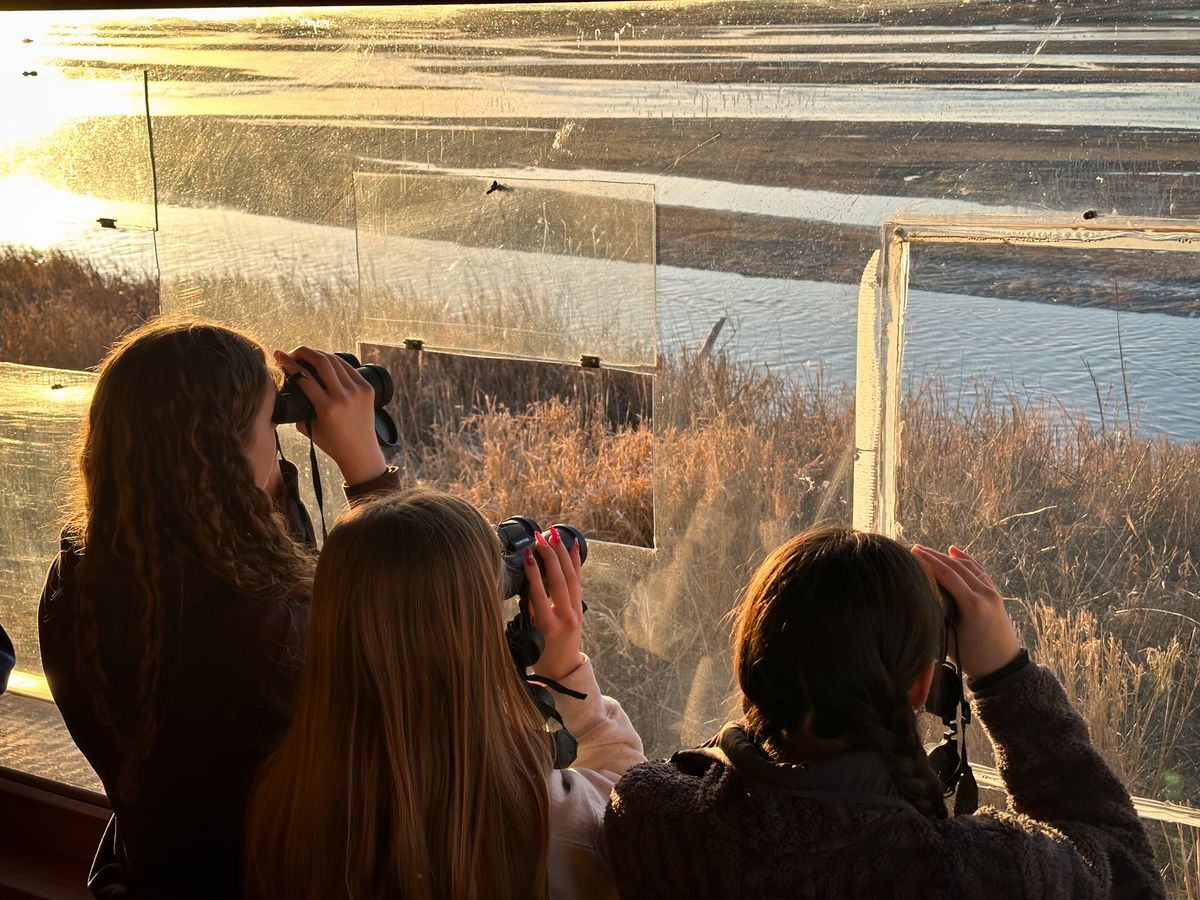
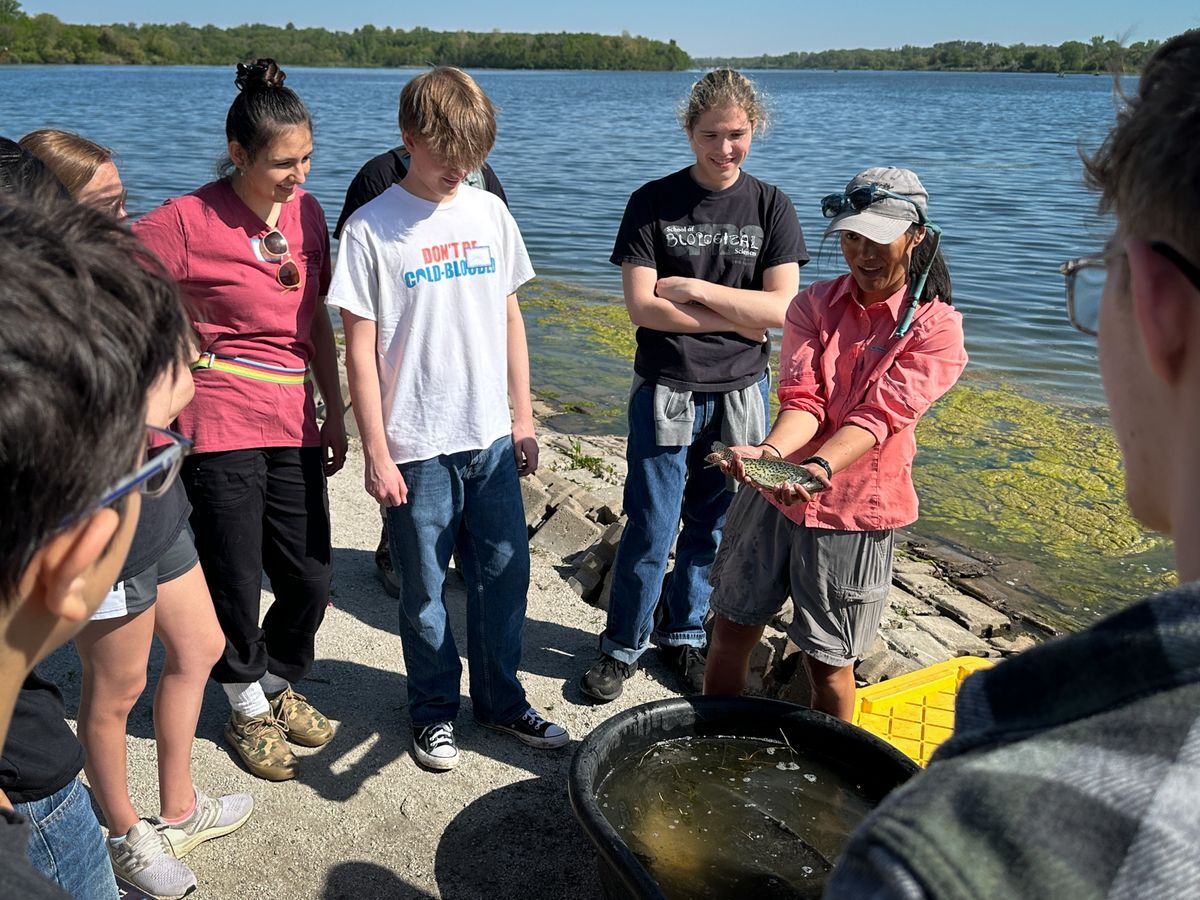
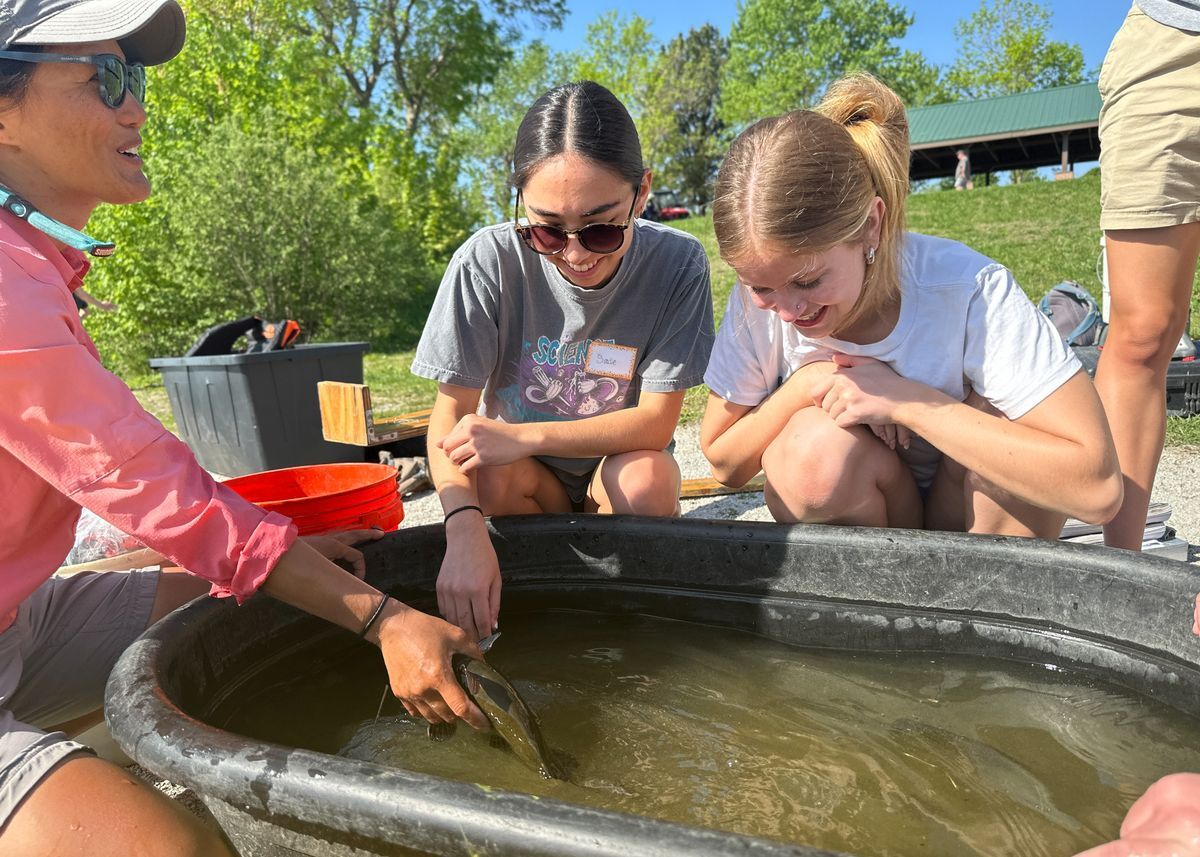
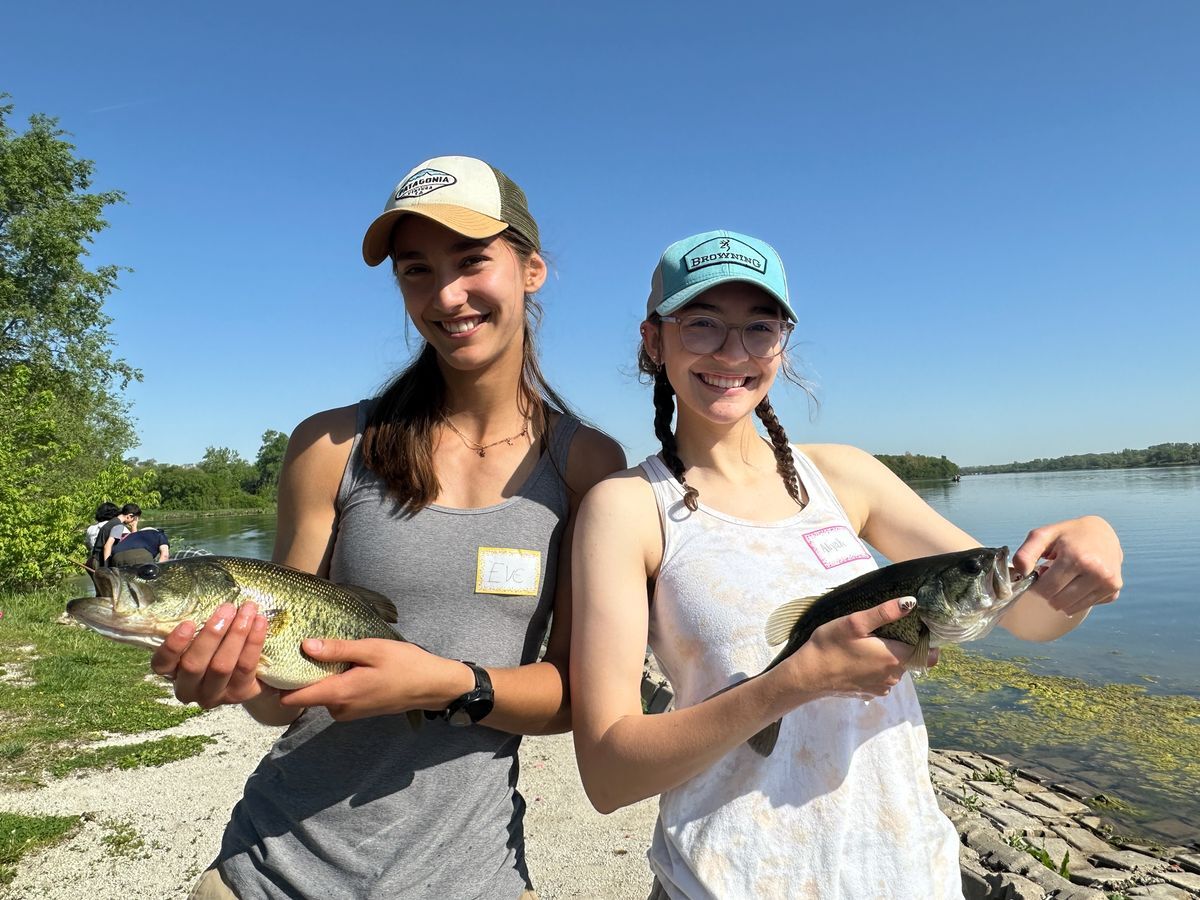
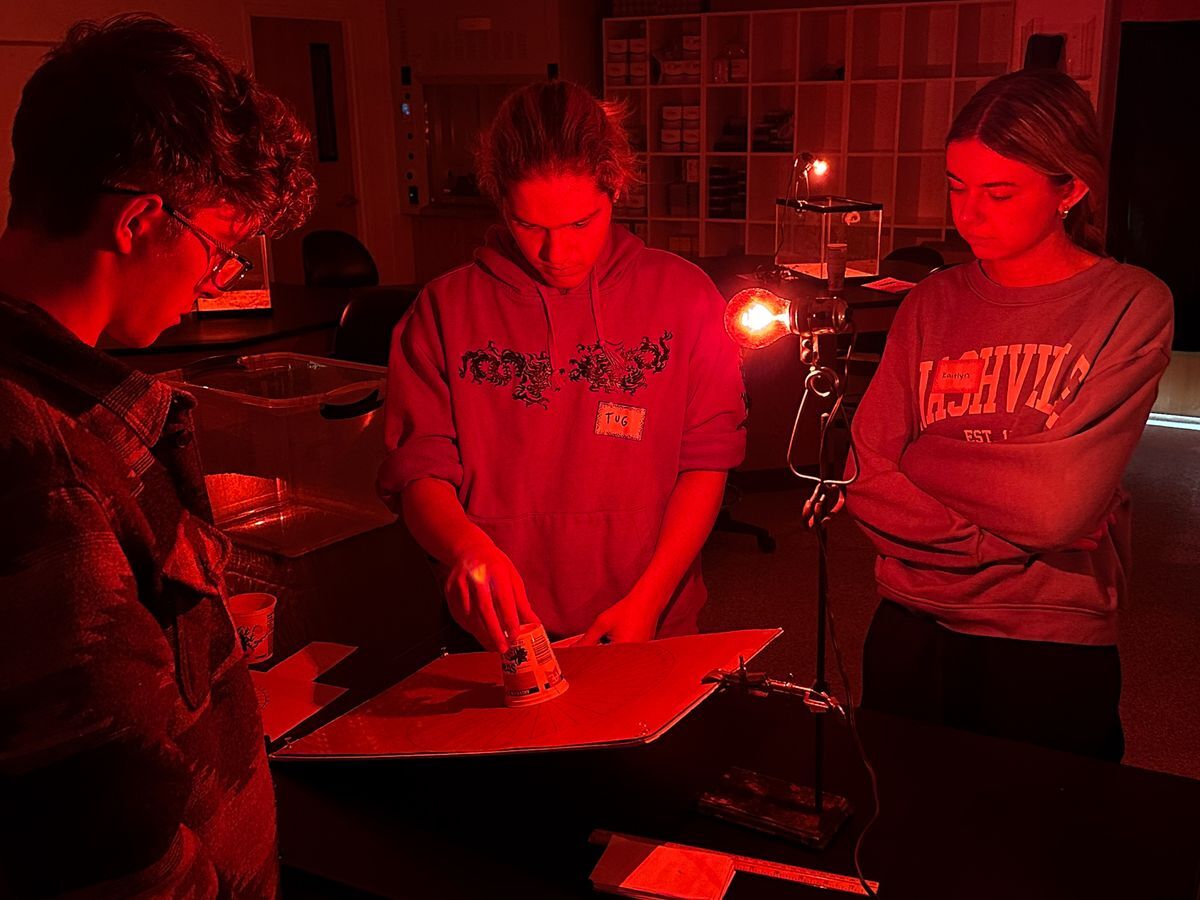
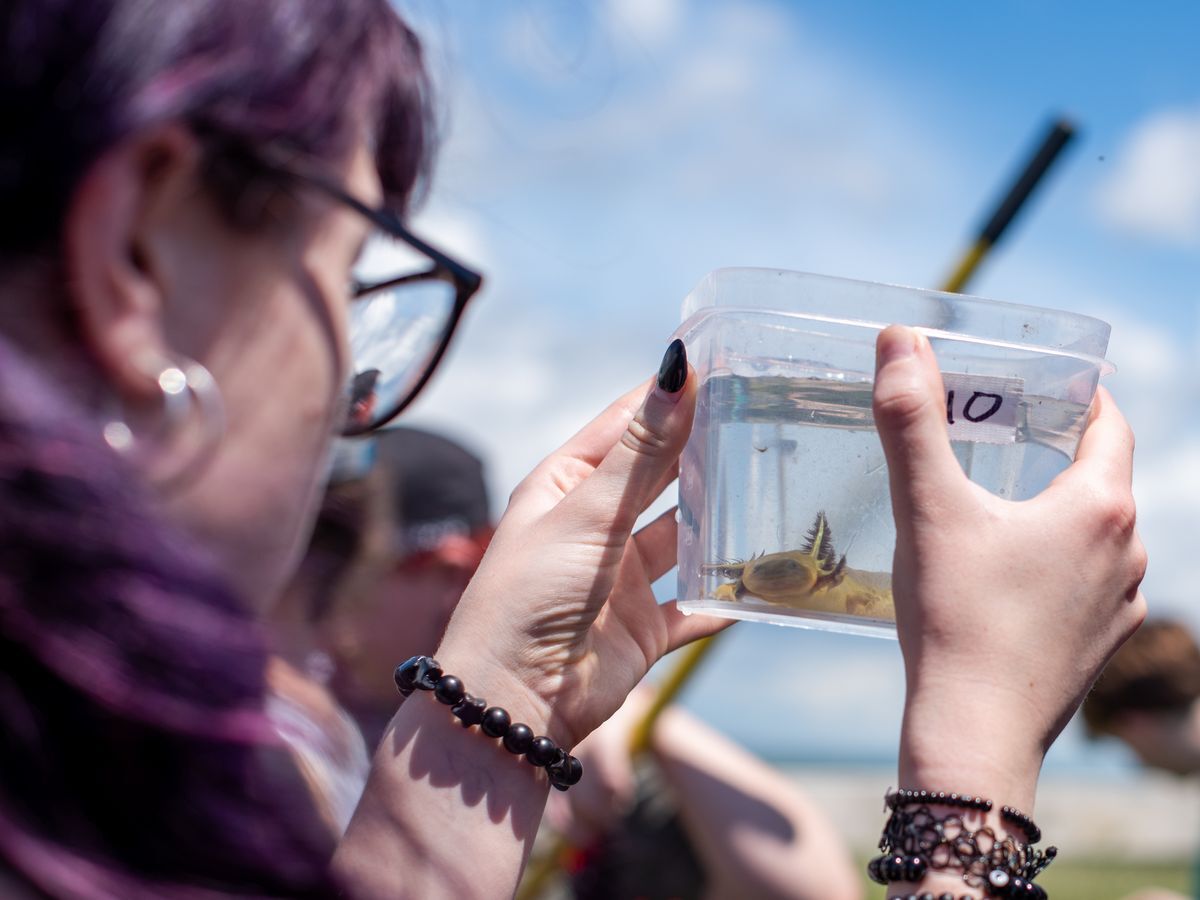
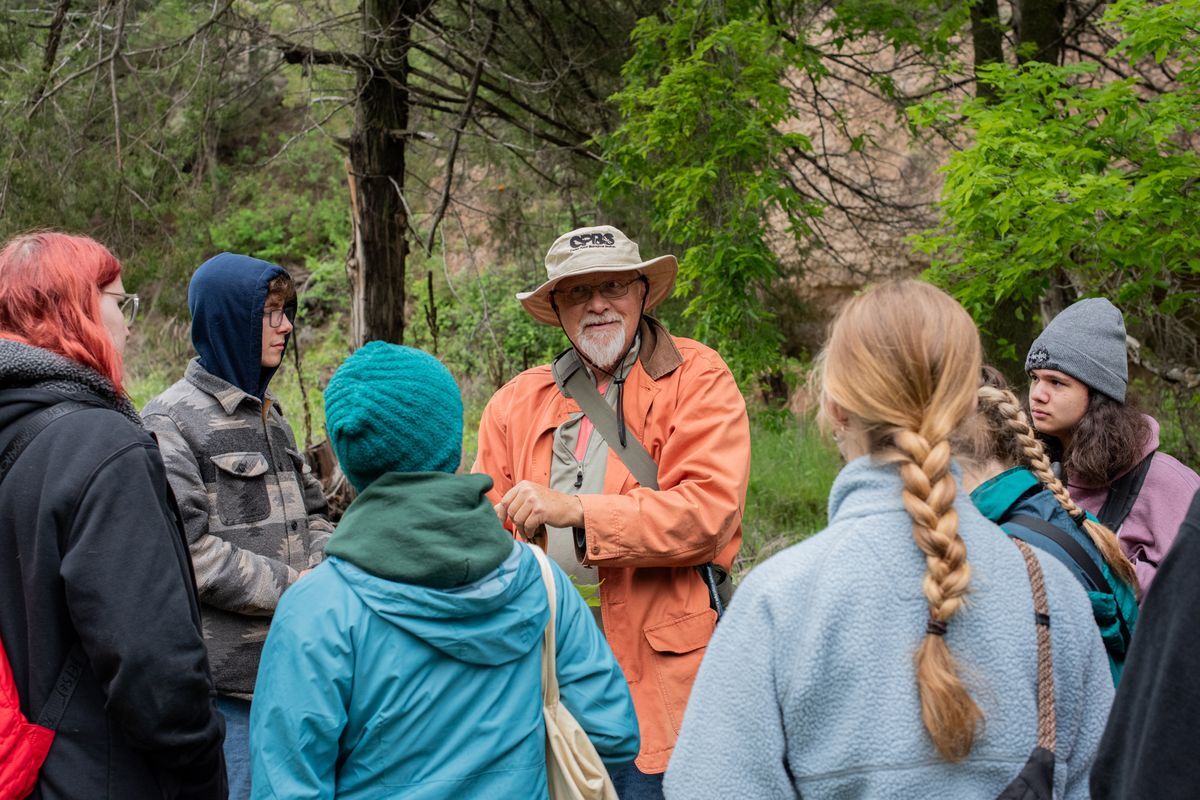
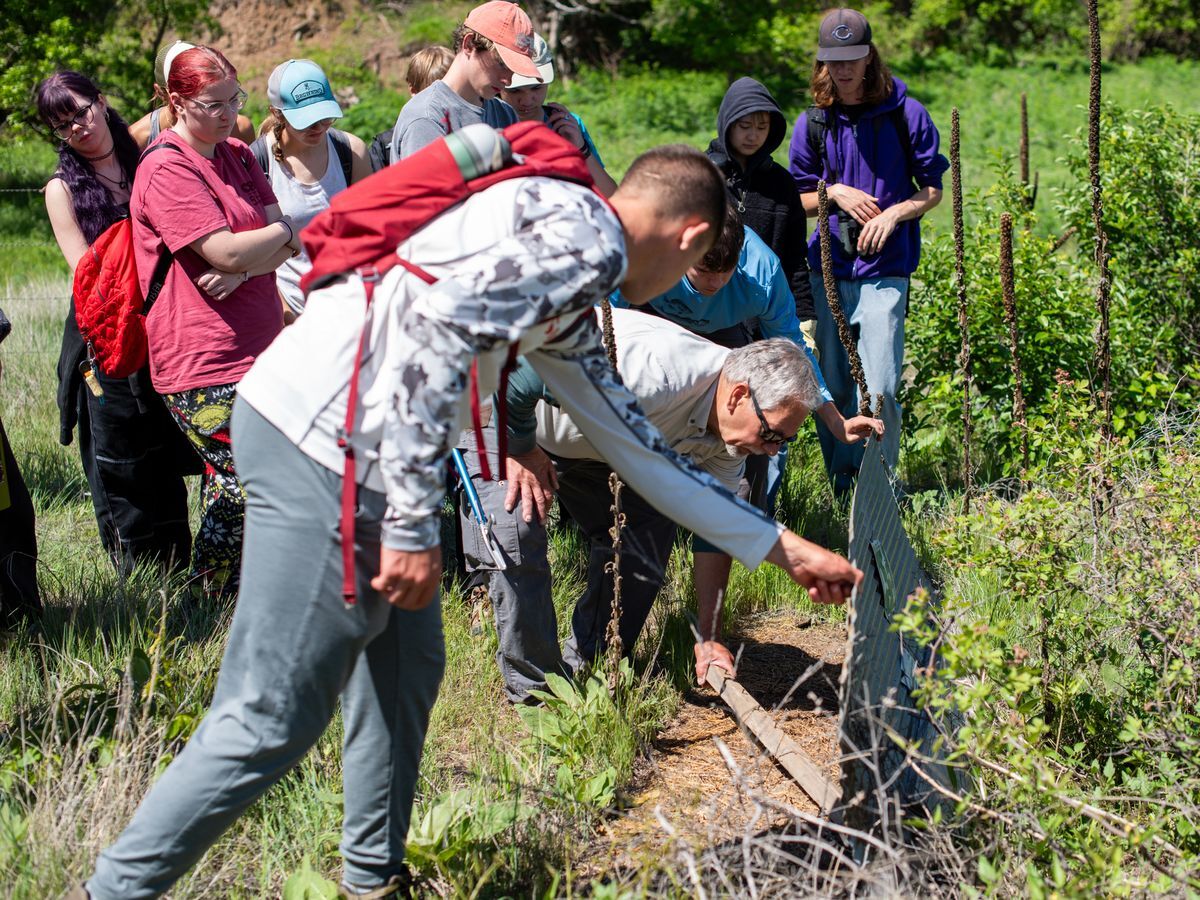
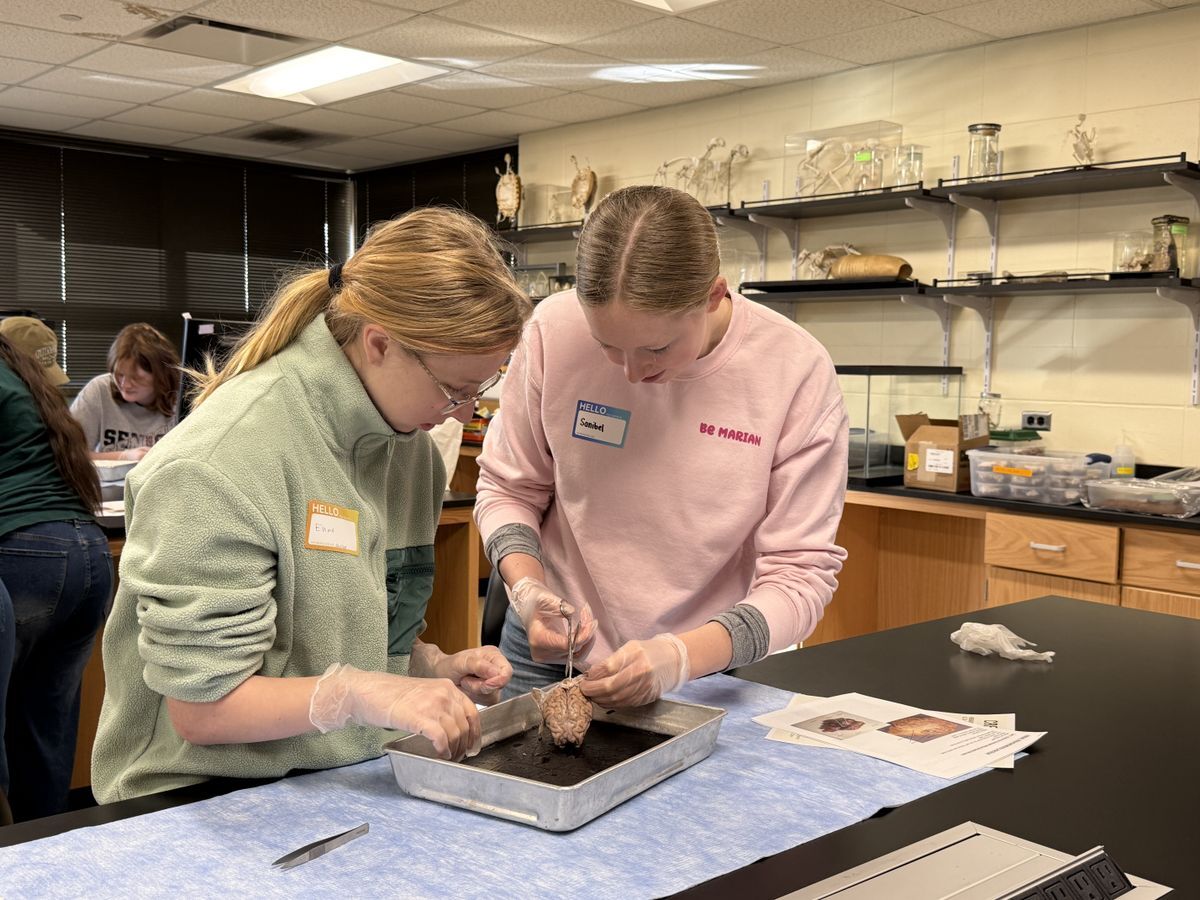
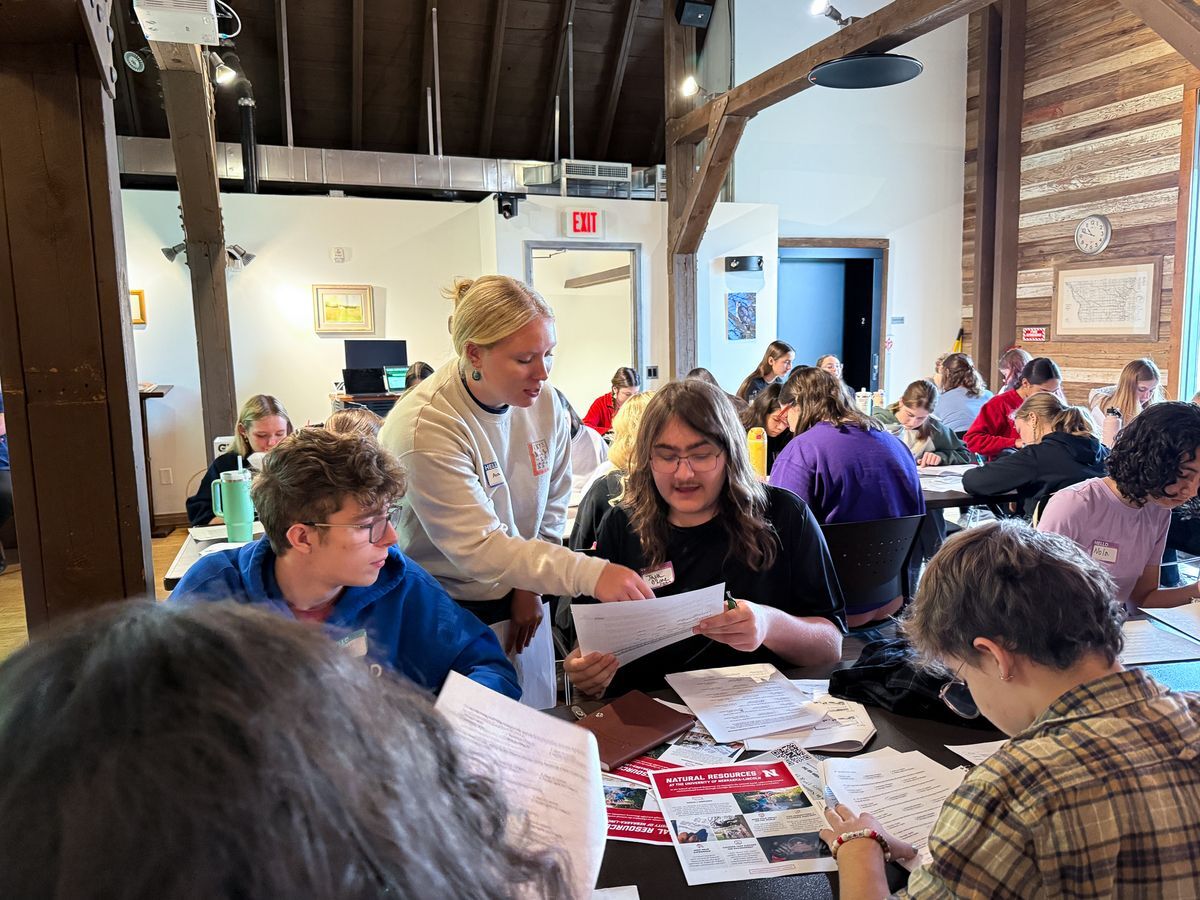
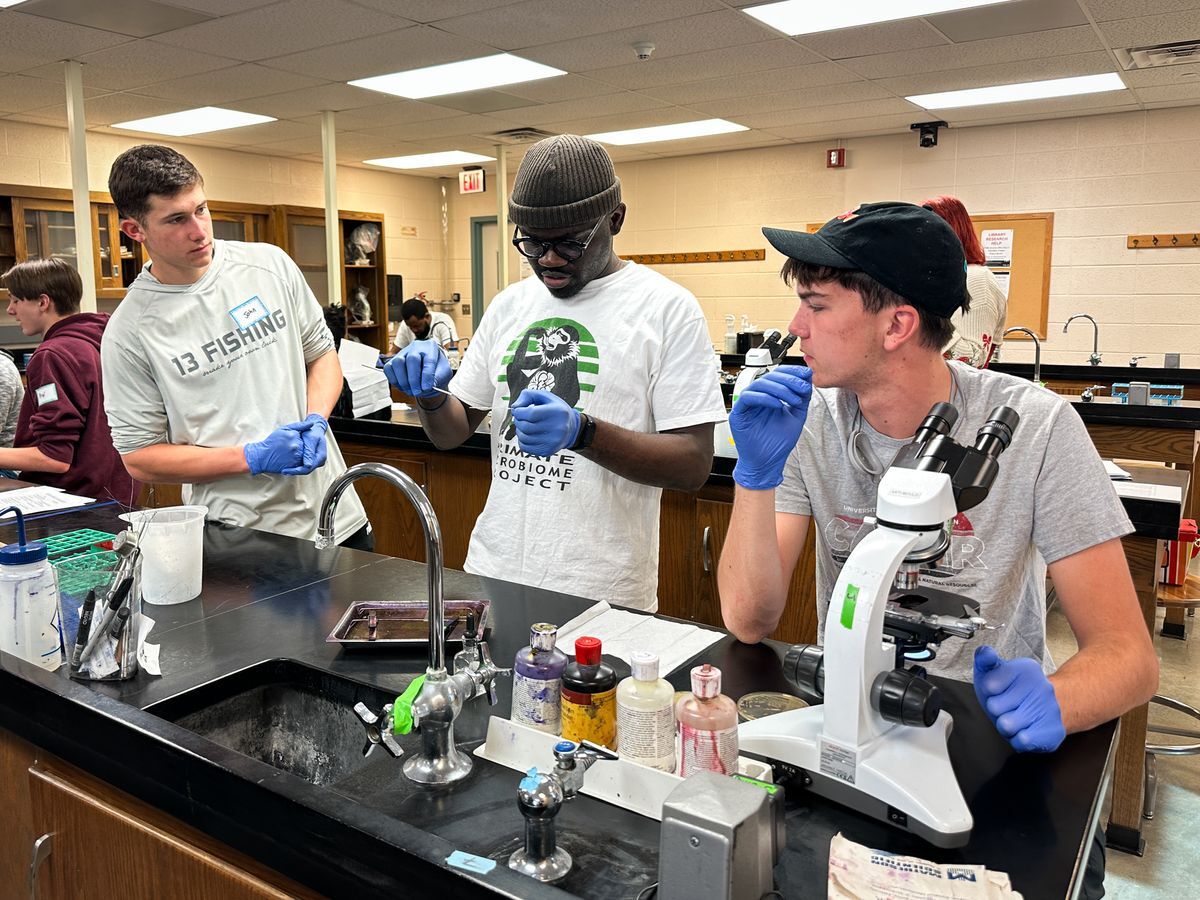
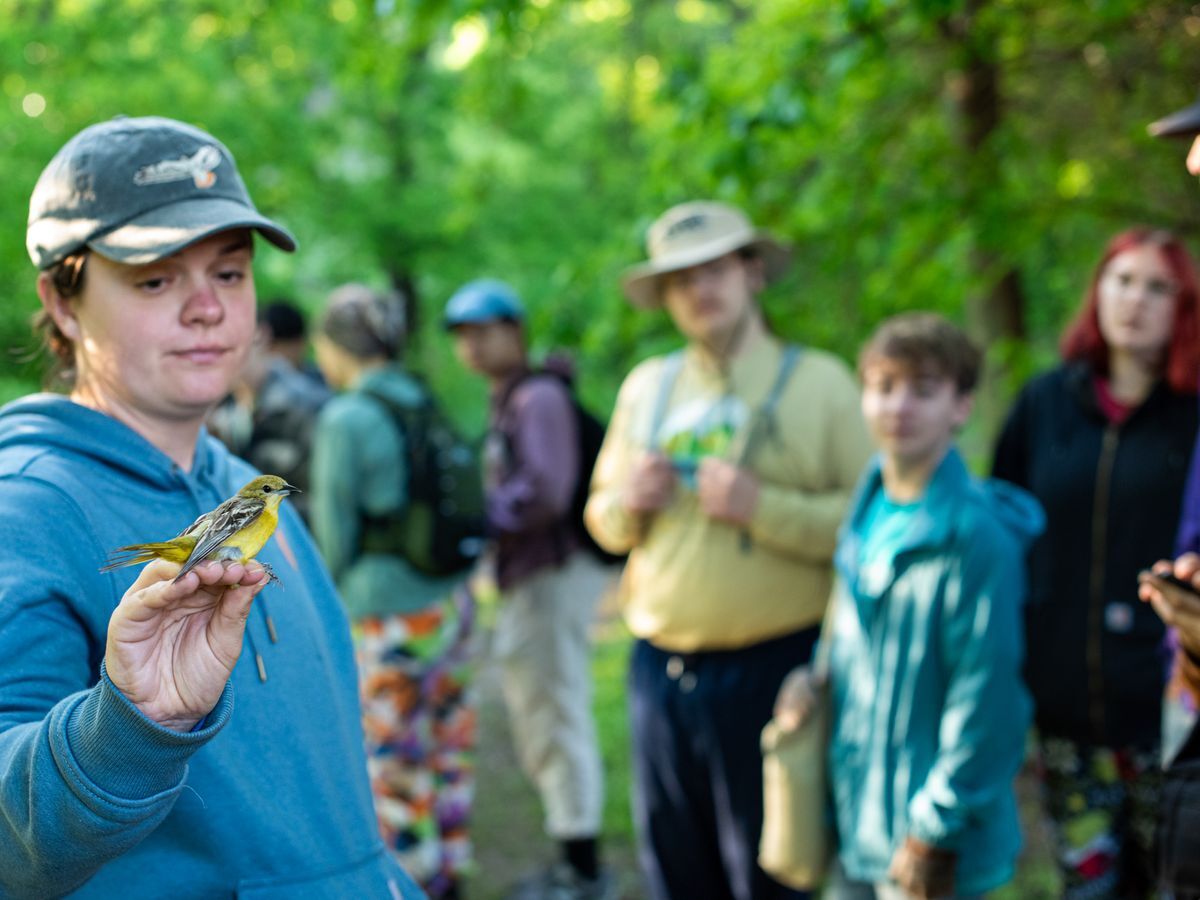
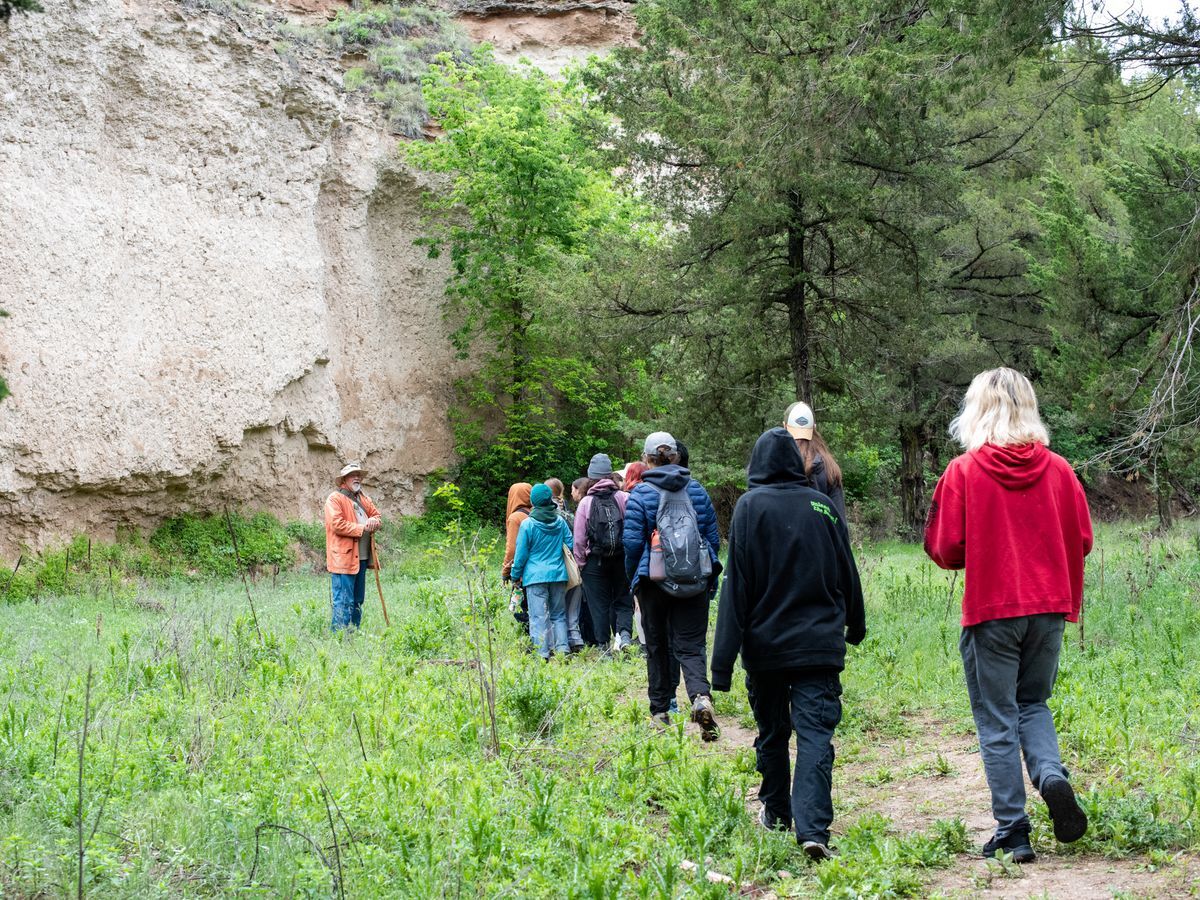
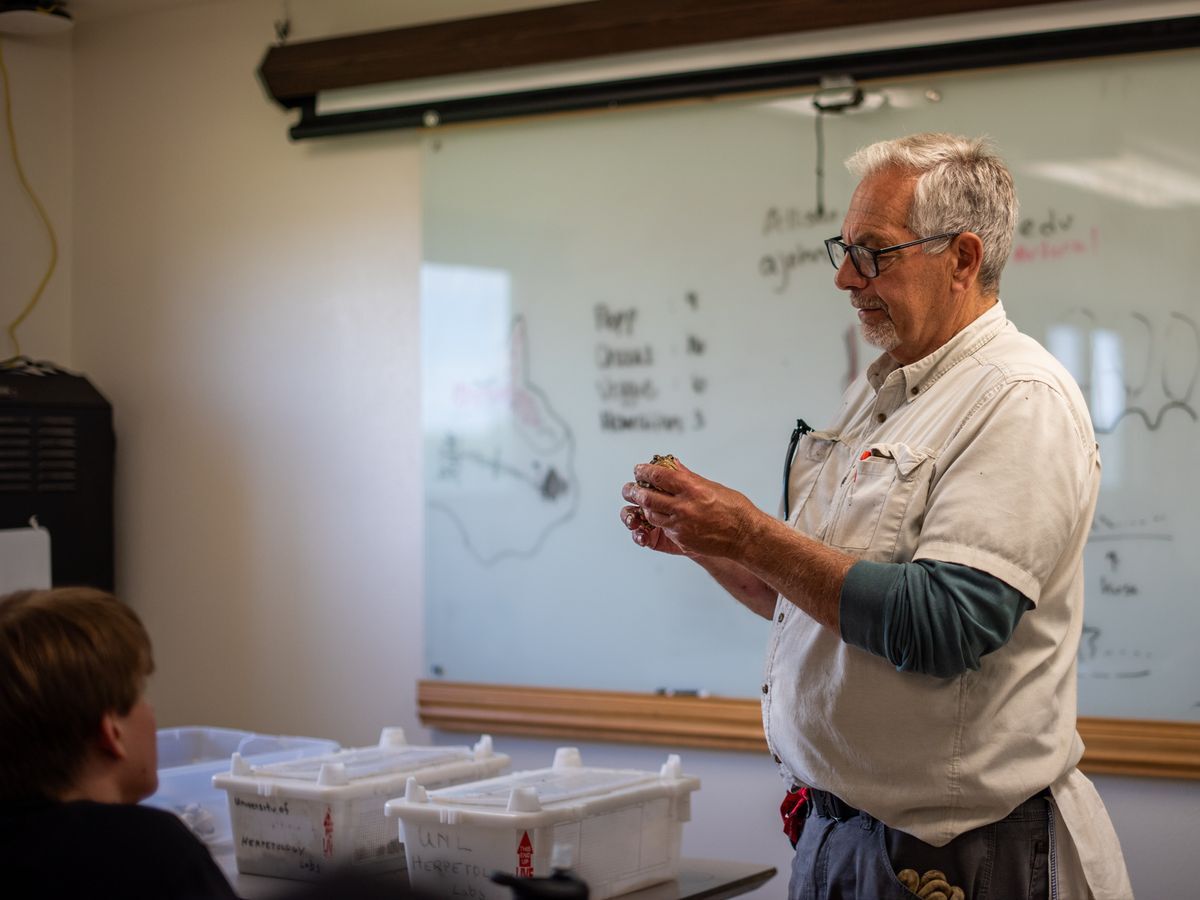
Throughout the year, students in NWR's High School Science Academy gained meaningful, hands-on experience in a wide range of scientific fields at the college-level. Students dove into neuroanatomy with Dr. Gwendalyn King (Creighton University), examining brain structures and learning how form and function connect across species. In the lab, they explored microbiology, learning core techniques and building an understanding of the unseen organisms that shape our world. In the field, they conducted freshwater fish surveys with Dr. Marl Pegg (UNL) and participated in small mammal trapping with Dr. James Wilson (UNO), developing practical skills in data collection, species identification, and ethical research practices.
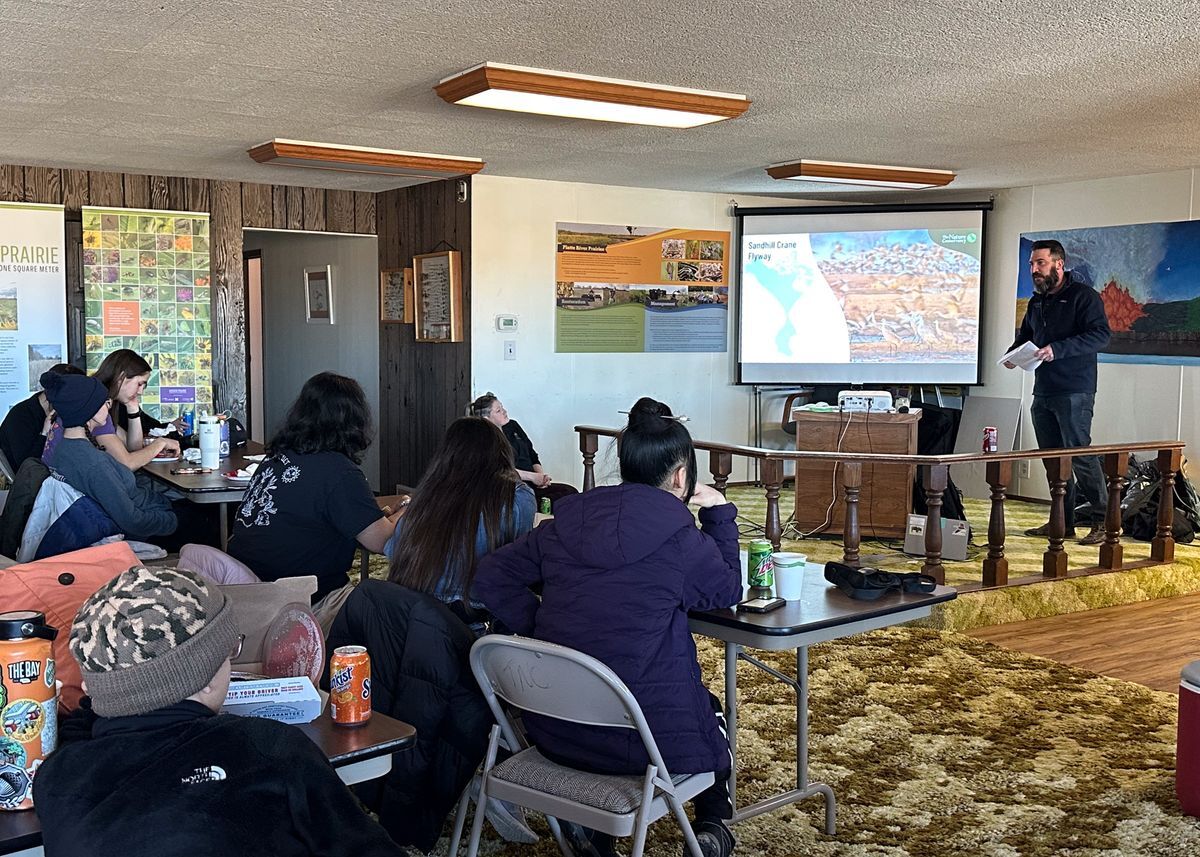
Students also look forward to an annual spring trip to witness the sandhill crane migration at the Nature Conservancy of Nebraska's viewing site along the Platte River, where students get an up-close look at the sheer spectacle of hundreds of thousands of cranes gathering along one of North America’s most important migratory corridors. The program closes out each school year with an unforgettable week of field research at the University of Nebraska–Lincoln’s Cedar Point Biological Station in May, learning from grad students and instructors while conducting real-world research in western Nebraska.
We’re grateful to the instructors, partners, and supporters who make this program possible, and to the students who bring their curiosity and dedication each year. We can’t wait to see where their journeys lead them!

Wildlife Rehab Internships
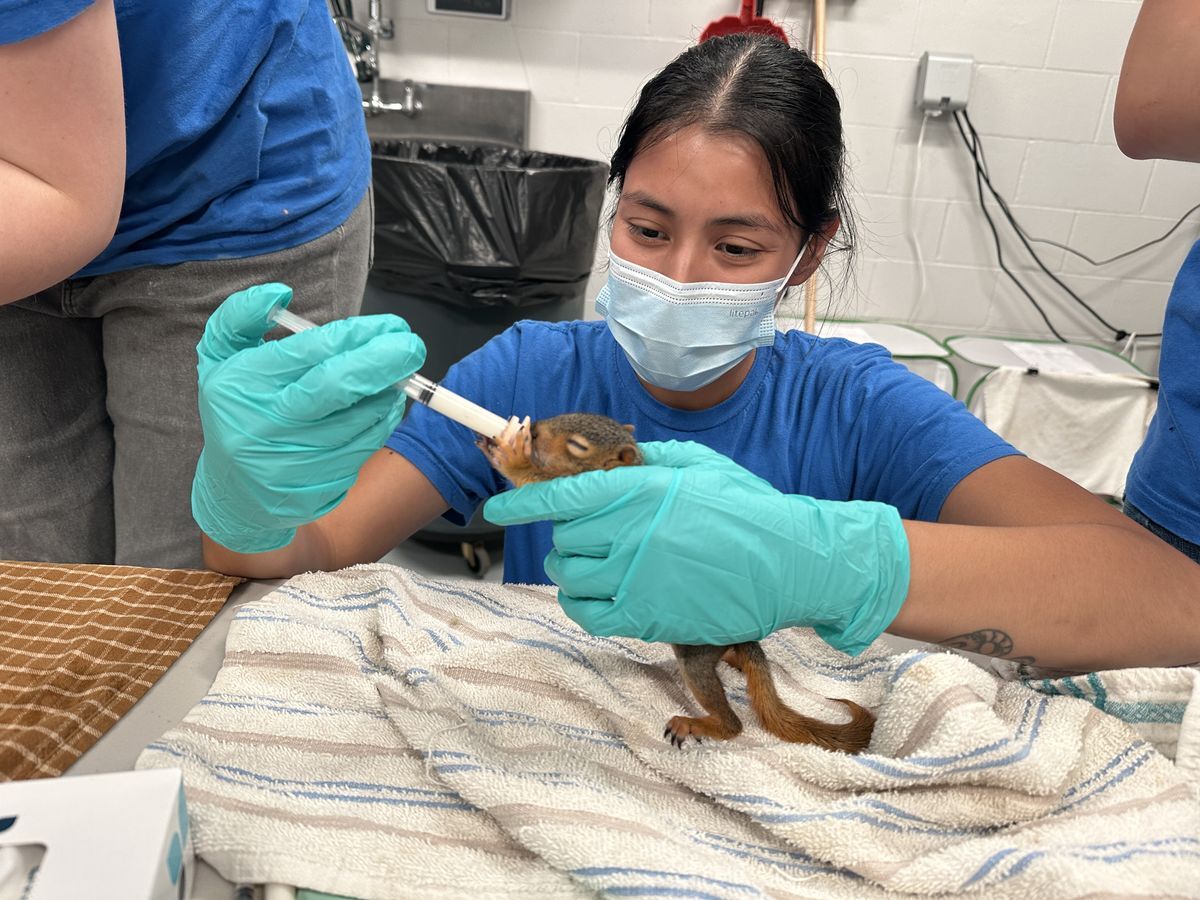
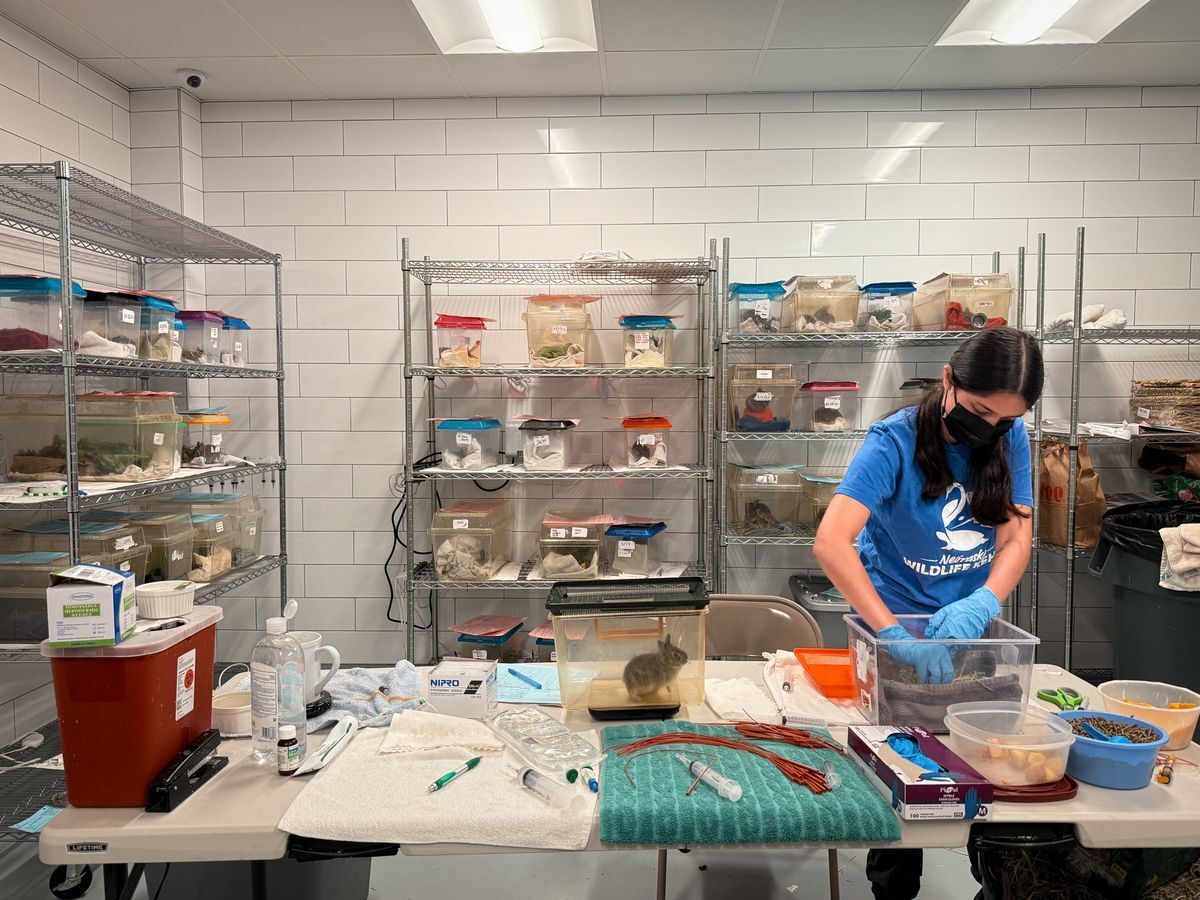
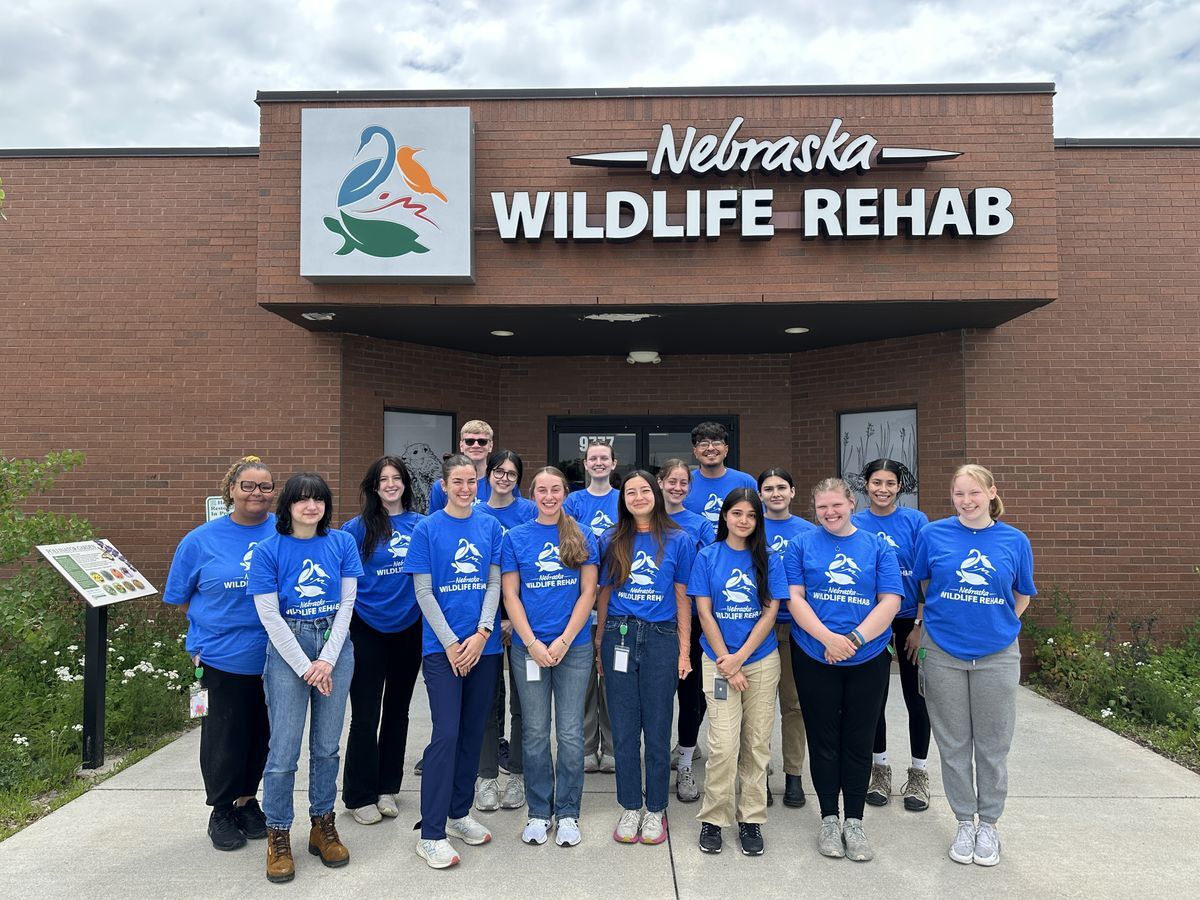
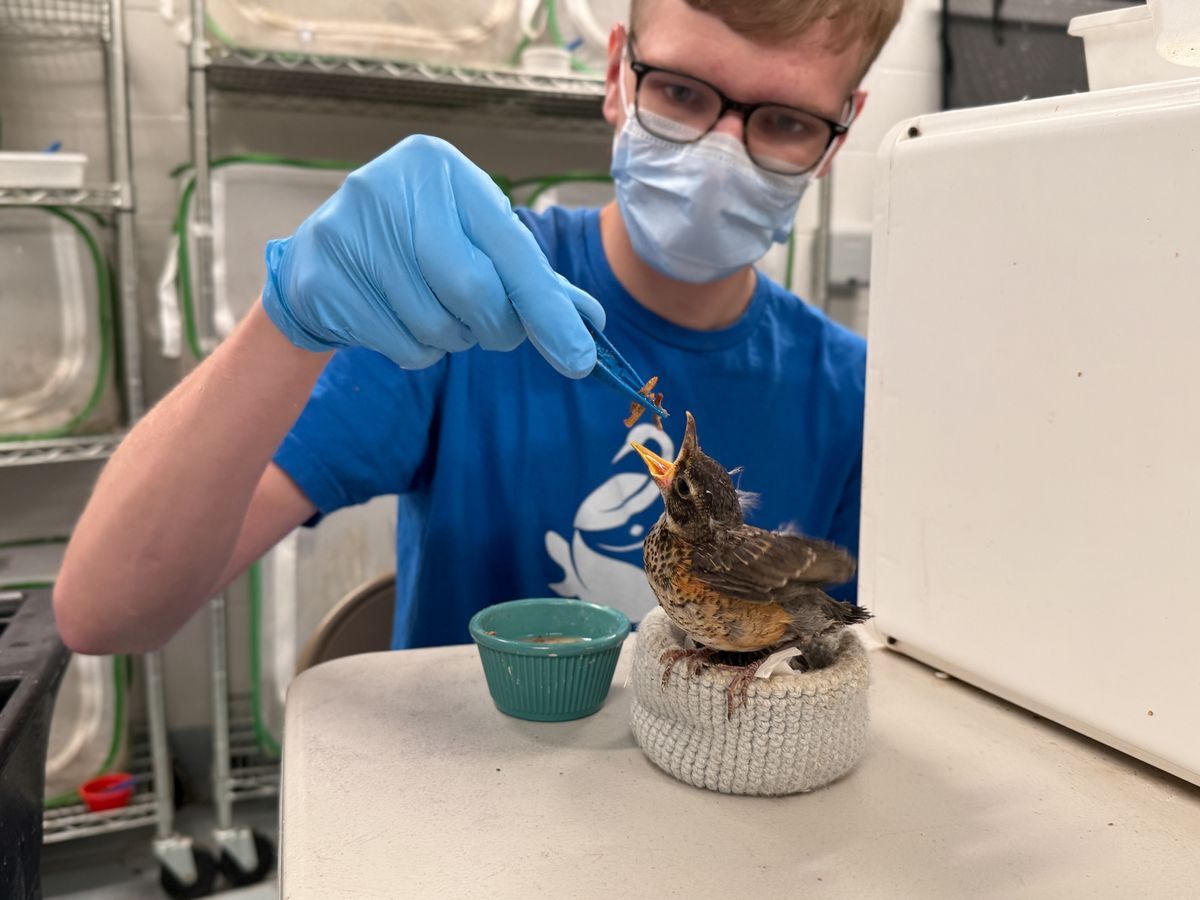
Throughout the spring and summer, interns played a vital role in our daily operations. They assisted with animal care and feeding, helped maintain habitats, supported releases, and jumped in wherever extra hands were needed. Whether caring for orphaned babies during the height of baby season, helping respond to an influx of injured wildlife, or tackling behind-the-scenes tasks that keep the center running, their contributions made a real difference for the animals in our care.
Beyond the hands-on work, interns gained practical skills in wildlife rehabilitation, husbandry, and safety protocols, while also seeing firsthand the emotional highs and lows that come with this work. The impact of their time here extends far beyond a single season; they leave with new skills, a deeper understanding of wildlife rehab, and a shared commitment to protecting our native wildlife.
Special thanks to Intern Nebraska for making our full-time, paid summer internships possible in 2025 and 2024.
Expert Veterinary Care for Every Rescue
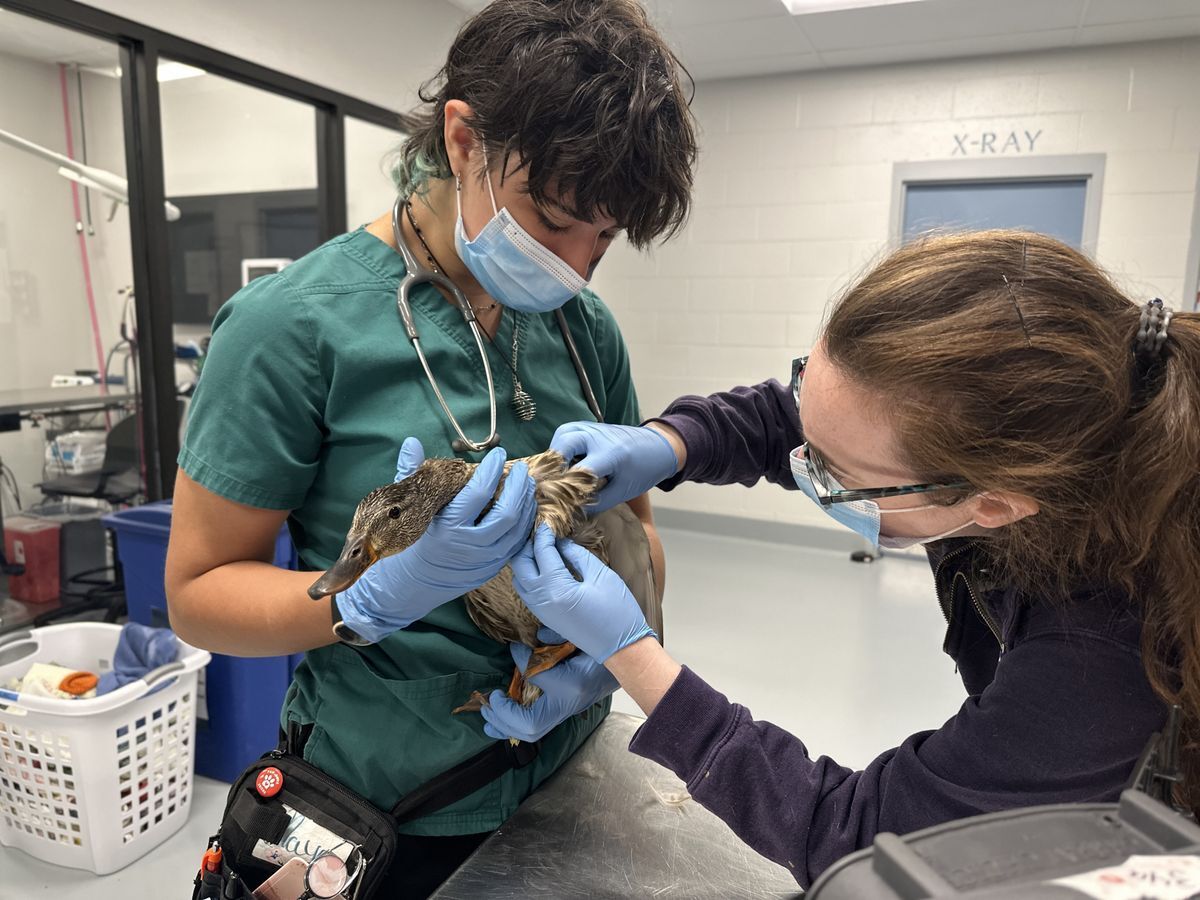
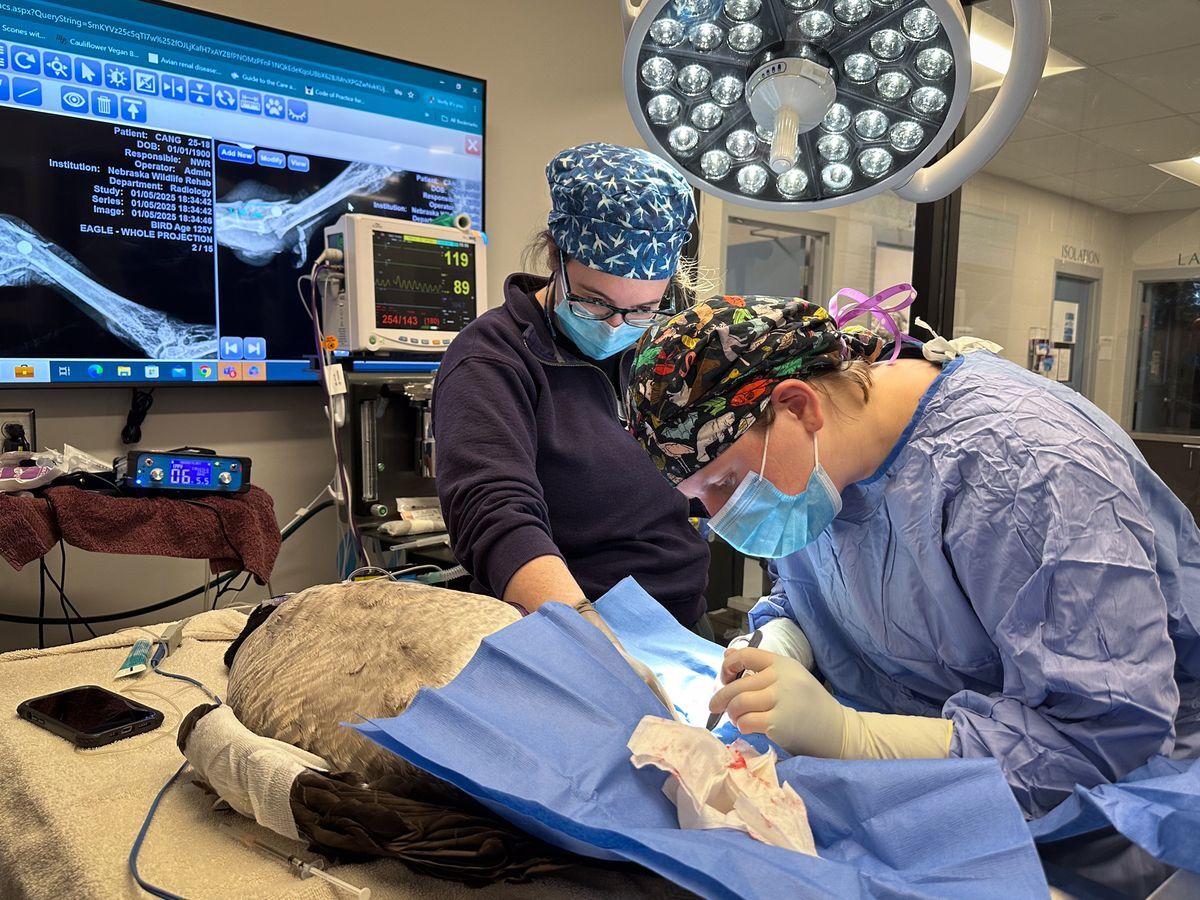
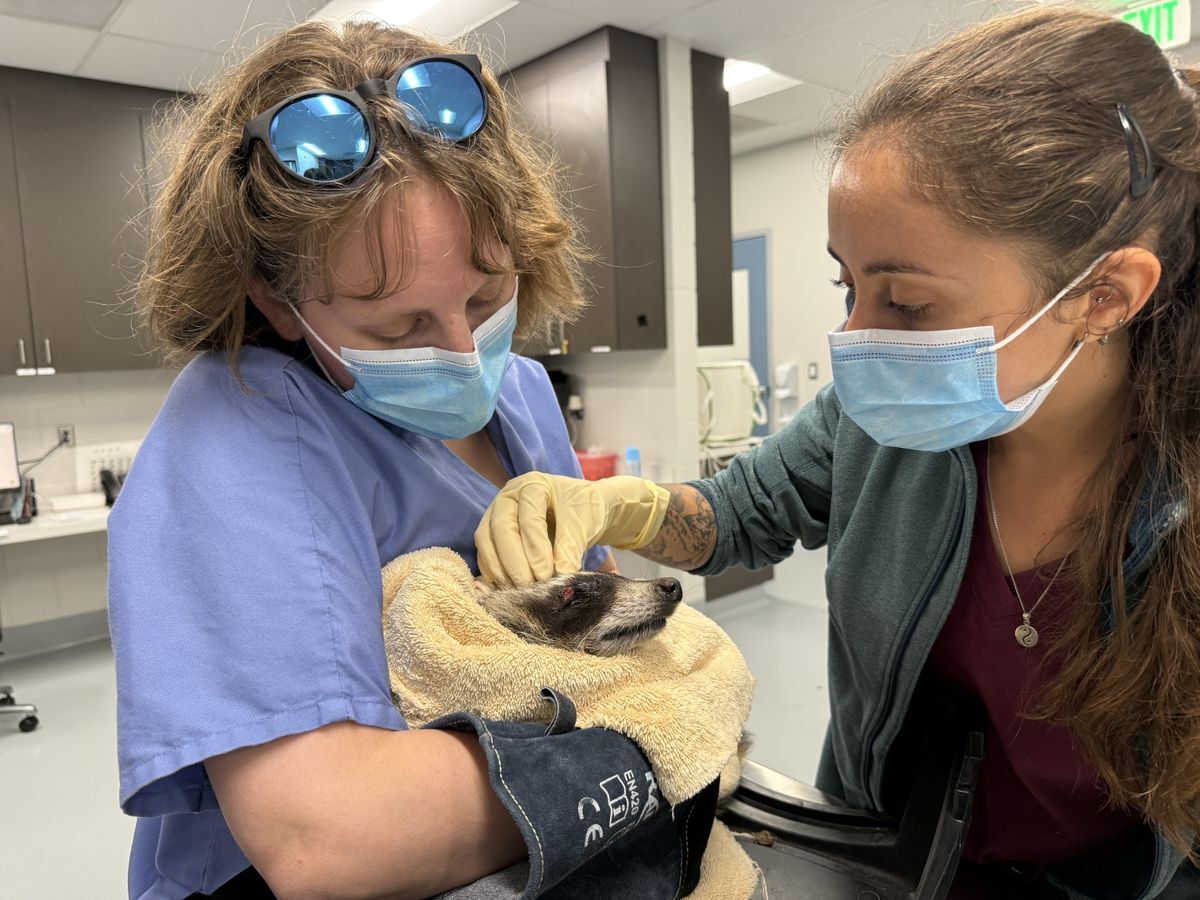
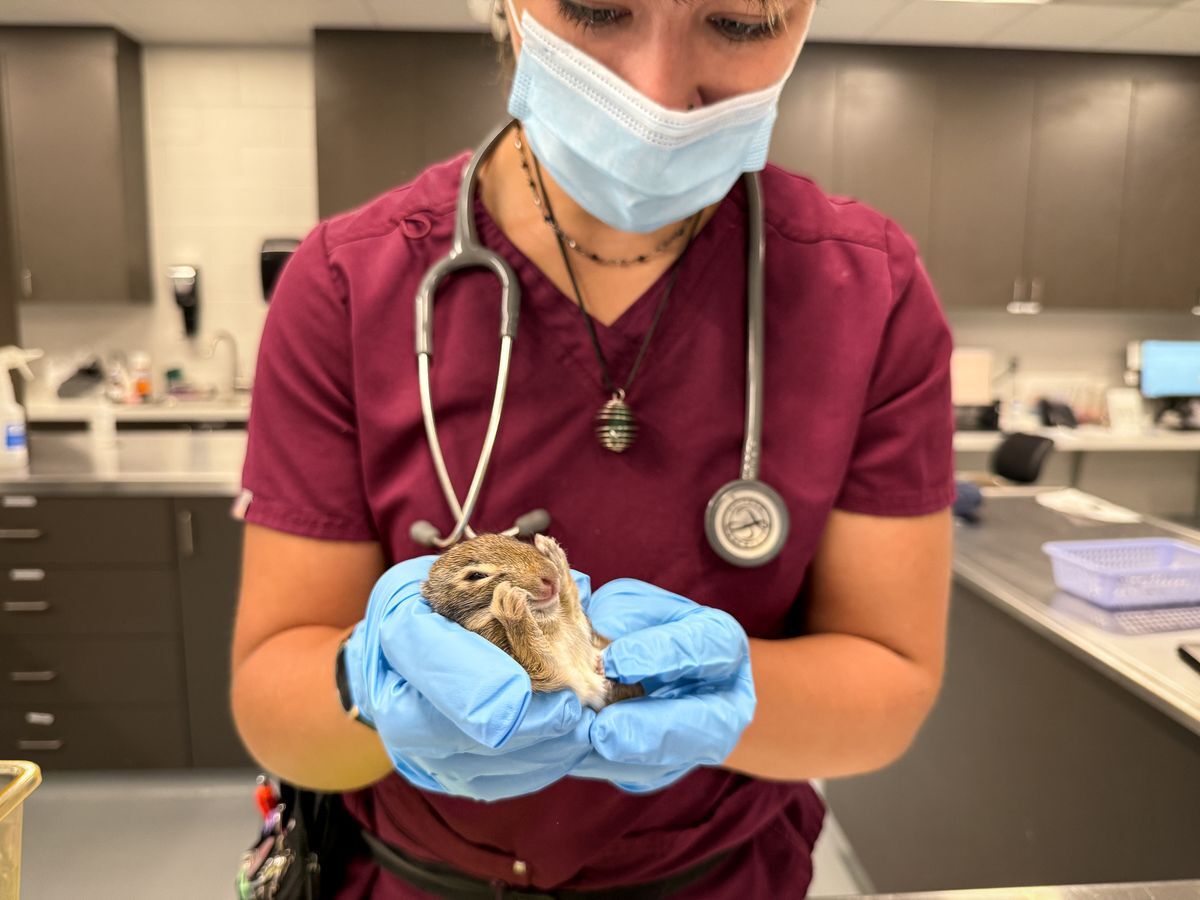
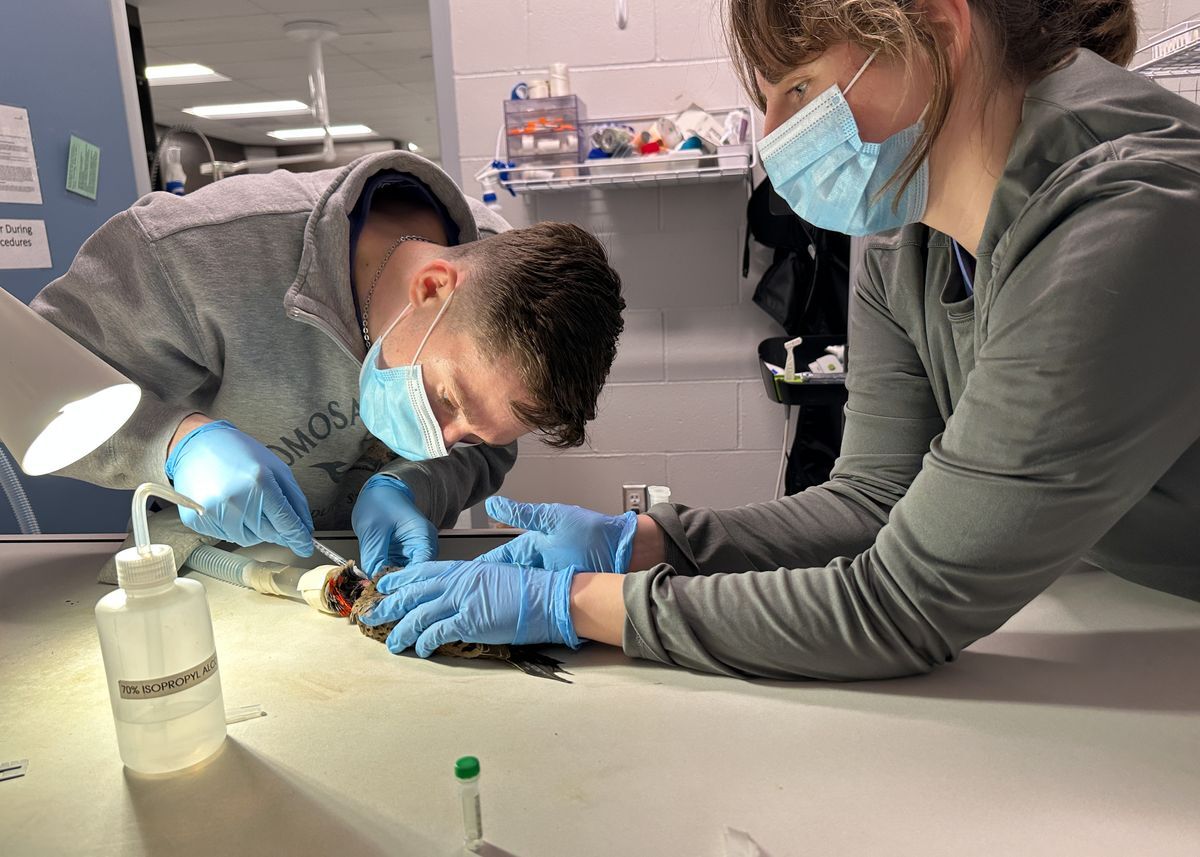
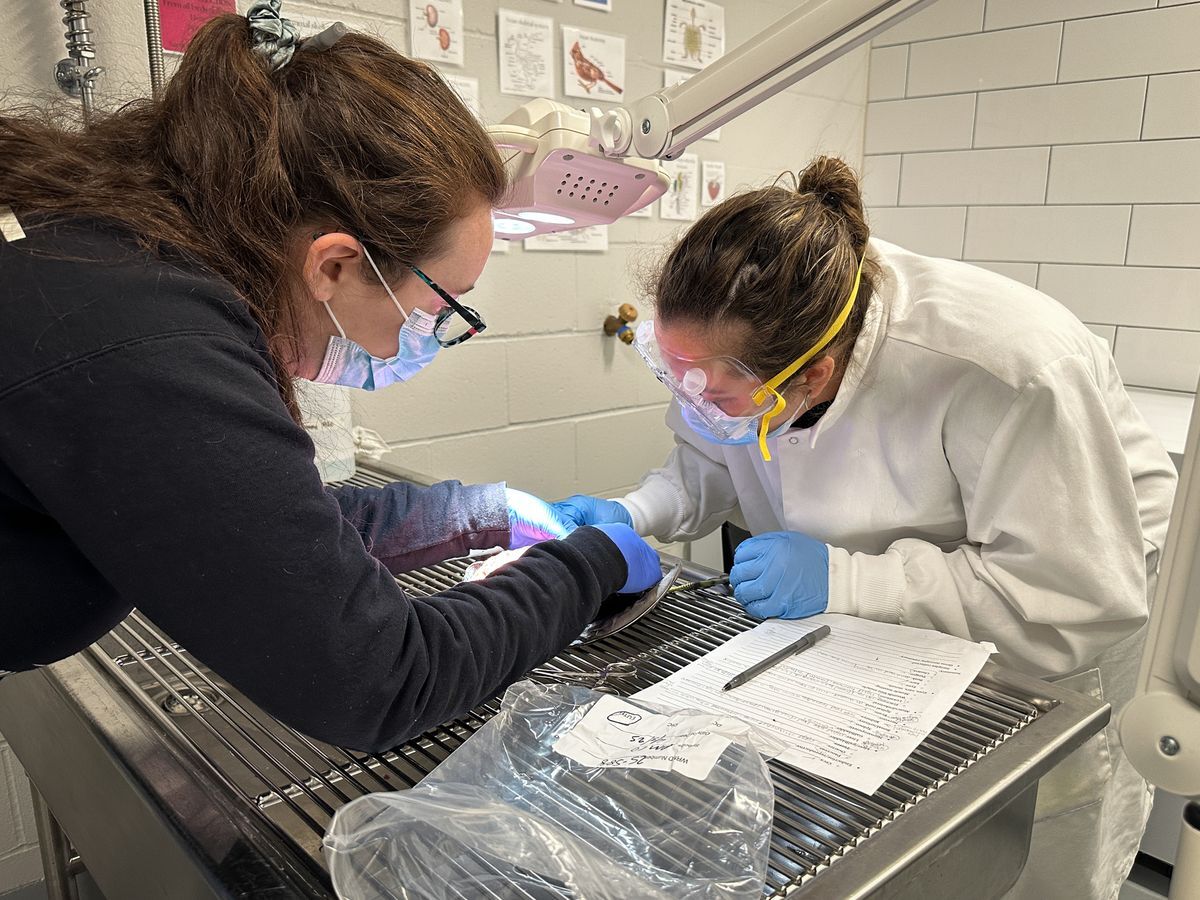
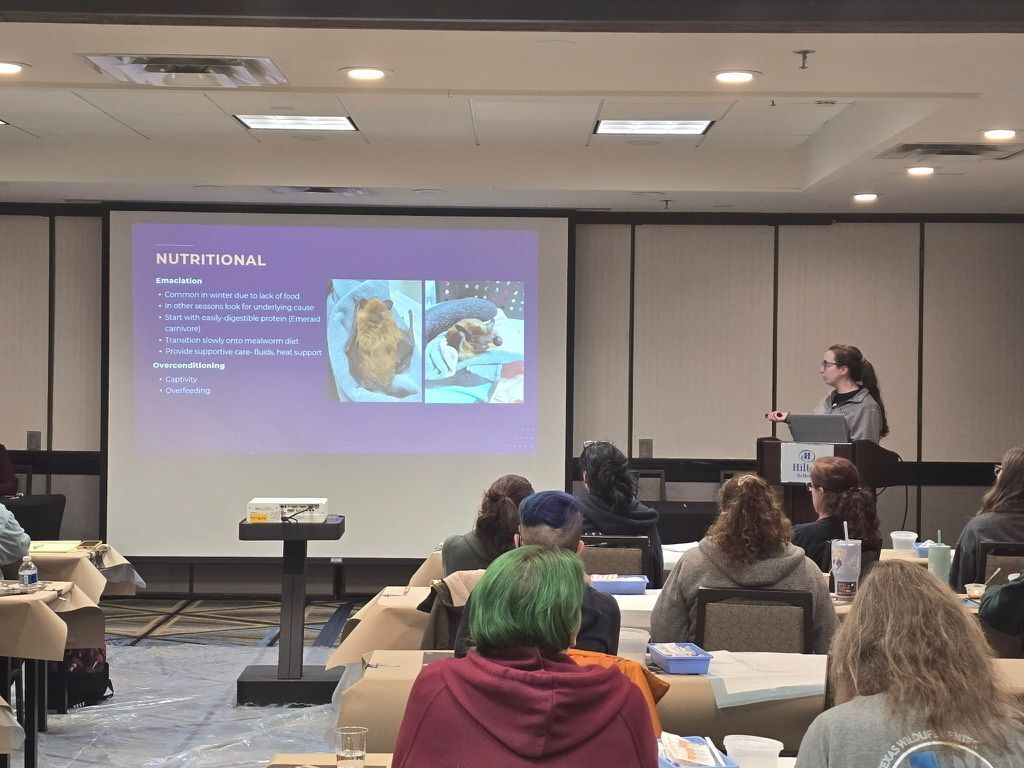
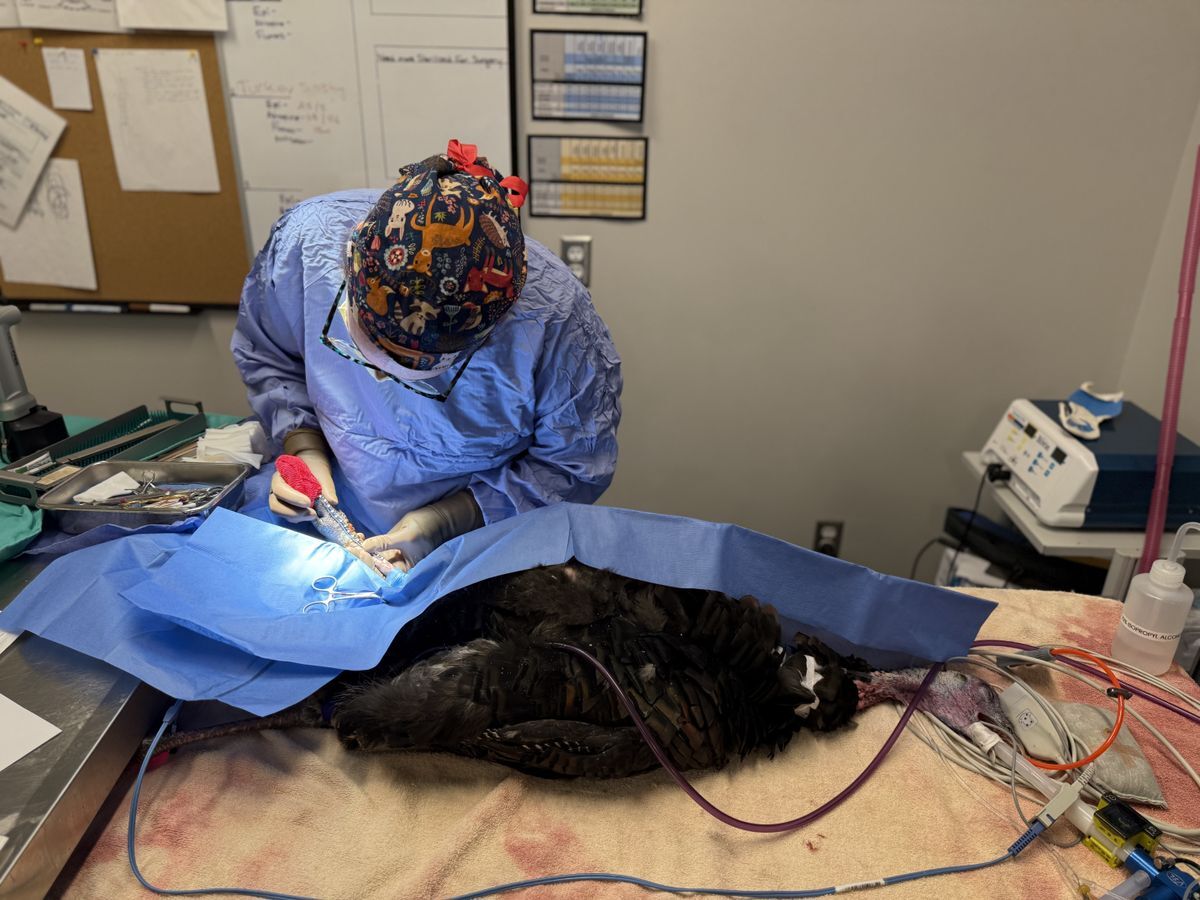
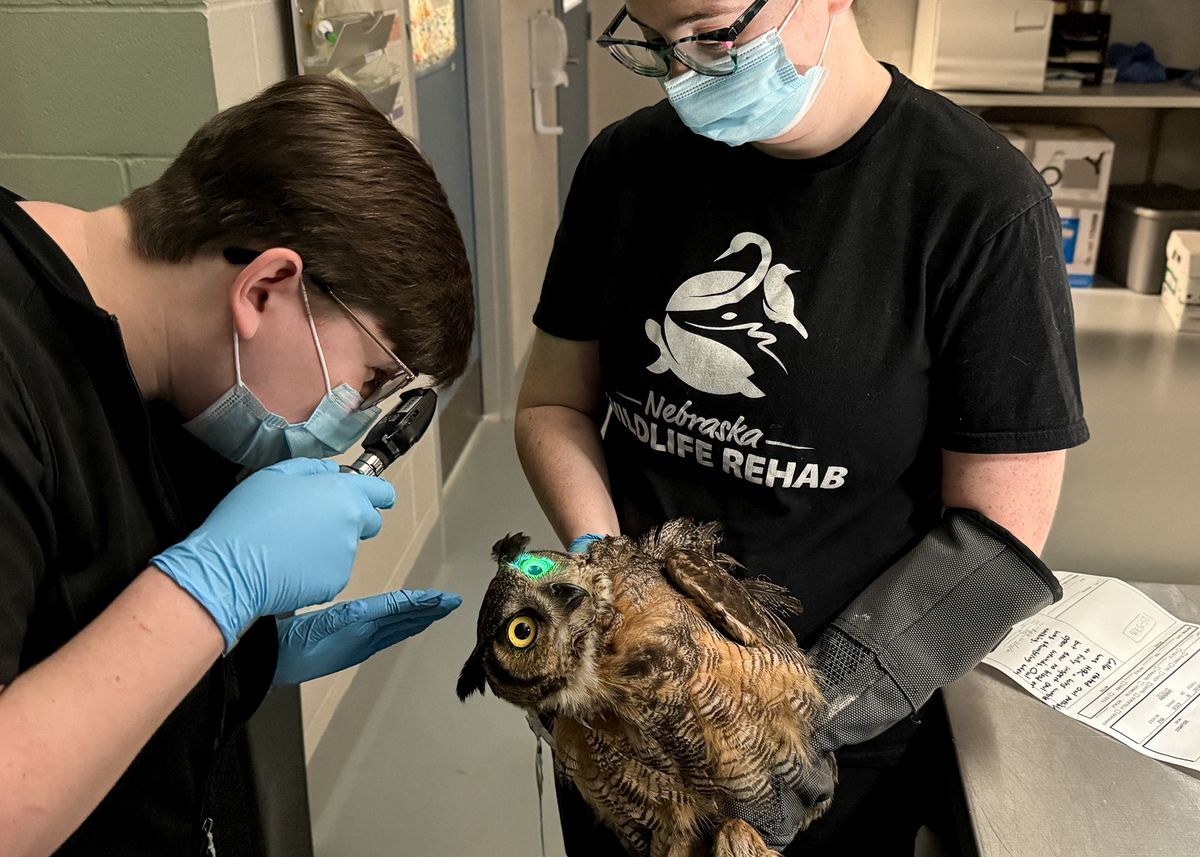
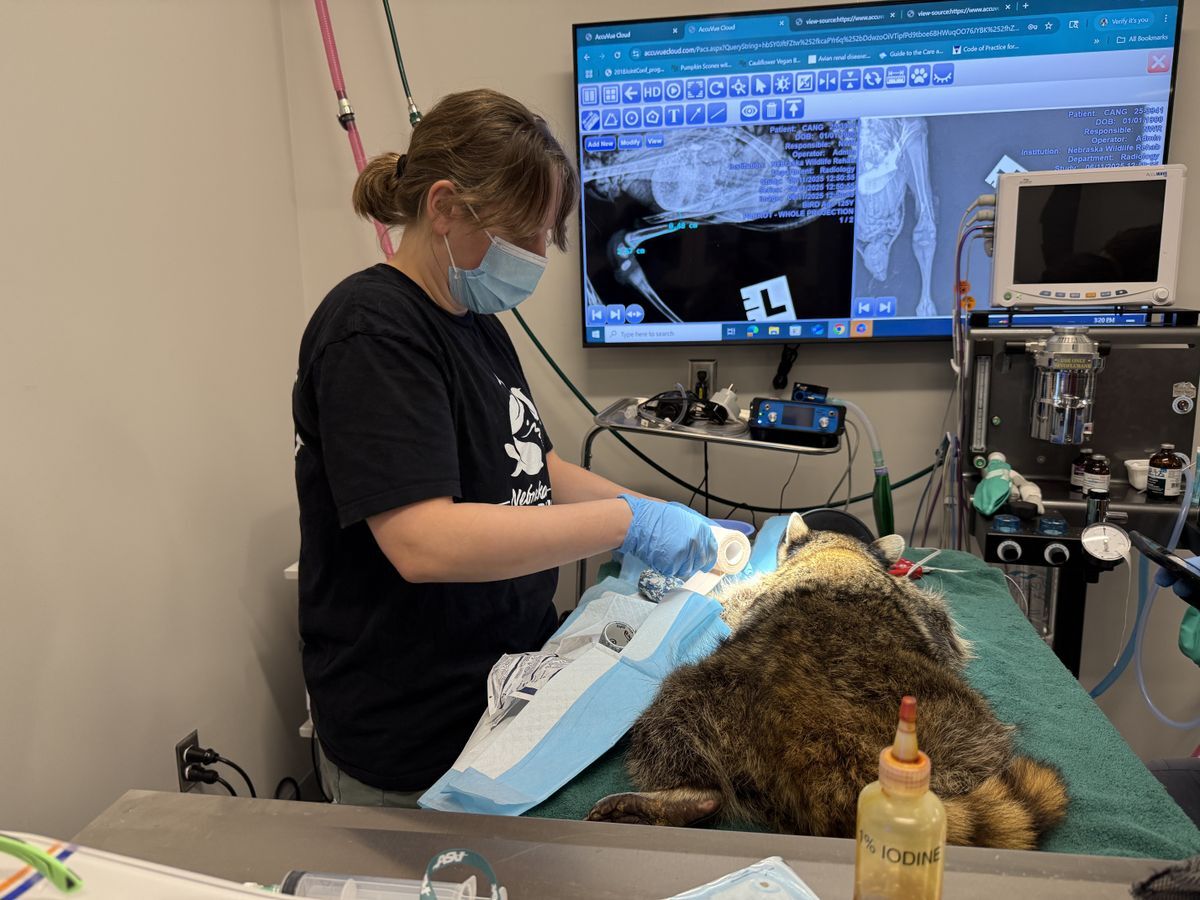
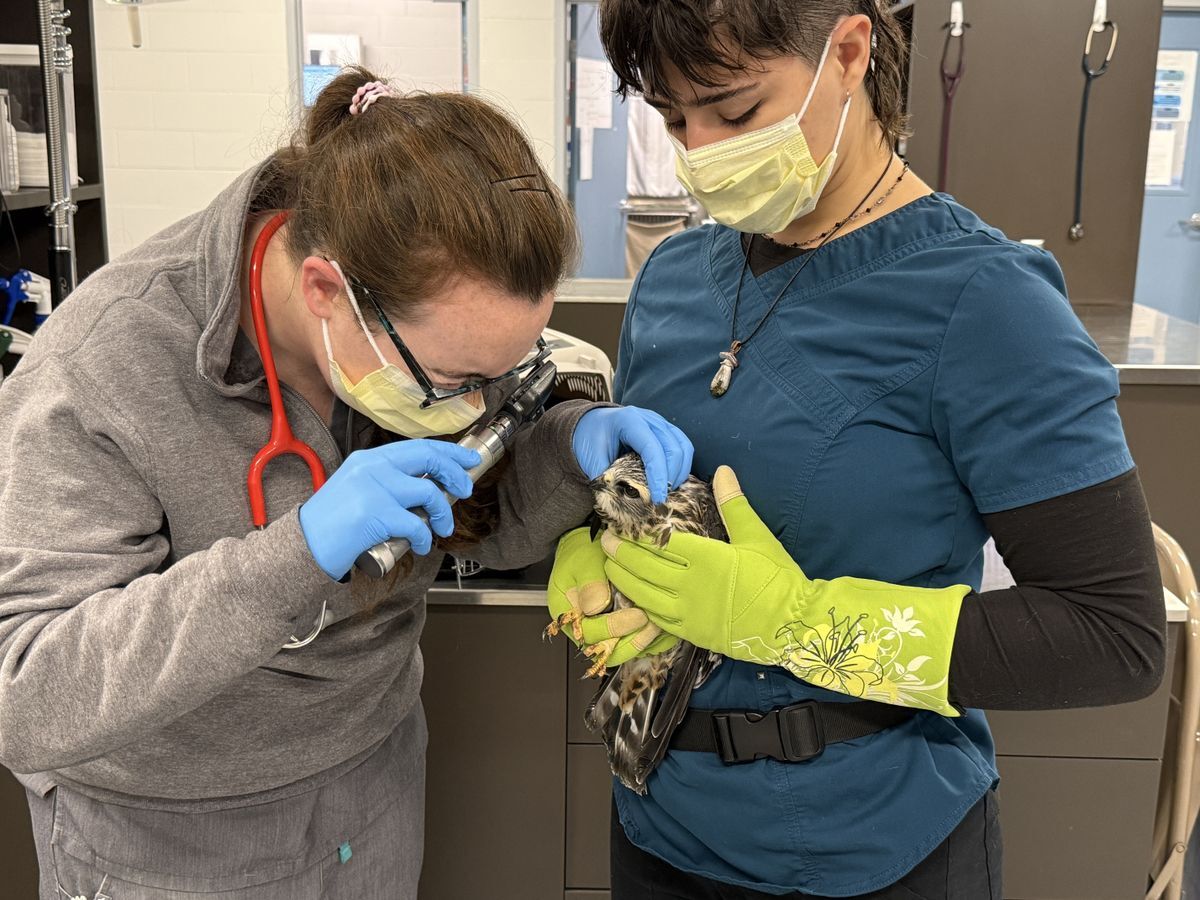
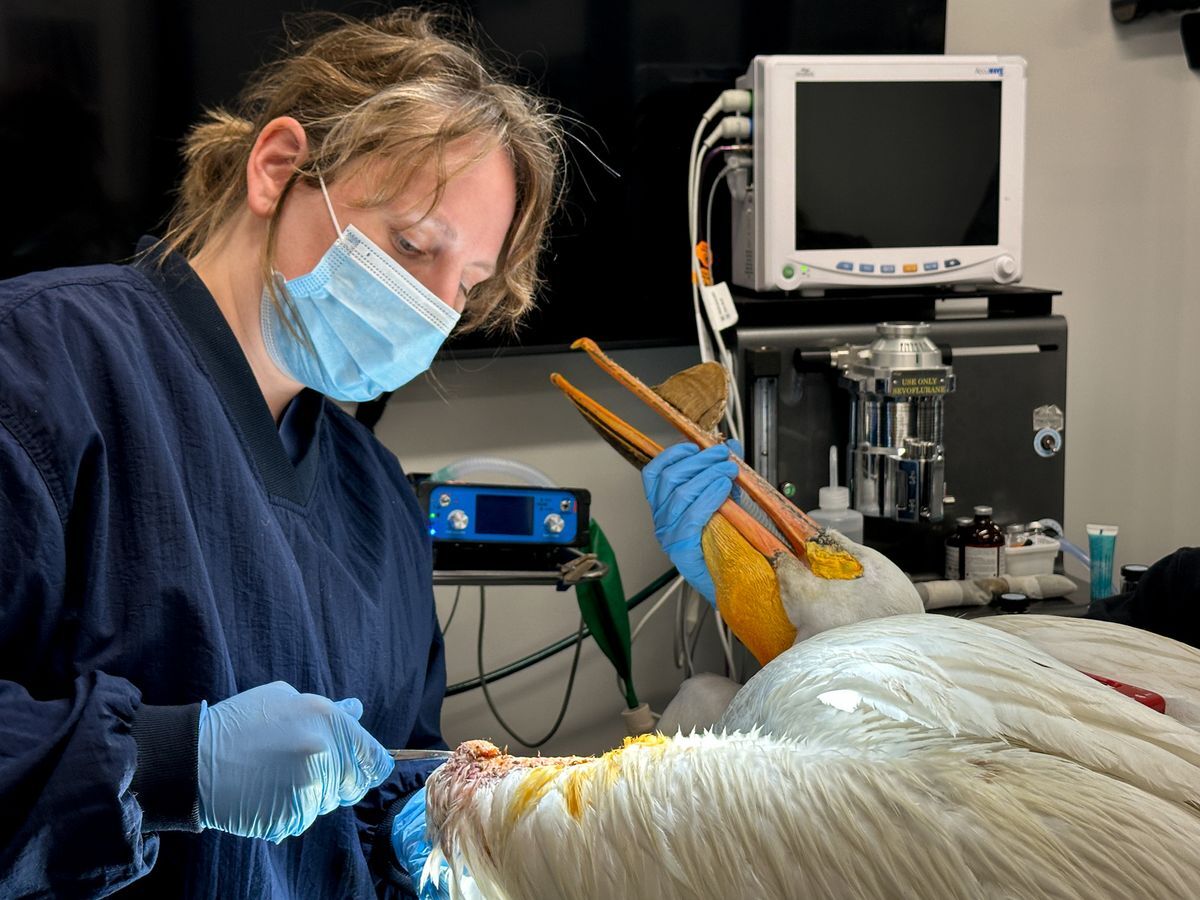
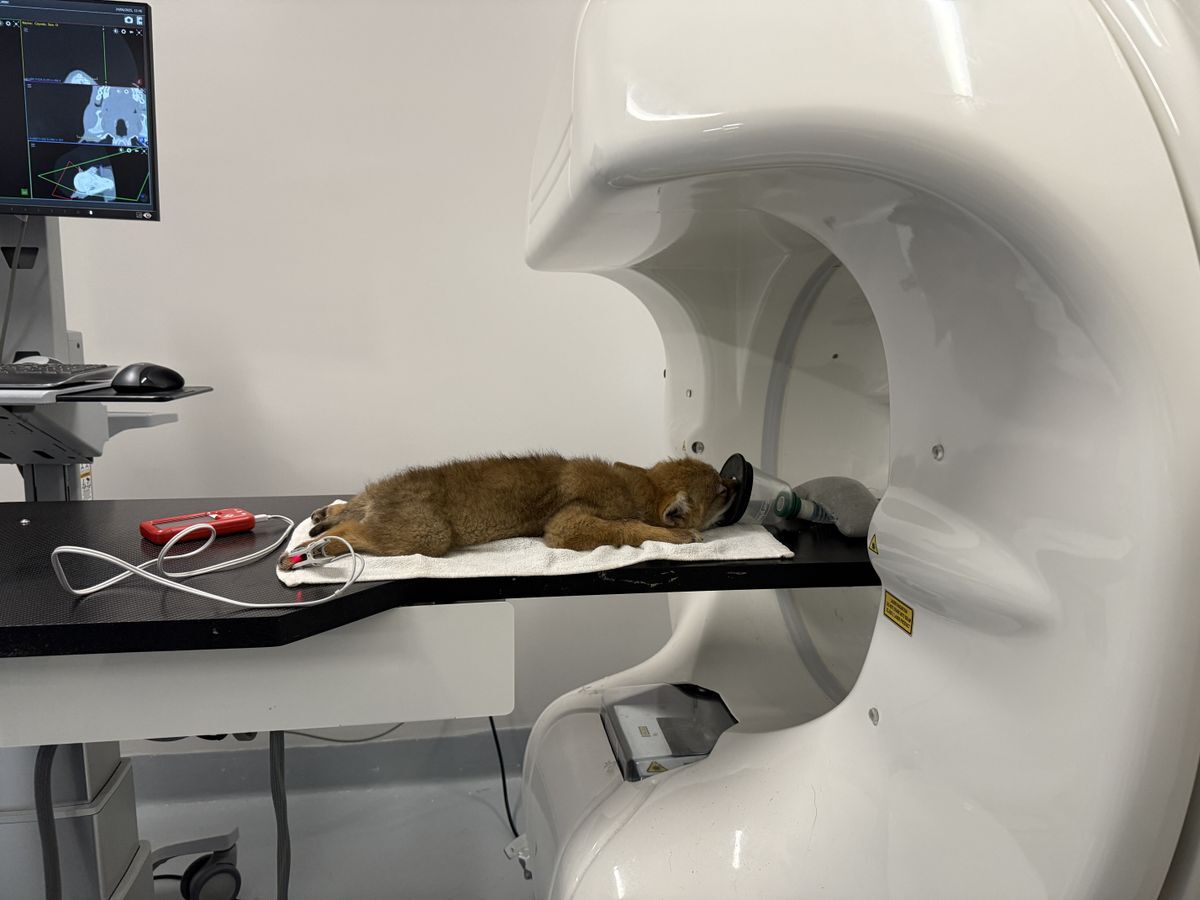
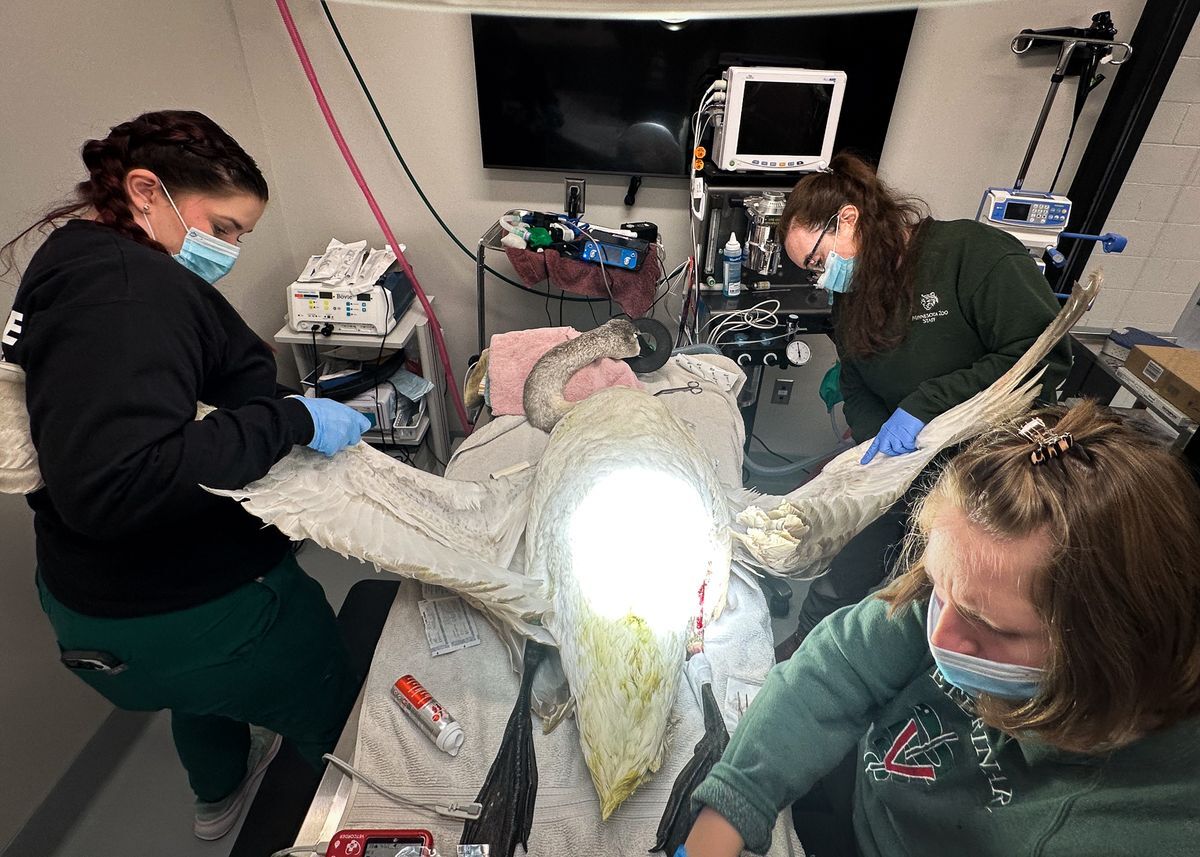

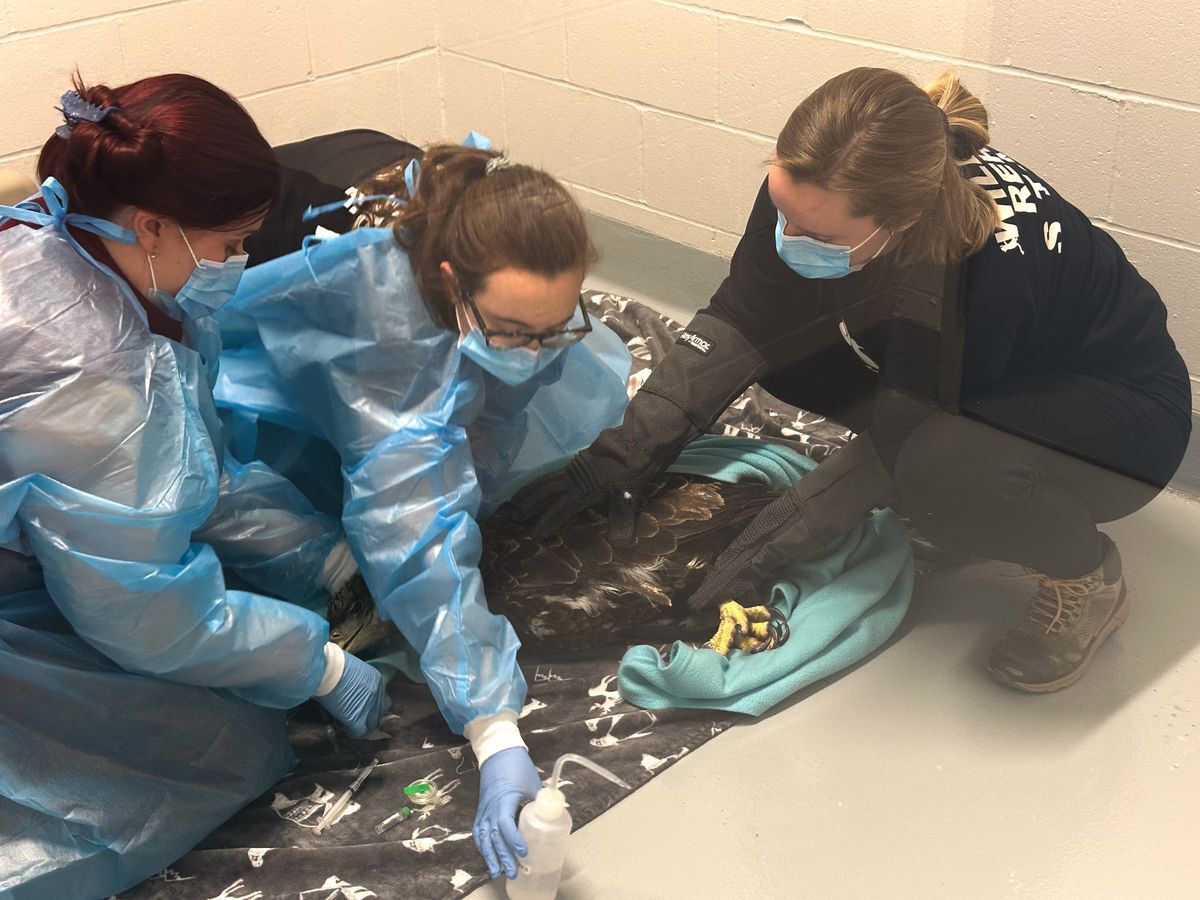
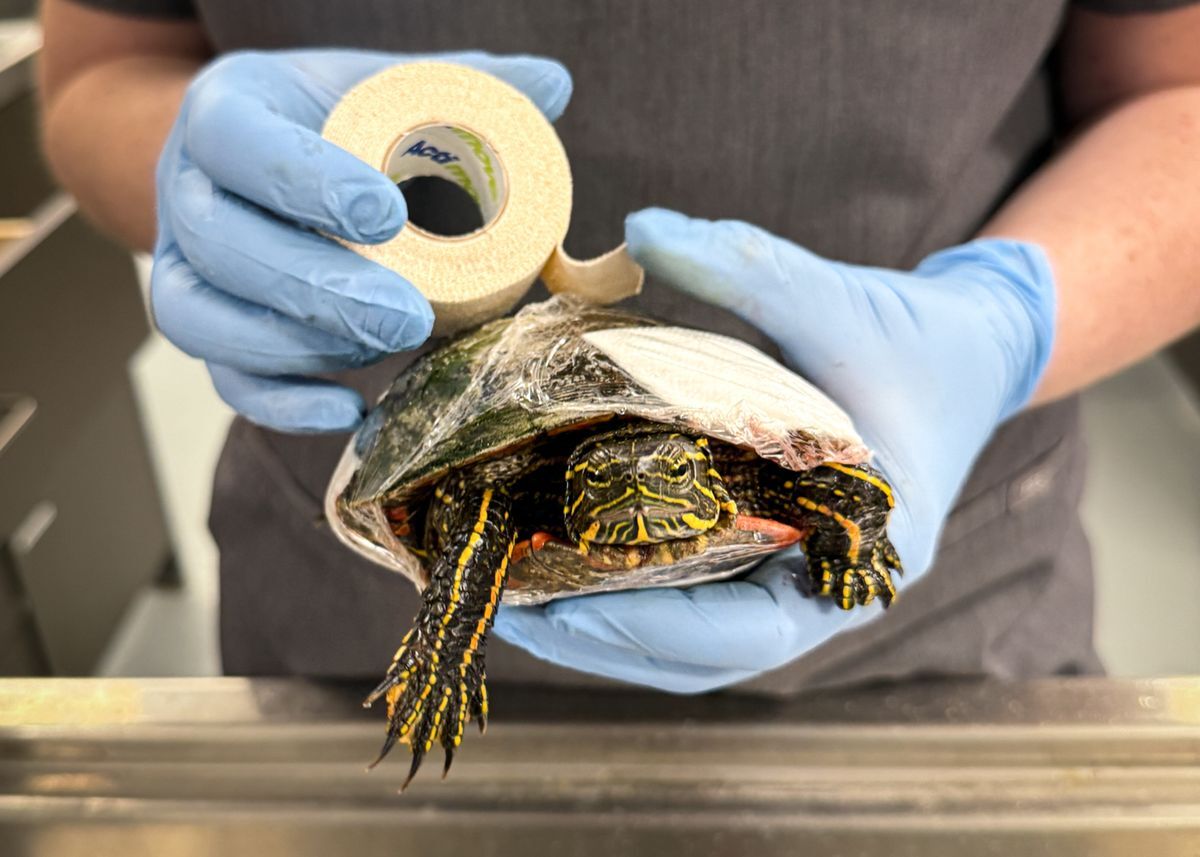
NWR is one of the largest wildlife rehabilitation facilities in the country. With a state-of-the-art veterinary clinic and comprehensive education programming, our wildlife center not only provides lifesaving treatment to orphaned and injured animals but also supports research and hands-on learning opportunities for aspiring wildlife professionals. This year we welcomed veterinary interns and externs from around the U.S. and abroad, providing essential hands-on experience that prepares them for careers in wildlife and veterinary medicine, and access to diagnostic tools like CT, radiography, and in-house bloodwork. All of this adds up to one thing: moving wildlife medicine forward. By combining advanced tools, hands-on training, and a whole lot of dedication, NWR is helping care for our native wildlife while equipping the next generation to do even more in the future.
Bobcat Kittens Released Back to Wild
These two female bobcat kittens arrived at the Baldwin Wildlife Center several weeks apart - each alone, each orphaned, and each too young to survive without supportive care. Both required round-the-clock care, specialized diets, and months of quiet rehabilitation designed to keep them wild while giving them the best chance at survival.
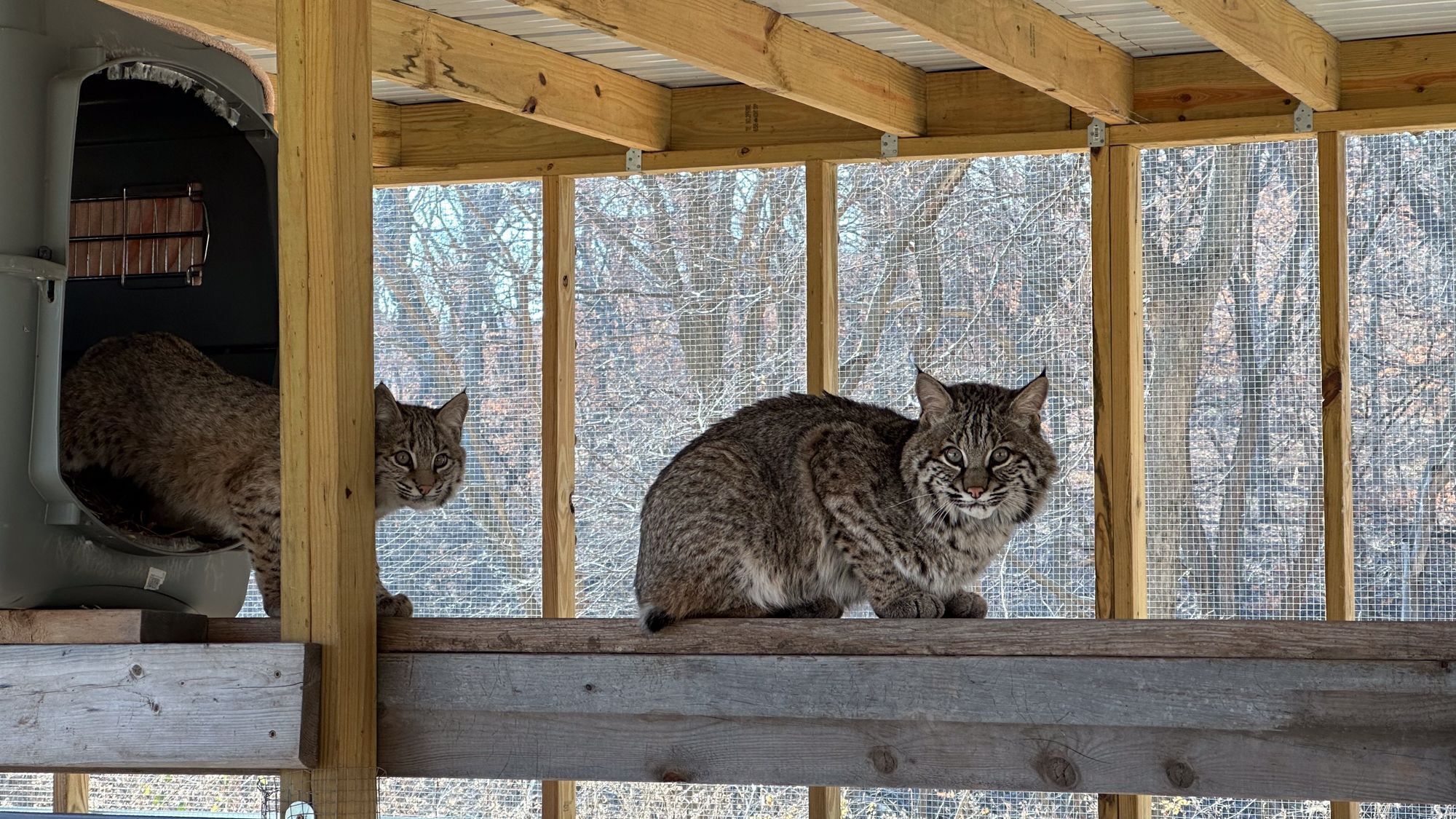
Found in separate parts of the state and admitted under different circumstances, their paths seemed unlikely to cross. With time they both grew bigger and stronger alongside one another in separate enclosures, and in the winter our staff took steps to combine them for winter. The careful introduction paid off and the two quickly became close pals, forming a bond that helped them continue to develop natural behaviors and confidence as they matured.
This summer, it was time for these strong, independent ladies to live out the rest of their lives in the wild. After nearly a year of rehabilitation, they were soft released back into suitable & safe habitat, carrying with them not only the skills needed to survive, but the success story of two orphans who found a second chance at life. Watch them soak up their last days of the easy life in the video above!
Rare Species Make Surprise Stops at NWR
Several new species made an appearance at NWR this year - some having ventured far beyond their native range. In late September, we admitted the first big free-tailed bat ever documented in Nebraska, a species that typically resides in the southwestern US and Mexico. Later that week, we also admitted our first western small-footed myotis, a bat species that is rarely recorded in the eastern region of our state. Both rescued from precarious situations, they were individually the smallest and largest bat species in our care for 2025!
A little over a month later, we welcomed yet another waywandering desert-dweller into our care: our first ever Costas hummingbird (and the fourth ever documented in Nebraska). This tiny traveler made a pitstop in a local woman’s backyard garden in Lincoln during his migration and lingered too long to make a safe flight. When it became clear he would not survive our harsh midwestern winter, he was safely captured and brought to NWR for care.
In the weeks that followed, NWR Executive Director, Laura Stastny would transport both of our southwestern visitors safely to their home territory, making a 3,300-mile journey with a 2 ½ gram hummingbird and a big free-tailed bat in her passenger seat.
Hummingbird Photos Courtesy of Kirill Belaschenko and Dina Barta
Beaver Graduates to Outdoors
Our North American beaver kit arrived as an orphan in 2024 after being found alongside her fatally injured mother. At the time of her rescue, her umbilical cord was still attached. In the wild, beaver kits typically remain with their family for nearly two years, learning essential survival skills such as foraging, dam maintenance, and everything else it takes to “beaver” in the wild. Replicating this extended developmental period in care is a crucial aspect of rehabilitating young beavers, so when she arrived we knew we were in it for the long haul.
After months of steady growth and behavioral development, this young beaver reached an important milestone this fall, graduating from indoor care to a spacious outdoor release enclosure where she can continue to hone her skills and adapt to the elements. While beavers are among the most labor-intensive species to rehabilitate, the time and effort invested are well worth it. We can’t wait to see our girl swimming free in spring, 2026!